Silk-cotton tree(Cochlospermum religiosum)

Silk-cotton tree (Cochlospermum religiosum)

Also known as: Katira

Cochlospermum religiosum, also known as the Buttercup tree, Yellow silk cotton tree, or Golden trumpet tree, is a flowering plant native to Southeast Asia and the Indian Subcontinent. It typically thrives in dry deciduous forests and can reach up to 25 feet in height. The tree’s name, "religiosum," reflects its significance in religious rituals, where its vibrant yellow flowers are commonly used as temple offerings. Additionally, the tree is known as the Silk Cotton tree due to the fluffy, cotton-like substance found in its seed capsules, similar to kapok. In Theravada Buddhism, it is revered as the tree under which the nineteenth Lord Buddha, Siddhaththa, attained enlightenment. Locally, it is referred to as "Kinihiriyaa" in Sinhala and "Kanikaara" in Sanskrit.

Attributes of Silk-cotton tree

Lifespan
Perennial
Plant Type
Tree
Plant Height
8 m
Spread
3-5 meters
Leaf Color
Green
Flower Size
10 cm
Flower Color
Yellow

ForwardPlant - Identify plants with a snap

Identify and diagnose plants, get toxicity alerts, and explore safety guides for all types of fungi.

Try for Free

Images of Silk-cotton tree

Silk-cotton tree(Cochlospermum religiosum)

Quickly Identify Silk-cotton tree

1
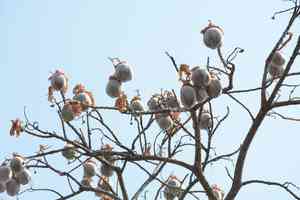
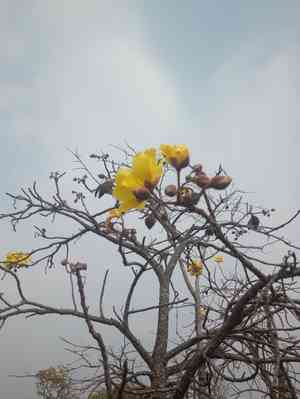
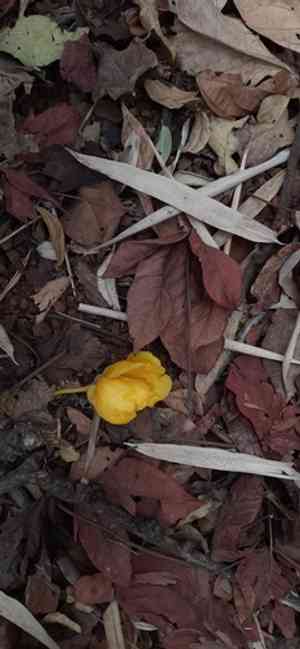
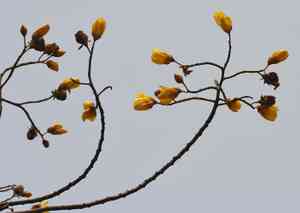
Cochlospermum religiosum can be identified by its brilliant yellow flowers, which are about 8-10 cm in diameter, and its broad, palmate leaves. The bark is smooth and grayish, and the fruit is a capsule containing numerous seeds.

Scientific Classification of Silk-cotton tree

Phylum
Vascular plants
Class
Dicotyledons
Order
Malvales
Family
Achiote
Genus
Cochlospermum
Species
Silk-cotton tree

Planting and Growing of Silk-cotton tree

Care Difficulty
Easy
Watering Schedule
Every 2 days
Sunlight Requirements
Full sun
Sunshine Duration
4-8 hours
Ideal Temperature
68-86℉
Soil Type
Potting Mix, Peat Mix
Soil pH
6.5-7.5
Fertilizer Type
Balanced
Pruning Season
Spring, Summer
Pruning Area
Branches, Leaves
Pruning Frequency
2 times a year
Repotting Season
Spring
Pot Type
Plastic, Ceramic

water icon How to Water Silk-cotton tree?

Cochlospermum religiosum thrives with modest watering. Ensure the soil is moist but not waterlogged. A key principle is to provide enough water to reach down to the roots without saturating the soil. A good way is to allow the top inch of soil to dry out before watering again.
What are the symptoms of an underwatered Silk-cotton tree?
What should I do if my Silk-cotton tree is not getting enough water?
What are the symptoms of an overwatered Silk-cotton tree?
How to save an overwatered Silk-cotton tree?

sunlight icon What Are the Sunlight Requirements for Silk-cotton tree?

Sunlight Requirements: Full sun, Partial sun
Duration of light: 6 to 8 hours
Cochlospermum religiosum thrives best in full sun with some partial shade during extreme midday heat. This light condition supports prolific flowering and minimizes the risk of sunburn.
What is the ideal amount of sunlight for Cochlospermum religiosum?
How can Cochlospermum religiosum achieve optimal light conditions?
What are the benefits of proper lighting for Cochlospermum religiosum?
More About Sunlight Requirements Techniques

temperature icon What Is the Ideal Temperature Range for Silk-cotton tree?

Ideal Temperature: 68 ~ 86℉
Cochlospermum religiosum thrives best in warm environments. The ideal temperature range for its optimal growth is between 68°F and 86°F. This range promotes healthy leaf development and vibrant flowering, simulating its natural tropical habitat. In these conditions, the plant exhibits enhanced photosynthesis and nutrient uptake.

soil icon What Soil is Best for Silk-cotton tree?

Soil type: Loam, Sandy loam
Soil PH: 6.5 ~ 7.5
Cochlospermum religiosum thrives best in well-draining soil, as it prevents waterlogging which can be detrimental to root health. Ensuring that the soil drains well will help avoid root rot and promote better nutrient uptake. This plant benefits from nutrient-rich soil, providing essential minerals for growth and vibrant flowering. Choosing a loamy soil that is rich in organic matter nurtures the plant and enhances its resilience to environmental stress. Despite its need for well-draining soil, maintaining moderate moisture levels is crucial. Regular watering that keeps the soil slightly moist without saturating helps in sustaining the plant's health and flowering capabilities.

fertilize icon How to Fertilize Silk-cotton tree?

Fertilizer type: Balanced
Cochlospermum religiosum thrives with a balance of nutrients. For liquid fertilizers, use a diluted solution, typically 1/4 of the recommended strength to avoid overwhelming the plant. When using slow-release fertilizers, a small handful per plant is usually adequate, ensuring the nutrients are not aggressively concentrated.

prune icon How to Prune Silk-cotton tree?

Pruning Time: Spring, Summer
While pruning is beneficial, overdoing it can stress Cochlospermum religiosum and inhibit its flowering. Strive to never remove more than a quarter of the plant’s total foliage at once, as this ensures the plant retains enough leaves to photosynthesize effectively. To minimize the risk of spreading diseases, always sanitize your pruning tools before use. A simple wipe with alcohol or a bleach solution can prevent unwanted pathogens from infecting your plant. Cochlospermum religiosum can exude a sticky sap when cut, which might attract ants or other insects. If this becomes an issue, consider pruning in cooler months when sap flow is slower, and regularly check for pest issues post-pruning. More About Pruning Techniques

propagate icon How to Propagate Silk-cotton tree plant?

Propagate Time: Spring, Early summer
1
To propagate by seeds, gather ripe seeds from pods in late summer. Ensure they are completely dry before storage. Store them in a cool, dry place until ready to plant. Properly stored seeds can remain viable for several months.
2
Select healthy stems in the early summer for cutting propagation. Use sterilized pruning shears to take cuttings about 6 inches long. Remove any leaves from lower sections to reduce moisture loss and encourage root formation.
3
Plant seeds or cuttings in well-draining soil in a pot or seed tray. Water lightly but regularly, ensuring moisture without waterlogging. Maintain humidity by covering trays with plastic wrap if necessary until seedlings or roots establish.

repot icon How to Repot Silk-cotton tree plant?

Repotting frequency: Every 2-3 years
1
Cochlospermum religiosum signals its need for repotting when its roots start to outgrow the pot, peeking out from drainage holes or circling the pot's surface. Another sign is if the plant becomes top-heavy or shows stagnation in growth even with adequate care. Spring or early summer, during its active growth phase, is the ideal time to repot, allowing the plant to quickly establish in its new environment.
2
Select a pot slightly larger in diameter than the current one—about 1-2 inches wider. Opt for a pot with good drainage to prevent waterlogging, which can lead to root rot. A clay or ceramic pot is beneficial as it provides stability to balance the plant's top-heavy nature while allowing air exchange to the roots.
3
A well-draining loamy mix is optimal for Cochlospermum religiosum, combining garden loam, coarse sand, and perlite. This mix offers balanced nutrition, promotes root aeration, and prevents compaction, sustaining the plant's vigor and encouraging a strong root system. The adaptability of this soil mix aligns with the plant's natural preferences, thriving in similar conditions in its native habitats.

ForwardPlant - Identify plants with a snap

Find the best spots for them to optimize their health, simply using your phone.

Try for Free