The Florida silver palm Plant Advantage: Maximizing Home and Office Appeal and Wellness
1
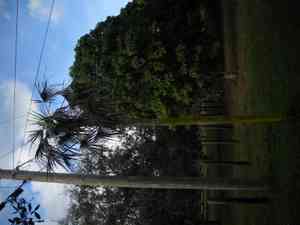
The Florida silver palm flourishes in sandy substrates, making it an ideal choice for seaside regions.
2
This plant is recognized for its impressive silvery leaves, enhancing the visual appeal of any outdoor space.
3
The Florida silver palm provides a home for diverse animal life and contributes to ecological variety.
Why is Florida silver palm Ideal for Coastal Planting?
Adaptability to Sandy Soils
The Florida silver palm is exceptionally well-suited for seaside planting due to its remarkable ability to thrive in sandy substrates. This characteristic makes it an outstanding option for locations where other flora might struggle. Its root system effectively binds with sand particles, thereby preventing soil erosionâa frequent problem in coastal zones. Furthermore, it can endure salt spray, another common challenge for shoreline vegetation.
Drought Resistance
A prominent characteristic of the Florida silver palm is its resilience to drought. Unlike numerous other plants that demand consistent irrigation to survive, this palm can withstand extended periods of aridity. This is a vital benefit for coastal areas, which often experience inconsistent rainfall. With its deep root system, the Florida silver palm accesses subterranean water reserves, ensuring its survival during dry spells.
How Does Florida silver palm Enhance Landscaping?
Aesthetic Appeal
The Florida silver palm is renowned for its striking silver-toned foliage, which imparts a distinctive visual charm to any landscape. Its silvery leaves capture and reflect light, creating a shimmering effect that can elevate the visual interest of gardens and parks. This plant can serve as a focal point or complement other greenery, making it a versatile addition to any landscaping endeavor.
Versatility in Design
The Florida silver palm offers remarkable adaptability in garden design. Whether utilized as a solitary feature or as part of a mixed planting scheme, it can conform to various landscape stylesâfrom tropical to minimalist. Its compact growth habit renders it suitable for both small urban gardens and expansive rural properties. Additionally, the plant's minimal maintenance needs make it an appealing choice for those aiming to create beautiful, effortless outdoor areas.
What Are the Ecological Benefits of Florida silver palm?
Supporting Biodiversity
The Florida silver palm plays a vital role in fostering local biodiversity. Its foliage and fibrous root structure offer refuge and nesting sites for a variety of wildlife, including birds, insects, and small mammals. The plantâs blossoms also provide nectar for pollinators such as bees and butterflies, contributing to the health of the local ecosystem.
Soil Stabilization
The Florida silver palm is a natural ally in efforts to stabilize soil. Its extensive root system helps to anchor the ground, preventing erosion and promoting soil vitality. This is particularly advantageous in areas prone to soil degradation, such as coastal dunes and sandy inland regions. By stabilizing the soil, the Florida silver palm helps maintain the integrity of the landscape and protects other plant species reliant on stable ground conditions.
How Can Florida silver palm Be Incorporated into Urban Settings?
Green Infrastructure
Urban planners and architects are increasingly recognizing the value of integrating the Florida silver palm into green infrastructure projects. Its robust nature and striking appearance make it an excellent choice for urban parks, street medians, and public gardens. By incorporating the Florida silver palm into urban spaces, cities can enhance their green coverage, mitigate the urban heat island effect, and improve air quality.
Community Gardens
The Florida silver palm is also an excellent addition to community gardens. Its low maintenance requirements and ability to thrive in less-than-ideal soil conditions make it suitable for communal gardening efforts, where diverse plant species can coexist. Furthermore, the presence of the Florida silver palm in community gardens can provide educational opportunities, teaching residents about plant diversity, ecosystem health, and sustainable gardening practices.



