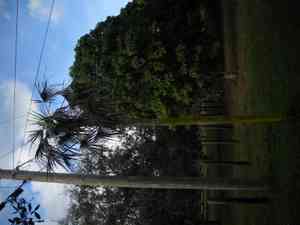
Florida silver palm (Coccothrinax argentata)
Also known as: Silver palm
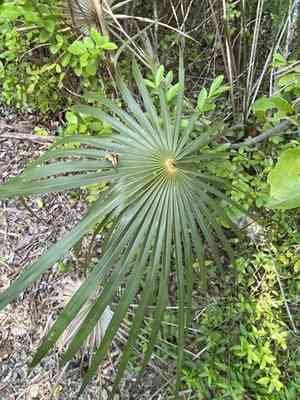
The fan palm you're referring to is a small species, typically reaching heights of 2 to 6 meters. It has distinctive leaves that are dark blue-green on the upper side and silver underneath. According to data from Fairchild Tropical Garden, this palm has an average annual growth rate of about 12 cm. Additionally, it produces small white flowers on light orange branches, and its fruits are round, measuring about half an inch in diameter.
In This Article
Attributes of Florida silver palm
Lifespan
Perennial
Plant Type
Tree, Shrub
Plant Height
1.8 m to 4.5 m
Spread
1.8 m to 2 m
Leaf Color
Green
Flower Size
Small (less than 1 cm)
Flower Color
White
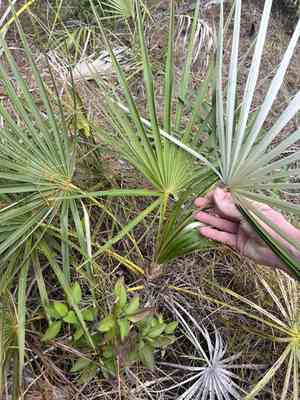
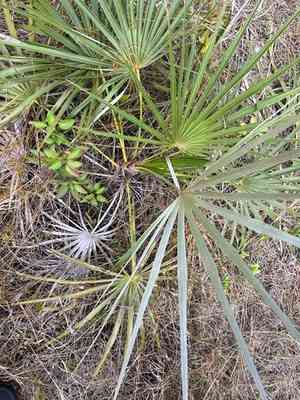
Images of Florida silver palm
Quickly Identify Florida silver palm
1
Identify Coccothrinax argentata by its distinct silvery underside of the fan-shaped leaves, slender trunk, and fibrous leaf bases that clothe the trunk.
Scientific Classification of Florida silver palm
Phylum
Vascular plants
Class
Monocotyledons
Order
Arecales
Family
Palm
Genus
Silver palms
Species
Florida silver palm
Planting and Growing of Florida silver palm
Care Difficulty
Easy
Watering Schedule
Every 3 days
Sunlight Requirements
Full sun
Sunshine Duration
4-6 hours
Ideal Temperature
70-85℉
Soil Type
Potting Mix, Peat Mix
Soil pH
6.5-7.5
Fertilizer Type
Balanced
Pruning Season
Spring, Summer
Pruning Area
Branches, Leaves
Pruning Frequency
2 times a year
Repotting Season
Spring
Pot Type
Plastic, Ceramic
 How to Water Florida silver palm?
Coccothrinax argentata prefers a balance between dry and moist conditions. Watering until the soil is evenly moist about an inch below the surface is ideal. The goal is to mimic the natural tropical climate, ensuring that the plant doesn’t stay overly wet for any extended period.
What are the symptoms of an underwatered Florida silver palm?
›
What should I do if my Florida silver palm is not getting enough water?
›
What are the symptoms of an overwatered Florida silver palm?
›
How to save an overwatered Florida silver palm?
›
 What Are the Sunlight Requirements for Florida silver palm?
Coccothrinax argentata thrives in full to partial sun; this balance promotes optimal growth, ensuring strong, vibrant foliage and plant vitality.
More About Sunlight Requirements Techniques→
How much sunlight do Coccothrinax argentata need?
›
What are some solutions to achieving ideal light?
›
What are the benefits of ideal lighting for Coccothrinax argentata?
›
 What Is the Ideal Temperature Range for Florida silver palm?
The ideal temperature for Coccothrinax argentata, ranging between 70°F and 85°F, provides an optimal environment for metabolic processes such as photosynthesis and respiration. Within this range, the plant can efficiently manage its energy, contributing to vibrant growth and resilience against pests and diseases.
 What Soil is Best for Florida silver palm?
Coccothrinax argentata thrives in well-drained soil that prevents waterlogging. This type of soil helps avoid root rot, promoting healthy growth and longevity for this palm species. Having a nutrient-rich soil ensures that the palm receives essential minerals and elements. Such soil properties support robust growth and enhance the plant's resilience against environmental stressors. A soil that maintains moderate moisture, without becoming too dry or too wet, supports optimal palm growth. This balance aids the plant in withstanding drought conditions effectively.
 How to Fertilize Florida silver palm?
The silver palm, Coccothrinax argentata, benefits from a balanced fertilization routine. Use a balanced liquid fertilizer at half the recommended strength for houseplants to avoid nutrient burn. A small amount goes a long way; typically, 1 tablespoon per gallon of water.
 How to Prune Florida silver palm?
Look for fronds that appear brown or damaged. Gently cut them back to the trunk as these no longer contribute to the plant's health and may harbor pests. If you notice fronds growing densely and restricting airflow, trim some of these back. This enhances light access and air circulation, promoting vigorous growth of Coccothrinax argentata.
More About Pruning Techniques→
 How to Propagate Florida silver palm plant?
1
Before planting, Coccothrinax argentata seeds should be soaked in lukewarm water for 24 hours. This process helps to soften the seed coat, which can accelerate germination by allowing the seed to absorb water more readily.
2
Plant the softened seeds in a pot or tray filled with a well-draining potting mix. It's vital to plant them about 1 inch deep and space them evenly to ensure adequate room for growth. Cover the seeds lightly with soil and mist the surface to settle the soil and provide initial moisture.
3
Place the seeded pots or trays in a location with plenty of indirect sunlight. Keeping the soil consistently moist, but not waterlogged, is crucial. A humidity dome or a plastic cover can help maintain the optimal moisture level and temperature conducive to germination, which should occur within 2-3 months.
 How to Repot Florida silver palm plant?
1
Coccothrinax argentata requires repotting when growth slows down or roots start to protrude from the drainage holes. Spring or summer is ideal because the plant is actively growing and can recover quickly.
2
Select a pot that is 1-2 inches larger in diameter than the current one. This will give roots ample room to spread, promoting healthy growth while preventing waterlogging. Ensure the pot has sufficient drainage holes to avoid root rot.
3
Opt for a well-draining sandy soil mix to mimic the palm's natural habitat. The soil should allow excess water to escape while retaining just enough moisture for the plant. This prevents root rot and encourages strong root development.



