The Scarlet leather flower Plant Advantage: Maximizing Home and Office Appeal and Wellness
1
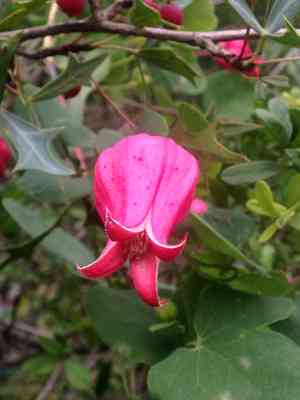
The scarlet leather flower is prized by gardeners for its brilliant red blooms.
2
It draws in pollinators, which makes it beneficial for ecological diversity.
3
This plant adapts well to different soil conditions, offering versatility to cultivators.
Why Scarlet Leather Flower is a Garden Essential
Lures Pollinators
A key attribute of the Scarlet leather flower is its capacity to draw in pollinators like bees, butterflies, and hummingbirds. Its vivid scarlet blooms are not only pleasing to people but also highly appealing to these crucial creatures. Including Scarlet leather flower in your garden can help sustain local pollinator populations, which are vital for the ecosystem by assisting in the pollination of various plants. This, in turn, can help other plants in your garden flourish.
Visual Appeal
The striking red blossoms of Scarlet leather flower can serve as a focal point in any garden layout. Whether you opt to cultivate it along trellises, arbors, or fences, it introduces a burst of color that can enhance the overall beauty of your outdoor area. The plant's vigorous climbing nature makes it an excellent choice for concealing unattractive structures or forming a living screen. Furthermore, its ability to produce flowers from late spring through early autumn ensures a prolonged visual impact.
Cultivating and Caring for Scarlet Leather Flower
Soil and Planting Needs
Scarlet leather flower is quite adaptable regarding soil types, though it thrives best in well-drained, moderately fertile soil. Prior to planting, it's advisable to enrich the soil with organic matter to supply essential nutrients. Ensure the planting location receives ample sunlight, as this plant flourishes in full sun to partial shade. Planting should ideally occur in the spring after the risk of frost has passed.
Watering and Feeding
Appropriate watering is crucial for the healthy development of Scarlet leather flower. While the plant is relatively drought-tolerant once established, it benefits from consistent watering during dry periods, especially in its initial growing season. Applying mulch around the base can help retain soil moisture and keep the roots cool. For fertilization, a balanced, slow-release fertilizer applied in the spring can provide the nutrients needed for robust growth and abundant flowering.
Can Scarlet Leather Flower Boost Biodiversity?
Supports Local Wildlife
By attracting various pollinators, Scarlet leather flower indirectly supports local wildlife. Bees and butterflies that visit the plant can assist in pollinating other plants nearby, thereby enhancing biodiversity. The presence of these pollinators can draw in other wildlife such as birds and beneficial insects, creating a thriving mini-ecosystem within your garden. This can be particularly advantageous in urban areas where natural habitats are limited.
Environmentally Friendly Gardening
Incorporating Scarlet leather flower into your garden is an excellent step towards eco-friendly gardening. By minimizing the need for chemical pesticides and fertilizers, thanks to its natural resilience and pollinator-attracting qualities, you contribute to a healthier environment. Moreover, the plant's ability to adapt to various soil conditions reduces the need for soil amendments and irrigation, making it a low-maintenance option for sustainable gardening.
Why Select Scarlet Leather Flower for Your Outdoor Space?
Design Versatility in Gardens
Scarlet leather flower's adaptability makes it a valuable addition to various garden styles, from rustic cottage gardens to formal landscapes. Its climbing habit allows it to be trained on structures or grown as a ground cover. Whether you're looking to add vertical interest or fill in gaps between other plants, Scarlet leather flower offers numerous options for creative garden design.
Minimal Upkeep Requirements
Compared to many ornamental plants, Scarlet leather flower demands relatively little maintenance. Once established, it requires minimal intervention, making it an excellent choice for busy gardeners or those new to gardening. Pruning is only necessary to remove dead or damaged growth and to shape the plant as desired. Its natural resistance to pests and diseases further reduces the need for chemical interventions, allowing for more organic gardening practices.



