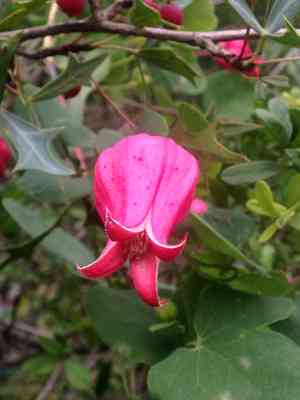
Scarlet leather flower (Clematis texensis)
Also known as: Texas clematis
The Texas clematis, also known as scarlet leather flower or scarlet clematis, is a woody vine belonging to the buttercup family. This hardy plant is native to the Edwards Plateau region in Texas. It exhibits excellent drought tolerance, thriving in its naturally arid, rocky habitat.
In This Article
Attributes of Scarlet leather flower
Lifespan
Perennial
Plant Type
Herb, Vine
Plant Height
1.8 m to 2.5 m
Spread
60 cm to 90 cm
Leaf Color
Green Gray Silver
Flower Size
2.5 cm to 8 cm
Flower Color
Red Pink Orange Purple
Images of Scarlet leather flower
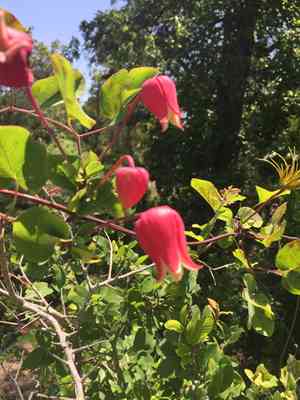
Quickly Identify Scarlet leather flower
1
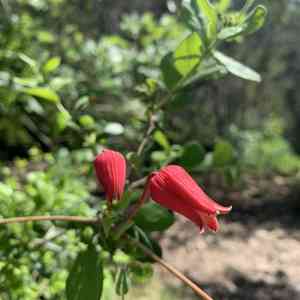
Vibrant tulip or bell-shaped flowers with thick, leather-like sepals in deep red to creamy hues.
2
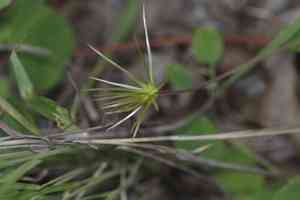
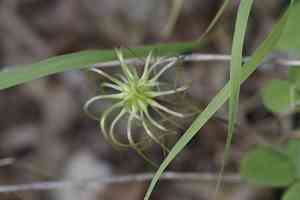
Dry achenes with elongated, silky-plumose tails aiding in wind dispersal for fruit propagation.
3
Twisted, ovate leaflets on grayish-green pinnate to bi-pinnate leaves measuring 2 1/2 inches.
4
Bare, woody stem up to 2 feet from the base, extending 9 feet with robust texture.
5
Woody, deciduous vine with twining growth, showcasing lush green foliage and radiant flowers.
Scientific Classification of Scarlet leather flower
Phylum
Vascular plants
Class
Dicotyledons
Order
Ranunculales
Family
Buttercup
Genus
Clematis
Species
Scarlet leather flower
Planting and Growing of Scarlet leather flower
Care Difficulty
Moderate
Watering Schedule
Every 4 days
Sunlight Requirements
Full sun
Sunshine Duration
6-10 hours
Ideal Temperature
60-75℉
Soil Type
Potting Mix, Peat Mix
Soil pH
6.5-7.5
Fertilizer Type
Balanced
Pruning Season
Spring, Summer
Pruning Area
Branches, Leaves
Pruning Frequency
2 times a year
Repotting Season
Spring
Pot Type
Plastic, Ceramic
 How to Water Scarlet leather flower?
When watering Clematis texensis, it's essential to provide approximately 500 milliliters each time. This amount ensures the soil is moistened deeply, reaching the roots without waterlogging. Check the top 2 inches of soil to be dry before reapplying water to prevent root rot.
What are the symptoms of an underwatered Scarlet leather flower?
›
What should I do if my Scarlet leather flower is not getting enough water?
›
What are the symptoms of an overwatered Scarlet leather flower?
›
How to save an overwatered Scarlet leather flower?
›
 What Are the Sunlight Requirements for Scarlet leather flower?
Clematis texensis prefers a full sun to partial sun light range. In an ideal lighting environment, it displays optimal growth patterns, abundant and vibrant flowers, and a stable plant structure, enhancing garden aesthetics.
More About Sunlight Requirements Techniques→
What is the best lighting condition?
›
How to achieve ideal sunlight exposure?
›
What are the benefits of ideal sunlight?
›
 What Is the Ideal Temperature Range for Scarlet leather flower?
Clematis texensis thrives best in a temperature range of 60°F to 75°F. This range supports optimal metabolic functions, leading to vigorous growth and abundant flowering. Maintaining consistent temperatures within this range helps in reducing stress and enhances resilience against pests and diseases.
 What Soil is Best for Scarlet leather flower?
Clematis texensis thrives in well-draining soil, which prevents root rot by allowing excess water to escape easily. This is crucial for maintaining healthy roots and promoting vigorous plant growth. A nutrient-rich soil composition ensures that Clematis texensis gets all the essential minerals it needs for robust flowering and growth. It helps in developing strong stems and a vibrant display of blooms. This plant benefits from soil that retains moderate moisture, balancing hydration needs without risking waterlogging. Consistent moisture levels support healthy function and lush foliage.
 How to Fertilize Scarlet leather flower?
For Clematis texensis, use a balanced, water-soluble fertilizer with a 10-10-10 NPK ratio. During active growing seasons, dilute the fertilizer to half strength and apply evenly around the base for optimal nutrient uptake.
 How to Prune Scarlet leather flower?
Start by cutting away any dead, damaged, or diseased stems back to a pair of healthy buds or to the base. Removing this unwanted growth allows more light and air to circulate, reducing the risk of pests and diseases. Identify healthy buds along the stems and make your pruning cuts just above these buds. This encourages vigorous new growth and prolific flowering. Aim to leave around 12-18 inches of the previous year's growth for the healthiest outcome. While pruning, consider the overall shape and structure you want for your clematis. Trim and train the stems to support structures or trellises to achieve an aesthetically pleasing and structured appearance.
More About Pruning Techniques→
 How to Propagate Scarlet leather flower plant?
1
Collect seeds from mature Clematis texensis flowers after they have dried out. Keep them in a dry and cool place until you are ready to plant them.
2
Take cuttings from healthy, non-flowering shoots in early summer. Ensure each cutting is around 10 cm long and remove the lower leaves before planting.
3
Select a low branch of the Clematis and gently bend it to the ground. Bury part of the stem in soil and secure it until it roots, which can take several months.
 How to Repot Scarlet leather flower plant?
1
Clematis texensis shows it's time for repotting when roots become visible through drainage holes or growth slows down despite adequate care. These are signals that it's outgrowing its current pot and needs more space.
2
Select a pot slightly larger than the current one with ample drainage holes. A well-chosen pot provides room for growth and prevents waterlogging, which can harm the plant.
3
Opt for a well-draining, fertile soil mix rich in organic matter. This choice supports healthy root development, ensuring the clematis absorbs essential nutrients while preventing root rot.
Toxicity
ingestion, skin contact
WARNING
The judgment on toxicity and danger is for reference only. We DO NOT GUARANTEE any accuracy of such judgment. Therefore, you SHALL NOT rely on such judgment. It is IMPORTANT TO SEEK PROFESSIONAL ADVICE in advance when necessary.
Learn More About Scarlet leather flower Diseases
Anthracnose
Bacterial Leaf Spot
Bacterial Wilt
Black Spot
Chemical Injury
Crown Gall
Damping-off
Downy Mildew
Drought Stress
Fusarium Wilt
Gray Mold
Leaf Curl
Leaf Spot
Mosaic
Nutrient Deficiency
Nutrient Toxicity
Powdery Mildew
Root Rot
Root-knot Nematode
Rusts
Sooty Mold
Spider Mites
Temperature Stress
Thrips Damage
White Mold



