The Pennsylvania bittercress Plant Advantage: Maximizing Home and Office Appeal and Wellness
1
Cardamine pensylvanica is recognized for its capacity to thrive in diverse settings.
2
This botanical specimen is consumable and frequently incorporated into different food preparations.
3
Cardamine pensylvanica contributes to local ecological diversity by offering a refuge for arthropods.
What Makes Pennsylvania Bittercress Unique?
Pennsylvania Bittercress's Adaptability to Various Environments
A notable characteristic of Pennsylvania bittercress is its versatility. This plant thrives in diverse settings, including wetlands, forests, and even urban areas. It flourishes in damp, shaded conditions but can also endure different levels of sunlight and soil types. This adaptability not only aids its survival in varied locations but also establishes it as a resilient species that can bolster local ecosystems.
Edibility and Culinary Applications
Pennsylvania bittercress is gaining traction in the culinary world due to its distinct taste profile. Its leaves, which possess a slightly bitter flavor, can be an excellent addition to salads, soups, and sandwiches. The seeds can be sprouted and incorporated into dishes for added crispness. This plant offers a nutritious option for foragers and those seeking to diversify their meals.
Ecological Significance of Pennsylvania Bittercress
Supporting Local Biodiversity
Pennsylvania bittercress plays a vital role in sustaining local biodiversity. Its presence across various habitats provides sustenance and shelter for insects, birds, and small mammals. This plant also contributes to the overall health of the ecosystem by enhancing soil quality and offering a home for beneficial microorganisms.
Assisting Pollination
The blossoms of Pennsylvania bittercress attract a range of pollinators, including bees and butterflies. This is particularly important for maintaining healthy pollinator populations, which are crucial for the reproduction of many plant species. By supplying nectar and pollen, Pennsylvania bittercress supports the life cycles of these essential insects.
How to Identify and Harvest Pennsylvania Bittercress?
Identification Pointers
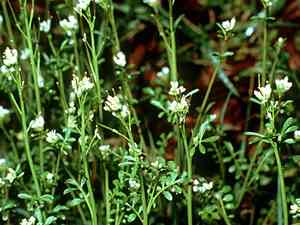
Identifying Pennsylvania bittercress can be straightforward if you know what to look for. This plant typically features pinnately compound leaves with small, white flowers arranged in clusters. The stems are often smooth and slightly reddish. Its growth habit can range from upright to somewhat sprawling, depending on its surroundings.
Sustainable Harvesting Methods
When gathering Pennsylvania bittercress, it is crucial to practice sustainability to ensure the plant's continued presence in its environment. Avoid removing the entire plant; instead, take only a few leaves or seeds from each. This approach allows the plant to keep growing and supports its ecological function.
How Does Pennsylvania Bittercress Benefit the Soil?
Improving Soil Structure
A lesser-known advantage of Pennsylvania bittercress is its capacity to enhance soil structure. Its roots help to break up compacted soil, facilitating better air and water circulation. This, in turn, promotes the growth of other plants and boosts the soil's overall vitality.
Nitrogen Fixation
Pennsylvania bittercress forms a symbiotic relationship with certain bacteria that enables it to fix nitrogen in the soil. This process enriches the soil with nutrients, making it more fertile and advantageous for other plants.
Culinary Applications of Pennsylvania Bittercress
Incorporating Pennsylvania Bittercress into Daily Meals
Pennsylvania bittercress can be a delightful addition to various dishes. Its slightly bitter leaves impart a unique flavor to salads, while the stems can be sautéed or used in soups. The flowers can also serve as an edible garnish, adding both beauty and taste to your meals.
Nutritional Content
Pennsylvania bittercress is not only flavorful but also rich in nutrients. It is a good source of vitamins A and C, as well as various minerals. Consuming this plant can provide essential nutrients that support overall health.



