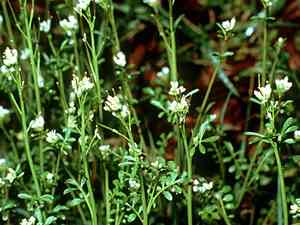
Pennsylvania bittercress (Cardamine pensylvanica)
Also known as: Pennsylvania Bittercress, Wavy Bittercress
Pennsylvania bittercress (Cardamine pensylvanica) is an edible plant commonly found in moist environments like riverbanks and stream edges. The young leaves can be enjoyed raw in salads, while older leaves are better suited for cooking. In contrast, small-flowered bittercress (Cardamine parviflora) is a smaller species that thrives in drier, more open areas. The two plants are often mistaken for each other, but their habitats and physical characteristics, such as flower size and leaf shape, can help distinguish them.
In This Article
Attributes of Pennsylvania bittercress
Lifespan
Annual, Biennial, Perennial
Plant Type
Herb
Plant Height
15 cm to 46 cm
Spread
90 cm
Leaf Color
Green
Flower Size
6 mm
Flower Color
White
Images of Pennsylvania bittercress
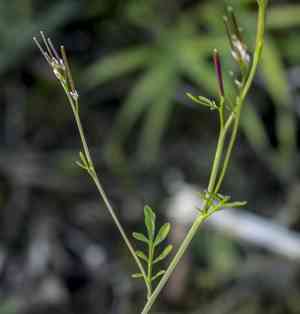
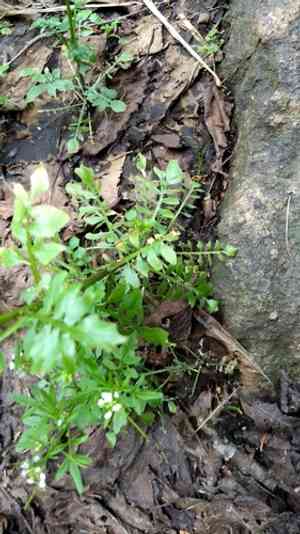
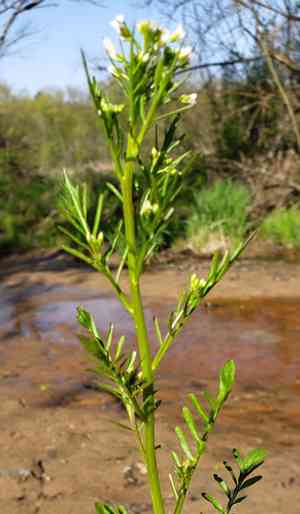
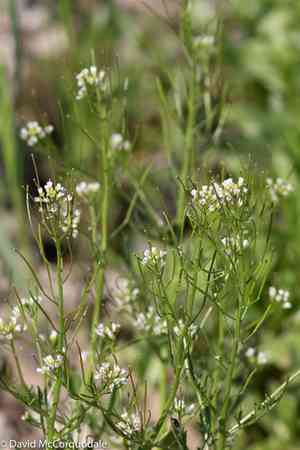
Quickly Identify Pennsylvania bittercress
1
Cardamine pensylvanica can be identified by its small white flowers, which have four petals, and its pinnate leaves with several pairs of leaflets. The plant has a rosette of basal leaves and a flowering stem. The leaves are lobed, and the plant typically has a slender, upright growth habit.
Scientific Classification of Pennsylvania bittercress
Phylum
Vascular plants
Class
Dicotyledons
Order
Brassicales
Family
Cruciferae
Genus
Bittercresses
Species
Pennsylvania bittercress
Planting and Growing of Pennsylvania bittercress
Care Difficulty
Easy
Watering Schedule
Every 8 days
Sunlight Requirements
Partial sun
Sunshine Duration
6-10 hours
Ideal Temperature
60-68℉
Soil Type
Potting Mix, Peat Mix
Soil pH
6-7
Fertilizer Type
Balanced
Pruning Season
Spring, Summer
Pruning Area
Branches, Leaves
Pruning Frequency
2 times a year
Repotting Season
Spring
Pot Type
Plastic, Ceramic
 How to Water Pennsylvania bittercress?
Cardamine pensylvanica prefers consistently moist soil. Watering should be thorough, ensuring the soil is damp but not waterlogged. The goal is to emulate its natural habitat near streams and wetlands.
What are the symptoms of an underwatered Pennsylvania bittercress?
›
What should I do if my Pennsylvania bittercress is not getting enough water?
›
What are the symptoms of an overwatered Pennsylvania bittercress?
›
How to save an overwatered Pennsylvania bittercress?
›
 What Are the Sunlight Requirements for Pennsylvania bittercress?
Partial sun, ideally ensuring Cardamine pensylvanica enjoys filtered light for 3-6 hours daily. This light range supports robust foliage and healthy plant development.
More About Sunlight Requirements Techniques→
Solution
›
Specific Measures
›
Achieved Benefits
›
 What Is the Ideal Temperature Range for Pennsylvania bittercress?
Cardamine pensylvanica thrives in mild conditions, exhibiting optimal growth between 60°F and 68°F. This temperature range encourages proper metabolic function and overall plant health, facilitating lush foliage and robust development. Maintaining these temperatures during the growing season is crucial for achieving vibrant growth and flowering.
 What Soil is Best for Pennsylvania bittercress?
Cardamine pensylvanica thrives in soil that retains moisture well, as this ensures consistent hydration without waterlogging. Optimal moisture retention supports continuous growth and nutrient uptake. A nutrient-rich loam soil provides the essential minerals needed for Cardamine pensylvanica to flourish. Proper nutrient availability encourages healthy foliage and robust plant structure. While moisture is essential, good drainage prevents root rot and other moisture-related diseases, supporting the overall health and resilience of Cardamine pensylvanica.
 How to Fertilize Pennsylvania bittercress?
Cardamine pensylvanica, also known as Pennsylvania Bittercress, thrives with moderate fertilization. Use a balanced liquid fertilizer at half strength, applying approximately 20 ml per square foot of soil. Avoid over-fertilizing, especially with nitrogen-rich fertilizers, as this can lead to lush foliage but weak flowering.
 How to Prune Pennsylvania bittercress?
Begin by assessing the plant's overall shape and looking for any dead or damaged leaves. Use clean and sharp pruning shears to remove wilted or diseased parts, cutting them back to the base to prevent decay. Trim overly long stems to keep the plant compact and tidy. Pay close attention to any crossing branches, as they can rub against each other and cause wounds that are entry points for disease. Trim these branches to allow more light and air circulation in the plant. After pruning, it’s important to water the plant adequately and consider mulching to retain soil moisture. This supports new growth and helps the plant recover swiftly from pruning.
More About Pruning Techniques→
 How to Propagate Pennsylvania bittercress plant?
1
Collect mature seeds from healthy Cardamine pensylvanica plants. Seeds are best harvested when the seed pod has matured and started to dry. This ensures the seeds are fully developed and have a higher germination rate.
2
Sow the seeds evenly on the surface of the potting soil in your chosen containers. Lightly press them into the soil without burying them deeply. This helps maintain moisture and provides sunlight exposure necessary for germination.
3
Water the seeds gently with a mist spray to keep the soil moist but not waterlogged. It's important to maintain consistent moisture during the germination period. Place the seed trays in a location with indirect sunlight.
 How to Repot Pennsylvania bittercress plant?
1
Cardamine pensylvanica should be repotted when you notice roots emerging from the drainage holes or when the plant significantly outgrows its pot. These are signs that it requires more space for root development. Also, if the current soil is not retaining moisture well or is compacted, it's time for a change.
2
Select a pot that is one size larger than the current one with adequate drainage holes to prevent waterlogging. A larger pot allows room for growth and helps avoid root-bound conditions, which can stunt the plant's development. The pot material can influence moisture retention; terracotta, for instance, is great for allowing air circulation.
3
Opt for well-draining, loamy soil that supports moisture management while providing the necessary nutrients. Such soil prevents root rot and ensures that your plant's roots get adequate oxygen. It also mimics the native conditions of Cardamine pensylvanica, helping it to thrive in its new environment.



