The Sun cup Plant Advantage: Maximizing Home and Office Appeal and Wellness
1
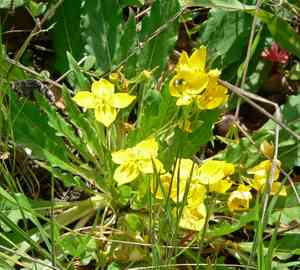
Sun cup is recognized for its bright yellow blooms, enhancing the aesthetic of any garden.
2
This botanical is a significant contributor to pollinator sustenance, drawing in bees and butterflies.
3
It flourishes even in subpar soil, positioning it as a low-maintenance garden specimen.
What Makes Sun cup Stand Out in Your Garden?
Vibrant Blossoms
Sun cup is particularly recognized for its bright yellow flowers that bloom throughout the growing season. These blooms can add a burst of color to any garden, creating a delightful visual contrast against the green foliage. The plant's unique flowering pattern also ensures your garden remains lively and colorful for most of the year.
Pollinator Magnet
One of the most significant advantages of cultivating Sun cup is its capacity to attract pollinators like bees and butterflies. These pollinators are vital for the health of your garden and the broader ecosystem. By having Sun cup in your garden, you're not only enhancing its beauty but also contributing to environmental conservation efforts.
How Does Sun cup Enhance Environmental Health?
Soil Enrichment
Sun cup is known for its resilience and ability to thrive in less-than-ideal soil conditions. This plant can improve soil quality by breaking up compacted soil and adding organic matter as its leaves decompose. Over time, this leads to richer, more fertile soil that can support a variety of other plants.
Erosion Control
The robust root system of Sun cup aids in stabilizing soil, making it an excellent choice for areas prone to erosion. Planting it on slopes or other erosion-susceptible areas can significantly reduce soil loss and improve water retention. This benefit is particularly useful for gardeners aiming to maintain their landscape's integrity.
What Are the Low-Maintenance Advantages of Sun cup?
Minimal Water Requirements
Sun cup is drought-tolerant, making it a great option for gardeners in areas with limited water supply. Once established, it requires minimal watering, saving you time and reducing your water bill. This trait also makes it an ideal choice for xeriscaping, a landscaping method focused on water conservation.
Pest Resistance
Another low-maintenance benefit of Sun cup is its natural resistance to pests. Unlike other garden plants that may require frequent treatments, this plant needs little to no chemical intervention. Its robust nature means you can enjoy a thriving garden with less effort and fewer chemical inputs.
How Can You Incorporate Sun cup Into Your Garden Design?
Borders and Edging
Due to its compact growth habit and vibrant blooms, Sun cup is perfect for use as a border or edging plant. It can neatly frame garden beds, walkways, and patios, adding a structured yet colorful element to your landscape. Its ability to thrive in poor soil further makes it ideal for these locations.
Companion Planting
Sun cup can also be used effectively in companion planting. It pairs well with other native plants and can help create a balanced and harmonious garden ecosystem. Its presence can deter certain pests from more vulnerable plants, fostering a healthier garden environment overall.
What Are Some Tips for Growing Sun cup Successfully?
Ideal Growing Conditions
To get the most out of Sun cup, plant it in an area that receives full sun to partial shade. Although it is tolerant of poor soil, ensuring good drainage will help it thrive even more. A spot with moderate air circulation will also benefit the plant, preventing any potential fungal issues.
Planting and Maintenance
When planting Sun cup, dig a hole slightly larger than the root ball, place the plant, and fill the hole with soil. Water it thoroughly after planting, but thereafter, only water when the soil is dry. Prune spent flowers regularly to encourage new blooms and consider a light mulch to conserve moisture and suppress weeds.



