The Gold of pleasure Plant Advantage: Maximizing Home and Office Appeal and Wellness
1
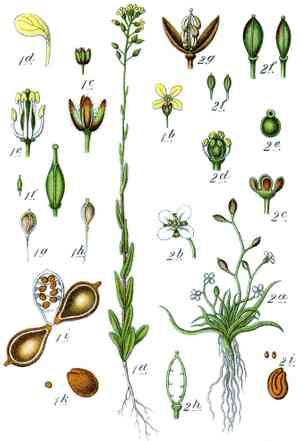
Camelina sativa provides abundant omega-3 fatty acids, crucial for cardiovascular well-being.
2
This crop contributes significantly to sustainable farming practices, needing minimal water and nutrients.
3
Its adaptability allows for biofuel production, positioning it as an environmentally conscious choice.
What Nutrients Does Gold of pleasure Provide?
Rich in Omega-3 Fatty Acids
A key advantage of Gold of pleasure is its abundant omega-3 fatty acid content. These vital fats are essential for heart health, reducing inflammation, and supporting brain function. Unlike many other plant-based omega-3 sources, Gold of pleasure offers a significant amount of alpha-linolenic acid (ALA), which the body can convert into the more beneficial eicosapentaenoic acid (EPA) and docosahexaenoic acid (DHA).
Packed with Essential Minerals and Vitamins
Gold of pleasure seeds are a rich source of crucial minerals and vitamins, including magnesium, calcium, and vitamin E. Magnesium is vital for muscle and nerve function, while calcium supports bone health. Vitamin E, a powerful antioxidant, helps protect cells from oxidative damage, enhancing overall health and well-being.
How Does Gold of pleasure Support Sustainable Agriculture?
Low Water and Nutrient Requirements
Gold of pleasure is particularly known for its minimal water and nutrient needs, making it an ideal crop for sustainable agriculture. This trait lessens the plant's agricultural impact, conserving vital resources and promoting environmentally friendly farming methods. Reduced need for water and fertilizer makes Gold of pleasure a more sustainable choice compared to other high-demand crops.
Enhancing Soil Health
The cultivation of Gold of pleasure also significantly improves soil health. The plant's deep root system helps decrease soil erosion and improve its structure. Furthermore, it can be used in crop rotation to manage pests and enrich the soil with organic matter. Such practices contribute to agricultural sustainability and long-term productivity.
What Are the Industrial Uses of Gold of pleasure?
Production of Biofuels
One fascinating use of Gold of pleasure is in biofuel production. Due to its high oil content, the seeds can be processed into biodiesel, a renewable energy source that can replace traditional fossil fuels. This positions Gold of pleasure as an important contributor to greener energy solutions, lowering greenhouse gas emissions and reliance on non-renewable resources.
Versatility in Manufacturing
Beyond energy production, Gold of pleasure is also used in various manufacturing sectors. The oil extracted from its seeds is utilized in producing biodegradable lubricants, paints, and varnishes. These products are not only eco-friendly but also reduce the environmental impact associated with conventional, petroleum-based alternatives.
How Can You Incorporate Gold of pleasure into Your Diet?
Using Gold of pleasure Seeds
Adding Gold of pleasure seeds to your diet is quite simple and offers numerous health benefits. You can sprinkle the seeds on salads, yogurt, or cereals for a nutty flavor and beneficial nutrients. Additionally, Gold of pleasure seeds can be ground and blended into smoothies or baked goods to boost their nutritional value.
Gold of pleasure Oil as a Cooking Ingredient
Gold of pleasure oil is another excellent way to include the plant in your diet. With a pleasant and mild flavor, Gold of pleasure oil can be used as a base for salad dressings, marinades, or drizzled over cooked vegetables. Unlike some oils, it remains stable at higher temperatures, making it a versatile cooking ingredient.
Environmental Benefits of Growing Gold of pleasure
Supporting Biodiversity
Gold of pleasure cultivation can support and enhance local biodiversity. By providing a habitat for various pollinators and beneficial insects, it plays a significant role in maintaining ecological balance. This is especially important in areas where monoculture farming practices have reduced biodiversity.
Reducing Carbon Footprint
Growing Gold of pleasure also helps decrease the overall carbon footprint. Its low input requirements combined with its ability to produce biofuels mean it can contribute to lowering carbon emissions. Additionally, the plant's capacity to sequester carbon during its growth cycle further aids in mitigating climate change impacts.



