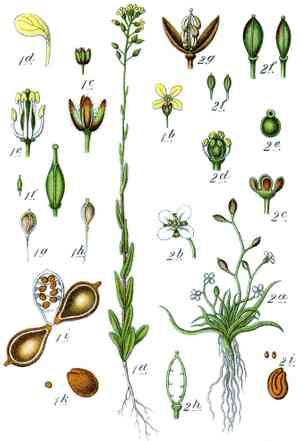
Gold of pleasure (Camelina sativa)
Also known as: Large-seed false flax, Large-seeded false flax, Falseflax
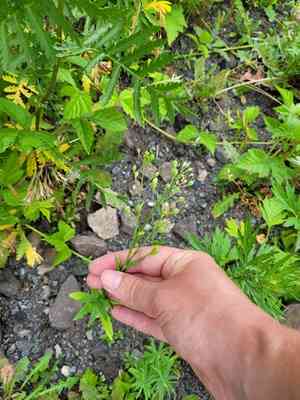
As a summer or winter annual plant, camelina grows to heights of 30 to 120 cm, with branching stems which become woody at maturity. The leaves are alternate on the stem, lanceolate with a length from 2 to 8 cm and a width of 2 to 10 mm. Leaves and stems may be partially hairy.
In This Article
Attributes of Gold of pleasure
Lifespan
Annual, Biennial
Plant Type
Herb
Plant Height
30 cm to 1.02 m
Spread
30–60 cm (1–2 feet)
Leaf Color
Green
Flower Size
5–7 mm
Flower Color
Pale yellow
Images of Gold of pleasure
Quickly Identify Gold of pleasure
1
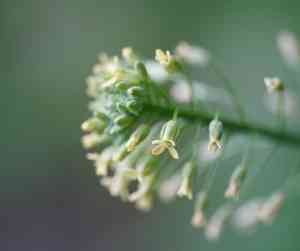
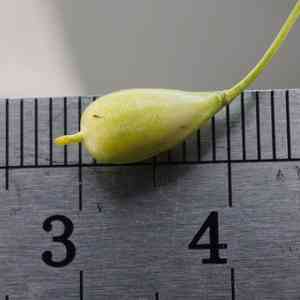
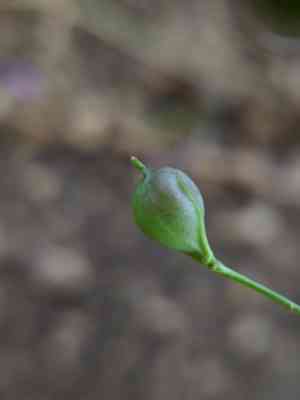
Camelina sativa can be identified by its narrow, lance-shaped leaves and small pale yellow flowers. The plant has a distinctive branched stem and its seed pods, known as siliques, are elongated and contain numerous small seeds.
Scientific Classification of Gold of pleasure
Phylum
Vascular plants
Class
Dicotyledons
Order
Brassicales
Family
Cruciferae
Genus
False flaxes
Species
Gold of pleasure
Planting and Growing of Gold of pleasure
Care Difficulty
Easy
Watering Schedule
Every 2 days
Sunlight Requirements
Full sun
Sunshine Duration
6-8 hours
Ideal Temperature
60-77℉
Soil Type
Potting Mix, Peat Mix
Soil pH
6-7.5
Fertilizer Type
Balanced
Pruning Season
Spring, Summer
Pruning Area
Branches, Leaves
Pruning Frequency
2 times a year
Repotting Season
Spring
Pot Type
Terracotta, Plastic
 How to Water Gold of pleasure?
Camelina sativa prefers a soil moisture level that is consistently damp but not overly saturated. The key is to water it adequately to keep the soil moist, using about 500 milliliters of water each time, allowing excess water to drain, and ensuring the top layer dries out between waterings.
What are the symptoms of an underwatered Gold of pleasure?
›
What should I do if my Gold of pleasure is not getting enough water?
›
What are the symptoms of an overwatered Gold of pleasure?
›
How to save an overwatered Gold of pleasure?
›
 What Are the Sunlight Requirements for Gold of pleasure?
Camelina sativa thrives in full sunlight environments. Ideal conditions promote robust seed development and high oil yields, capitalizing on the plant's natural processes and potential when exposed to consistent sunlight.
What is the ideal light intensity for Camelina sativa?
›
How can I ensure Camelina sativa gets ideal sunlight?
›
What are the benefits of Camelina sativa receiving optimal sunlight?
›
 What Is the Ideal Temperature Range for Gold of pleasure?
The ideal temperature range for Camelina sativa, between 60°F to 77°F, ensures the plant's optimal growth and development. Temperatures within this range allow efficient photosynthesis and biological processes to occur, resulting in healthier plant structures and improved yields.
 What Soil is Best for Gold of pleasure?
Camelina sativa thrives best in well-draining soil which prevents waterlogging and ensures the roots do not suffocate. This type of soil aids in proper nutrient absorption, allowing the plant to grow robustly. Soils rich in organic matter are ideal for Camelina sativa as they provide essential nutrients and promote beneficial microbial activity. This enhances plant growth and boosts resilience against diseases. Camelina does not require very fertile soil; moderate fertility is sufficient. This allows it to be cultivated on soils where other high-demand crops would fail, making it economically viable for a variety of settings.
 How to Fertilize Gold of pleasure?
Camelina sativa, commonly known as false flax, benefits from balanced fertilization. When using liquid fertilizer, mix at a rate of 10-10-10 NPK and dilute 20ml in one gallon of water for optimal growth. For slow-release, apply at a rate of 3 pounds per 100 square feet.
 How to Prune Gold of pleasure?
Start by examining the plant for any dead, diseased, or damaged stems. Remove these stems by cutting them back to the base, which encourages healthy growth and prevents the spread of disease. Camelina sativa can benefit from shaping. Trim excess growth to maintain a desired shape, focusing on maintaining an even canopy to allow for optimal sunlight exposure throughout. If any part of the plant appears too dense, thin out some of the stems. This increases airflow within the plant, reducing the likelihood of fungal infections and allowing enough room for new growth.
 How to Propagate Gold of pleasure plant?
1
Fill the seed trays with the prepared soil mix, ensuring it is evenly distributed and lightly moistened before sowing the seeds.
2
Sprinkle the Camelina sativa seeds over the soil surface, then gently press them into the soil. Cover them lightly with a thin layer of soil mix.
3
Water the trays lightly after sowing. Place the trays in a warm area with consistent temperatures to facilitate seed germination, which typically takes 7-10 days.
 How to Repot Gold of pleasure plant?
1
Repot Camelina sativa when you notice roots outgrowing the current pot, visible root entanglement, or reduced plant growth. These are vital signals that the plant needs more room for healthy development.
2
Select a pot that is 1 to 2 inches larger in diameter than the current one. A pot with drainage holes is crucial, as it prevents waterlogging, which can lead to root rot. The right pot ensures proper growth and health of the plant by providing ample space for expansion.
3
Opt for a well-draining, loamy soil, rich in organic matter. Such a soil type promotes proper aeration and drainage, preventing root rot and ensuring the plant receives essential nutrients for robust growth.
Learn More About Gold of pleasure Diseases
Anthracnose
Bacterial Leaf Spot
Bacterial Soft Rot
Bacterial Wilt
Chemical Injury
Cyst Nematode
Damping-off
Downy Mildew
Drought Stress
Fusarium Wilt
Gray Mold
Leaf Spot
Mosaic
Nutrient Deficiency
Nutrient Toxicity
Powdery Mildew
Root Rot
Root-knot Nematode
Rusts
Spider Mites
Temperature Stress
Thrips Damage
White Mold



