The Butterfly mariposa lily Plant Advantage: Maximizing Home and Office Appeal and Wellness
1
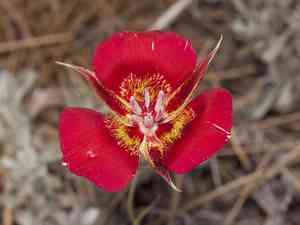
The butterfly mariposa lily is a stunning and distinctive bloom, celebrated for its vivid hues.
2
Optimal growth for this plant occurs in areas with good soil drainage and ample sunlight.
3
This lily variety enhances regional biodiversity and draws in beneficial pollinators.
Why Consider Cultivating Butterfly Mariposa Lily?
Visual Appeal
A primary reason to cultivate Butterfly mariposa lily is its striking appearance. The vivid hues and distinct patterns of its petals make it a captivating addition to any garden. Its diverse colors, from pure white to deep red, adorned with intricate designs, create a living work of art.
Contribution to Biodiversity
Integrating Butterfly mariposa lily into your garden significantly boosts local biodiversity. This plant draws in numerous pollinators, including bees, butterflies, and other beneficial insects. By offering a habitat for these pollinators, Butterfly mariposa lily plays a vital role in sustaining ecological balance.
What Are the Cultivation Requirements for Butterfly Mariposa Lily?
Optimal Soil Conditions
Butterfly mariposa lily flourishes best in well-drained soils that mimic its natural environment. Sandy loams and gravelly soils are ideal. It's crucial to prevent waterlogged conditions, as this can lead to root rot and negatively impact the plant's health.
Sunlight and Watering Needs
This plant thrives when exposed to full sunlight for at least 6 to 8 hours daily. Moderation is key for watering—ensure the soil remains moist but not overly saturated. Over-watering can be harmful, so it's best to let the top layer of soil dry out between watering sessions.
How Does Butterfly Mariposa Lily Promote Environmental Benefits?
Soil Enhancement
Butterfly mariposa lily contributes to improving soil quality. Its root system helps prevent soil erosion and promotes better soil aeration. Growing Butterfly mariposa lily in a garden can lead to healthier soil and a more sustainable plant ecosystem.
Wildlife Support
By attracting pollinators, Butterfly mariposa lily indirectly supports local wildlife. The presence of pollinators ensures the propagation of various plant species, maintaining the food chain's equilibrium. This symbiotic relationship between Butterfly mariposa lily and pollinators illustrates nature's interconnectedness and each species' essential role.
Are There Any Specific Care Guidelines for Butterfly Mariposa Lily?
Seasonal Upkeep
To ensure Butterfly mariposa lily thrives throughout the year, specific seasonal care practices can be beneficial. In winter, mulching can shield roots from frost. During the blooming season, removing spent flowers can encourage more blooms and prevent seed formation.
Pest and Disease Management
Like any plant, Butterfly mariposa lily is vulnerable to certain pests and diseases. Regular inspection can help identify early signs of infestations like aphids or fungal infections. Employing organic pest control methods, such as neem oil, can effectively combat these issues without harming the plant or the environment.
What Are the Practical Applications of Butterfly Mariposa Lily in Landscaping?
Garden Design
Due to its captivating beauty, Butterfly mariposa lily is an excellent choice for various garden designs. It can be used in borders, rock gardens, and as a focal point in mixed flower beds. Its adaptability allows it to blend seamlessly with other flora, enhancing overall garden aesthetics.
Container Cultivation
For those with limited garden space, Butterfly mariposa lily can also be successfully grown in containers. This method allows gardeners to enjoy this beautiful plant on patios, balconies, or even indoors with adequate light. Container gardening also offers more control over soil conditions and watering schedules.



