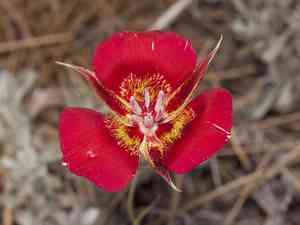
Butterfly mariposa lily (Calochortus venustus)
Also known as: Butterfly Mariposa Lily, Butterfly Tulip
The butterfly mariposa lily (Calochortus venustus) is a perennial herb indigenous to California. It flourishes in light, sandy soils found in grasslands and open woodlands. As a member of the lily family, this species is predominantly located within California and its nearby regions.
In This Article
Attributes of Butterfly mariposa lily
Lifespan
Perennial
Plant Type
Herb
Plant Height
20 cm
Spread
10 cm
Leaf Color
Green
Flower Size
4 cm to 7 cm
Flower Color
White Red Yellow Pink Brown
Images of Butterfly mariposa lily
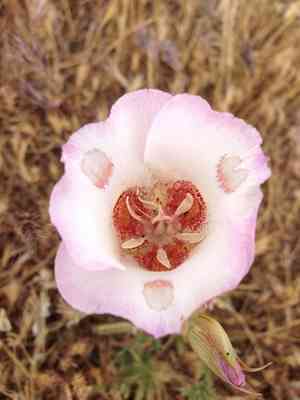
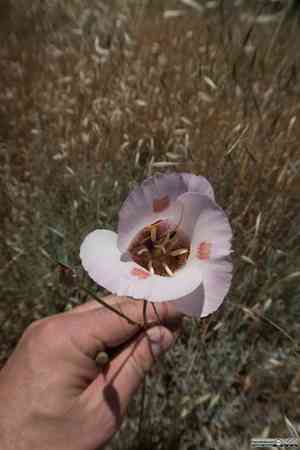
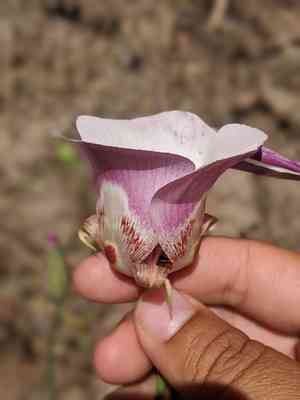
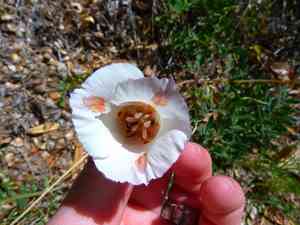
Quickly Identify Butterfly mariposa lily
1
Identify Calochortus venustus by its bell-shaped flowers, which have three petals often marked with eye-catching spots and colors. The flowers are usually white, pink, or purple and can be found blooming in meadows and hillsides during late spring to early summer.
Scientific Classification of Butterfly mariposa lily
Phylum
Vascular plants
Class
Monocotyledons
Order
Liliales
Family
Lily
Genus
Mariposas
Species
Butterfly mariposa lily
Planting and Growing of Butterfly mariposa lily
Care Difficulty
Easy
Watering Schedule
Every 3 days
Sunlight Requirements
Full sun
Sunshine Duration
6-10 hours
Ideal Temperature
60-75℉
Soil Type
Potting Mix, Peat Mix
Soil pH
6.5-7.5
Fertilizer Type
Balanced
Pruning Season
Spring, Summer
Pruning Area
Branches, Leaves
Pruning Frequency
2 times a year
Repotting Season
Spring
Pot Type
Plastic, Ceramic
 How to Water Butterfly mariposa lily?
Calochortus venustus requires thoughtful watering. It prefers being watered thoroughly but sparingly. Providing around 250 ml per session ensures the soil is evenly moist but not waterlogged, mimicking its natural habitat.
What are the symptoms of an underwatered Butterfly mariposa lily?
›
What should I do if my Butterfly mariposa lily is not getting enough water?
›
What are the symptoms of an overwatered Butterfly mariposa lily?
›
How to save an overwatered Butterfly mariposa lily?
›
 What Are the Sunlight Requirements for Butterfly mariposa lily?
Calochortus venustus thrives best in full sun to partial sun conditions, with ideal light fostering robust growth, vibrant flowering, and enhanced resilience against environmental stressors.
More About Sunlight Requirements Techniques→
What is the optimal sun exposure for Calochortus venustus?
›
How can I ensure my Calochortus venustus gets ideal light conditions?
›
What benefits does optimal sunlight provide to Calochortus venustus?
›
 What Is the Ideal Temperature Range for Butterfly mariposa lily?
Calochortus venustus thrives in temperatures ranging from 60°F to 75°F. This range allows for optimal growth and development, providing the necessary conditions for photosynthesis and respiration. Maintaining this temperature range minimizes stress and maximizes flowering potential.
 What Soil is Best for Butterfly mariposa lily?
Calochortus venustus thrives best in nutrient-rich soils that support its growth cycle. Such soils ensure the plant has access to essential nutrients, promoting healthy blooms and vibrant foliage. This plant requires well-drained soil to prevent waterlogging, which can lead to root rot. Proper drainage keeps roots healthy by ensuring they receive adequate oxygen. While Calochortus venustus enjoys moist soil, it cannot tolerate standing water. Moderate moisture levels support sustained growth and prevent stress due to dehydration.
 How to Fertilize Butterfly mariposa lily?
For Calochortus venustus, it is essential to keep the fertilization amount moderate. Too much fertilizer can lead to root burn, while too little can stunt growth. Generally, a half-strength, balanced liquid fertilizer should be enough. Apply about 1/4 teaspoon per gallon of water for liquid fertilizers when feeding.
 How to Prune Butterfly mariposa lily?
Begin by assessing the plant and identifying any dead, damaged, or diseased stems. Use sharp, sterilized secateurs to cut these back to healthy tissue, ensuring a clean, angled cut to facilitate healing. Trim any untidy foliage for a neat appearance. After flowering, deadhead faded blooms to encourage the plant to allocate resources to healthier parts rather than seed production. This simple step not only extends the blooming period but also tidies up the plant’s appearance.
More About Pruning Techniques→
 How to Propagate Butterfly mariposa lily plant?
1
Collect seeds from mature Calochortus venustus flowers. Ensure they are dry before storing or sowing to prevent mold growth and ensure better germination rates.
2
Sow the seeds in a seed tray filled with a sterile potting mix. Cover them lightly with soil and gently water to avoid displacing the seeds.
3
Place the seed tray in a location that receives bright, indirect sunlight. Maintain a consistent temperature for successful germination while ensuring the soil remains evenly moist.
 How to Repot Butterfly mariposa lily plant?
1
Repot Calochortus venustus when you notice that the roots are outgrowing the pot or if the soil seems compacted and water drainage is poor. Early signs could be slowed growth or the need for frequent watering. Choose to repot in spring or autumn for optimal results.
2
Select a pot that is slightly larger than the current one, ensuring it has adequate drainage holes to prevent water from pooling. The pot should allow room for root growth without being too large, which can cause the plant to retain too much moisture, leading to rot.
3
Opt for a well-draining sandy soil mix to mimic the plant's natural environment. This type of soil allows excess water to escape easily, reducing the risk of root rot and promoting healthy plant growth. It should also hold enough nutrients to support the plant.
Learn More About Butterfly mariposa lily Diseases
Anthracnose
Bacterial Leaf Spot
Bacterial Soft Rot
Bacterial Wilt
Black Spot
Chemical Injury
Crown Gall
Cyst Nematode
Damping-off
Downy Mildew
Drought Stress
Fusarium Wilt
Gray Mold
Leaf Curl
Leaf Spot
Mosaic
Nutrient Deficiency
Nutrient Toxicity
Powdery Mildew
Root Rot
Root-knot Nematode
Rusts
Sooty Mold
Spider Mites
Temperature Stress
Thrips Damage
White Mold



