The Cutleaf balsamroot Plant Advantage: Maximizing Home and Office Appeal and Wellness
1
The underground part of Cutleaf balsamroot is recognized for its strong anti-inflammatory effects.
2
Cutleaf balsamroot is a significant early flowering plant, offering essential nourishment to pollinators.
3
Its foliage and blossoms have historically found diverse advantageous uses.
What Are the Main Advantages of Cutleaf Balsamroot?
Anti-Inflammatory Properties
The roots of Cutleaf balsamroot contain compounds that have been shown to exhibit strong anti-inflammatory effects. These properties make it a valuable plant for those interested in natural ways to reduce inflammation. Historically, its roots have been used in various preparations aimed at alleviating discomfort and supporting overall wellness.
Ecological Contributions
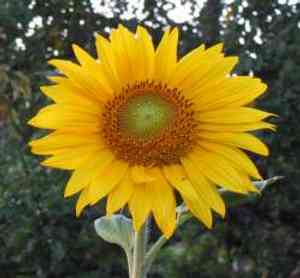
Cutleaf balsamroot is an early bloomer, usually flowering in spring, which makes it an essential food source for pollinators during that critical period. Bees and butterflies are particularly attracted to its bright yellow flowers. By planting Cutleaf balsamroot, gardeners and conservationists support the health of local ecosystems, ensuring that vital pollinators have access to the nourishment they need to thrive.
How Does Cutleaf Balsamroot Improve Soil Quality?
Deep Root System
One of the remarkable features of Cutleaf balsamroot is its extensive root system. These roots penetrate deep into the soil, which helps in stabilizing the earth and preventing erosion. Additionally, these roots bring up nutrients from deeper soil layers, enriching the upper soil with essential minerals.
Nitrogen Fixation
While Cutleaf balsamroot itself is not a nitrogen-fixing plant, its presence in a diversiï¬ed planting scheme can benefit surrounding vegetation. Through its root interactions and the organic matter it contributes, Cutleaf balsamroot helps improve soil structure and fertility, supporting a healthier garden or ecological environment.
What Are Traditional Uses of Cutleaf Balsamroot?
Medicinal and Therapeutic Uses
For centuries, indigenous communities have utilized various parts of Cutleaf balsamroot for traditional remedies. Its roots, leaves, and flowers have been integral in crafting poultices and infusions aimed at promoting wellness. Although modern science is still catching up, these traditional uses underscore the plant's versatility and historical significance.
Nutritional Value
Certain parts of Cutleaf balsamroot, such as its young leaves and seeds, are sometimes incorporated into diets. These parts can provide nutrients and contribute to a balanced diet when utilized appropriately. Always ensure that plant parts are prepared correctly and sourced sustainably to harness their full benefit.
Can Cutleaf Balsamroot Be Cultivated in Home Gardens?
Cultivation Tips
Growing Cutleaf balsamroot in home gardens is relatively straightforward, provided you understand its preferences. The plant prefers well-drained soils and can thrive in both full sun and partial shade. It's drought-tolerant once established, but young plants should be watered moderately until they rooted well.
Companion Planting
Cutleaf balsamroot can be used effectively in companion planting strategies. Its deep roots and flowering schedule make it an excellent companion for shallow-rooted vegetables and flowers that blossom later in the season. Integrating Cutleaf balsamroot into your garden can enhance biodiversity and create a visually appealing landscape.



