
Cutleaf balsamroot (Balsamorhiza macrophylla)
Also known as: Hairy Balsamroot
Cutleaf balsamroot (Balsamorhiza macrophylla) is prevalent in Idaho, Montana, Utah, and Wyoming. This mountain species thrives at higher elevations and is seldom seen at lower altitudes. Livestock and large animals frequently graze on it, with its flowers being especially favored by horses.
In This Article
Attributes of Cutleaf balsamroot
Lifespan
Perennial
Plant Type
Herb
Plant Height
1.02 m
Spread
N/A
Leaf Color
Gray-green
Flower Size
2 cm to 3 cm
Flower Color
Yellow
Images of Cutleaf balsamroot
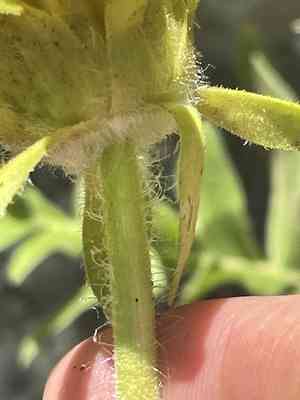
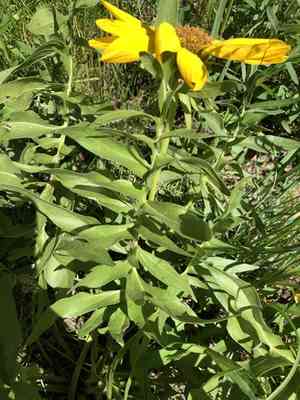
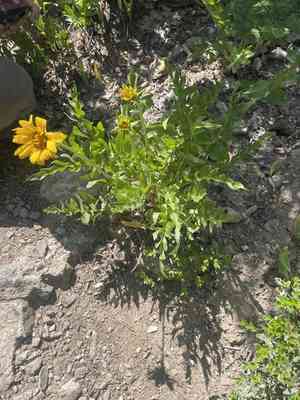
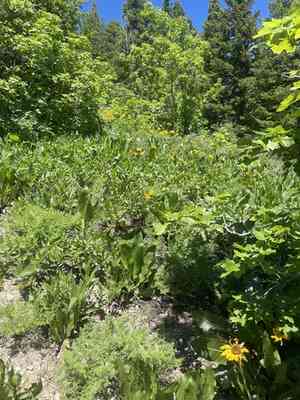
Quickly Identify Cutleaf balsamroot
1
Balsamroot can be identified by its large, arrow-shaped leaves that are covered in a woolly texture and its bright yellow flowers that resemble small sunflowers. The plant grows in clusters and often occupies dry, rocky slopes.
Scientific Classification of Cutleaf balsamroot
Phylum
Vascular plants
Class
Dicotyledons
Order
Asterales
Family
Daisy
Genus
Balsamroots
Species
Cutleaf balsamroot
Planting and Growing of Cutleaf balsamroot
Care Difficulty
Easy
Watering Schedule
Every 2 days
Sunlight Requirements
Full sun
Sunshine Duration
6-10 hours
Ideal Temperature
40-70℉
Soil Type
Potting Mix, Peat Mix
Soil pH
6.5-7.5
Fertilizer Type
Balanced
Pruning Season
Spring, Summer
Pruning Area
Branches, Leaves
Pruning Frequency
2 times a year
Repotting Season
Spring
Pot Type
Plastic, Ceramic
 How to Water Cutleaf balsamroot?
Balsamorhiza macrophylla benefits from deep watering, ensuring the soil is thoroughly soaked. This helps the roots grow deeper and more resilient. When watering, aim to use about 500 milliliters of water, enough to moisten the soil to a depth of at least 6 inches, simulating natural rainfall conditions.
What are the symptoms of an underwatered Cutleaf balsamroot?
›
What should I do if my Cutleaf balsamroot is not getting enough water?
›
What are the symptoms of an overwatered Cutleaf balsamroot?
›
How to save an overwatered Cutleaf balsamroot?
›
 What Are the Sunlight Requirements for Cutleaf balsamroot?
Balsamorhiza macrophylla enjoys full to partial sunlight within 6-8 hours daily. Adequate sunshine enhances blooming and maintains robust plant health.
More About Sunlight Requirements Techniques→
What is the ideal sunlight for Balsamorhiza macrophylla?
›
How can I achieve the best sunlight conditions?
›
What benefits does ideal sunlight provide?
›
 What Is the Ideal Temperature Range for Cutleaf balsamroot?
Balsamorhiza macrophylla thrives in a temperature range of 40°F to 70°F. This range supports healthy photosynthesis and respiration processes, essential for the plant's growth and productivity.
 What Soil is Best for Cutleaf balsamroot?
Balsamorhiza macrophylla thrives in soil that is rich in organic matter and essential nutrients. This type of soil composition boosts its growth by providing essential elements needed for robust health and vibrant blooms. This plant demands well-drained soil to prevent root rot and other water-related issues. Proper drainage ensures that roots receive adequate oxygen, fortifying the plant against various diseases while promoting strong root systems. While requiring good drainage, the soil should also retain sufficient moisture to keep the plant hydrated. This balance prevents stress from drought conditions, ensuring that the plant remains vigorous and resilient.
 How to Fertilize Cutleaf balsamroot?
When fertilizing Balsamorhiza macrophylla, it is crucial to avoid over-fertilization, as this plant is adapted to nutrient-poor soils. Applying liquid fertilizer every two weeks should involve a diluted solution, reducing the recommended concentration by half. If using slow-release pellets, only scatter them around the plant's base three times yearly, using a minimal amount, around 1 to 2 tablespoons per application.
 How to Prune Cutleaf balsamroot?
Ensure your pruning tools are well maintained and sanitized before starting. This reduces the risk of disease transmission between plants. Always wear gloves to protect your hands. While Balsamorhiza macrophylla can be pruned in both spring and summer, avoid heavy pruning during late summer as the plant needs time to prepare for dormancy in autumn and winter. Light trimming is preferable in these cases.
More About Pruning Techniques→
 How to Propagate Cutleaf balsamroot plant?
1
Start by filling seed trays with a well-draining potting mix. Sow the seeds on the surface and lightly cover them with soil. Keep the tray in a warm, sunlit area and maintain consistent moisture until germination occurs.
2
Select a mature Balsamorhiza macrophylla in early spring. Utilize a garden spade to carefully dig around the plant and lift it from the ground. Gently separate root sections ensuring each has viable shoots and roots.
3
Once the seedlings have developed several true leaves or divided sections have viable roots, transplant them into individual pots or designated garden spaces. Ensure the newly planted sections are watered adequately and shaded from harsh sun initially.
 How to Repot Cutleaf balsamroot plant?
1
Repot Balsamorhiza macrophylla in early spring when you notice roots protruding from the drainage holes, or the plant appears stunted despite proper care. These signals indicate the plant has outgrown its current space and requires a larger pot to thrive.
2
Select a pot that's 1-2 inches larger in diameter than the current one. Ensure it has proper drainage holes to prevent waterlogging, which could lead to root rot. A spacious pot facilitates better root expansion and overall plant growth, helping your Balsamorhiza macrophylla flourish.
3
Opt for well-draining loamy soil to ensure optimal root aeration and moisture retention. This type of soil allows excess water to escape easily while providing sufficient nutrients, promoting healthy growth for your Balsamorhiza macrophylla.
Learn More About Cutleaf balsamroot Diseases
Anthracnose
Bacterial Leaf Spot
Bacterial Soft Rot
Bacterial Wilt
Black Spot
Chemical Injury
Crown Gall
Cyst Nematode
Damping-off
Downy Mildew
Drought Stress
Fusarium Wilt
Gray Mold
Leaf Spot
Mosaic
Nutrient Deficiency
Nutrient Toxicity
Powdery Mildew
Root Rot
Root-knot Nematode
Rusts
Sooty Mold
Spider Mites
Temperature Stress
Thrips Damage
White Mold



