The Tatarian orache Plant Advantage: Maximizing Home and Office Appeal and Wellness
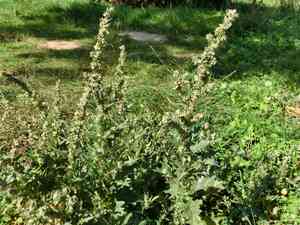
1
Tatarian orache flourishes in salty ground, making it perfect for regions with inferior soil conditions.
2
This vegetation is a nutritional powerhouse, providing vital vitamins and minerals.
3
Its capacity to stop soil degradation offers considerable ecological advantages.
What Makes Tatarian orache a Resilient Plant?
Adaptation to Saline Soils
A key feature of Tatarian orache is its remarkable capacity to thrive in salty soils. Unlike many plants that struggle in high-salinity environments, Tatarian orache not only survives but flourishes. This makes it an excellent option for areas impacted by soil salinization, often a result of climate change and poor water management. By cultivating Tatarian orache in these regions, growers can revitalize previously unproductive land, transforming it into fertile agricultural zones.
Drought Resistance
Another notable trait is its ability to withstand drought. This plant can endure extended periods without water, making it highly suitable for arid and semi-arid climates. Its deep root system enables it to access moisture reserves far beneath the soil surface, ensuring its survival and growth even in the harshest conditions. This hardiness not only supports food security in challenging environments but also makes Tatarian orache a dependable crop during increasingly unpredictable weather patterns.
The Nutritional Benefits of Tatarian orache
Rich in Essential Nutrients
Tatarian orache is more than just a tough plant; it's also a nutritional powerhouse. It contains a variety of vital vitamins and minerals, including vitamins A and C, magnesium, potassium, and iron. These nutrients are crucial for maintaining overall health, bolstering immune function, and promoting cell regeneration. Incorporating Tatarian orache into your diet can help address nutrient deficiencies and contribute to a well-balanced, healthy eating plan.
Fiber Content
Beyond its rich nutrient profile, Tatarian orache is an excellent source of dietary fiber. Fiber plays a crucial role in maintaining digestive health, preventing constipation, and supporting a healthy gut microbiome. For individuals seeking to improve their digestion and maintain a healthy weight, adding Tatarian orache to their meals can offer significant advantages. Whether used in salads, soups, or smoothies, its fiber content helps promote fullness and supports overall gastrointestinal well-being.
How Does Tatarian orache Benefit the Environment?
Soil Erosion Prevention
One of the environmental advantages of growing Tatarian orache is its capacity to prevent soil erosion. The plant's extensive root network helps bind the soil together, lessening the impact of wind and water erosion. This is particularly important in areas prone to erosion, as it helps preserve soil structure and fertility, supporting sustainable agriculture and safeguarding the environment.
Carbon Sequestration
In addition to preventing soil erosion, Tatarian orache also aids in carbon sequestration. Plants naturally absorb carbon dioxide during photosynthesis, and Tatarian orache is no exception. By cultivating Tatarian orache, you can help reduce the overall levels of carbon dioxide in the atmosphere, thereby contributing to the fight against climate change. This makes Tatarian orache not only beneficial for soil health but also for the broader ecosystem.
Applications of Tatarian orache in Agriculture and Horticulture
Crop Rotation
In agriculture, Tatarian orache can be effectively utilized in crop rotation systems. Its ability to enhance soil conditions and prevent erosion makes it an excellent choice for rotating with other crops. Farmers can use Tatarian orache to restore soil health between more demanding crops, ensuring the long-term sustainability of the land. This practice not only boosts soil fertility but also helps manage pests and diseases by disrupting their life cycles.
Cover Cropping
Another practical use for Tatarian orache is as a cover crop. Cover crops are planted primarily to cover the soil rather than for harvest. Tatarian orache's dense foliage and robust root system make it ideal for this role, providing ground cover that protects the soil from erosion, suppresses weeds, and enriches soil organic matter. This ultimately leads to improved soil structure and fertility, benefiting subsequent crops planted in the same soil.
Why Should You Consider Growing Tatarian orache?
Low Maintenance Requirements
One of the most appealing aspects of cultivating Tatarian orache is its minimal maintenance needs. Given its resilience to drought and salinity, this plant requires less water and fewer soil amendments compared to other crops. This translates to lower input costs and reduced labor, making Tatarian orache an economically viable option for both small-scale gardeners and large-scale farmers. Its low maintenance nature allows for sustainable farming practices, even in resource-limited settings.
Versatility in Uses
The versatility of Tatarian orache extends beyond agricultural benefits. It can also be used in landscaping to stabilize slopes and prevent erosion in gardens and urban environments. Additionally, its leaves and seeds can be harvested for culinary purposes, providing a nutritious addition to various dishes. Whether you're looking to enhance your garden's sustainability or boost your diet's nutritional profile, Tatarian orache offers diverse benefits that make it a valuable addition to any landscape or kitchen.



