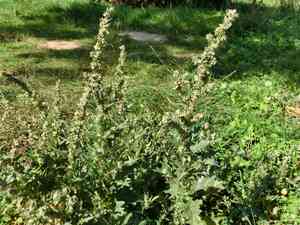
Tatarian orache (Atriplex tatarica)
Also known as: Tatrian saltbush
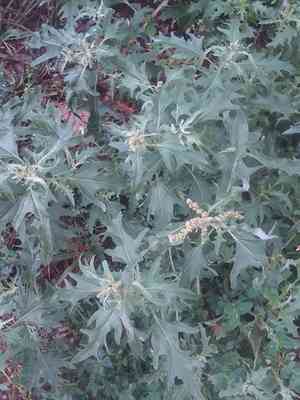
Tatarian orache is a robust, drought-resistant plant common in arid and saline regions. It thrives in steppe climates, thanks to its extensive root system that taps into deep water reserves during dry periods. The plant's succulent leaves, often adorned with salt crystals, are key to its survival in saline conditions. Small, scaly flowers add to its unique appearance. Known for its adaptability, Tatarian orache not only supports wildlife by providing food but also helps stabilize its harsh environment.
In This Article
Attributes of Tatarian orache
Lifespan
Annual
Plant Type
Herb
Plant Height
20 cm to 80 cm
Spread
N/A (Herbaceous plant)
Leaf Color
Green
Flower Size
Small (less than 1 cm)
Flower Color
Yellow Green
Images of Tatarian orache
Quickly Identify Tatarian orache
1
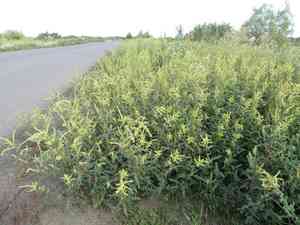
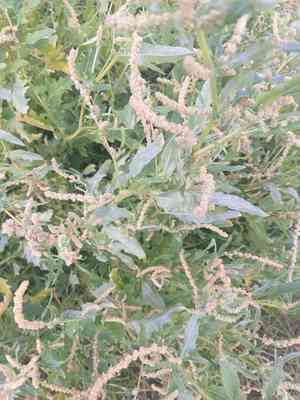
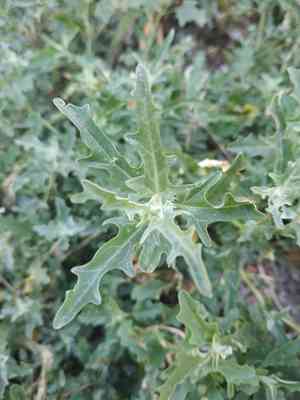
To identify Atriplex tatarica, look for its distinctive triangular to diamond-shaped leaves which are silvery and scaly. The stems are erect, and it tends to grow in saline or disturbed soils.
Scientific Classification of Tatarian orache
Phylum
Vascular plants
Class
Dicotyledons
Order
Caryophyllales
Family
Amaranth
Genus
Saltbush
Species
Tatarian orache
Planting and Growing of Tatarian orache
Care Difficulty
Easy
Watering Schedule
Every 3 days
Sunlight Requirements
Full sun
Sunshine Duration
6-10 hours
Ideal Temperature
65-75℉
Soil Type
Potting Mix, Peat Mix
Soil pH
6.5-7.5
Fertilizer Type
Balanced
Pruning Season
Spring, Summer
Pruning Area
Branches, Leaves
Pruning Frequency
2 times a year
Repotting Season
Spring
Pot Type
Plastic, Ceramic
 How to Water Tatarian orache?
Atriplex tatarica thrives when watered with about 500 milliliters of water per session. The aim is to provide enough moisture to reach the roots without oversaturating the soil. Ensure the top layer of soil dries out between waterings to prevent root rot.
What are the symptoms of an underwatered Tatarian orache?
›
What should I do if my Tatarian orache is not getting enough water?
›
What are the symptoms of an overwatered Tatarian orache?
›
How to save an overwatered Tatarian orache?
›
 What Are the Sunlight Requirements for Tatarian orache?
Atriplex tatarica thrives best in full sun to partial sun conditions. With proper sunlight exposure, this plant can efficiently photosynthesize, bolstering its growth cycle, health, and reproductive capabilities, promoting a robust and lush appearance.
How much light does Atriplex tatarica need?
›
What are the potential solutions for obtaining ideal light conditions?
›
What are the benefits of ideal light conditions for Atriplex tatarica?
›
 What Is the Ideal Temperature Range for Tatarian orache?
The ideal temperature range for Atriplex tatarica is between 65°F and 75°F. This temperature range allows the plant to perform photosynthesis optimally, ensuring healthy growth and reproduction. Consistent temperatures within this range can promote the plant's ability to adapt to its environment and thrive.
 What Soil is Best for Tatarian orache?
Atriplex tatarica thrives best in well-drained soils. Proper drainage helps prevent waterlogged conditions that can lead to root rot, ensuring the plants establish strong, healthy root systems. This plant benefits from moderately fertile soils. Sufficient nutrients support its growth and development, promoting lush foliage and robust growth while avoiding excessive nutrient accumulations that may harm the plant balance. Atriplex tatarica can tolerate slightly alkaline conditions. This allows it to adapt to various garden soils without suffering from nutrient deficiencies, making it a versatile choice for different landscapes.
 How to Fertilize Tatarian orache?
Atriplex tatarica is a hardy plant that requires moderate feeding. Use a balanced fertilizer mix and apply the recommended amount based on the manufacturer's instructions. Typically, 10 grams per plant should suffice.
 How to Prune Tatarian orache?
Examine the plant carefully and look for dead or damaged shoots. Cut these away to improve the plant's overall health. Focus on any branches that cross over each other to prevent chafing. Make cuts at a 45-degree angle to encourage new growth. Start with the uppermost section and work your way down. Ensure you remove any shoots that appear stunted or diseased for the plant's vitality. After pruning, water the plant adequately and check for any signs of disease at the cut points. Apply a mild fertilizer to support new growth and monitor the plant regularly. Wear gloves to protect your hands from sharp tools and potential plant irritants. Ensure footing is stable when reaching for higher branches to avoid accidents.
 How to Propagate Tatarian orache plant?
1
Begin by collecting fresh seeds from a mature Atriplex tatarica plant. Clean the seeds to remove any pulp or residue, which could inhibit germination, and then allow them to dry for a day or two before planting.
2
Fill seed trays with potting mix, then sow the seeds on the surface, lightly covering them with a thin layer of soil. Ensure the soil remains consistently moist but not waterlogged to facilitate germination.
3
Place the seed trays in a location with bright, indirect sunlight and consistent warmth. Maintaining a stable temperature is critical for successful germination; consider using a seed heat mat if needed.
 How to Repot Tatarian orache plant?
1
Atriplex tatarica shows it's time for a new pot when roots begin to circle the container, emerging from drainage holes, or when water takes longer to drain. Notice leaf discoloration or stunted growth, signaling nutrient deficiency due to compacted soil. The perfect time to repot is just before new growth in spring or summer, giving roots maximal time to adjust to a new environment before dormancy.
2
Select a pot that's merely one size bigger than the current one. A pot with 2-3 additional inches allows for root expansion without overwhelming the plant, preventing water retention issues. Aim for pots with ample drainage holes to prevent waterlogging, which is critical given Atriplex tatarica's preference for dry conditions. Consider terracotta pots for their breathability and capacity to prevent soil compaction.
3
Use well-draining sandy soil to mimic its natural arid habitat. The ideal mix includes sand, perlite, and a minimal component of organic material to provide nutrients while ensuring excess moisture rapidly drains. This mix prevents root rot and provides a nurturing base for root development, essential for maintaining healthy Atriplex tatarica vegetation.



