The Red fruit bearberry Plant Advantage: Maximizing Home and Office Appeal and Wellness
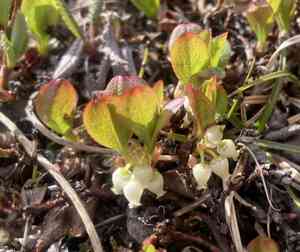
1
A resilient plant that flourishes across different weather conditions, suitable for various garden environments.
2
Yields bright crimson fruits that draw in animals and enhance the garden's visual appeal.
3
Requires minimal upkeep and helps secure soil, making it excellent for preventing land degradation.
What Are the Main Advantages of Red fruit bearberry?
Draws in Wildlife
Red fruit bearberry acts as a magnet for local wildlife. Its vibrant red berries offer sustenance for birds and small animals, boosting your garden's biodiversity. Cultivating Red fruit bearberry can establish a micro-habitat that supports native fauna, fostering ecological balance and providing natural beauty.
Enhances Garden Appeal
The vivid red berries and rich green foliage of Red fruit bearberry introduce a burst of color to any garden. Its low, spreading growth habit can fill empty spaces and create a unified, attractive landscape. Whether you're designing a contemporary garden or a classic one, Red fruit bearberry can seamlessly integrate into various design schemes, adding visual interest throughout the year.
How to Grow Red fruit bearberry for Best Results?
Optimal Growing Conditions
Red fruit bearberry flourishes in well-drained soils and can endure a range of soil types, including sandy and rocky substrates. It prefers full sun to partial shade, making it adaptable for different garden zones. Furthermore, Red fruit bearberry is drought-tolerant once established, lessening the need for frequent watering and making it an eco-conscious choice.
Planting Guidelines
When planting Red fruit bearberry, ensure the soil is properly prepared by incorporating organic matter to enhance drainage and nutrient levels. Space the plants appropriately to allow for spreading. Applying mulch around the base can help retain moisture and suppress weeds, encouraging robust growth.
What Upkeep Does Red fruit bearberry Need?
Minimal Maintenance Requirements
Red fruit bearberry is a low-maintenance plant that demands little care once established. Pruning is generally not required but can be performed to shape the plant or remove any dead or damaged branches. Its resilient nature means it is resistant to most pests and diseases, further reducing the need for intervention.
Seasonal Care Practices
During the active growing period, occasional watering might be necessary, especially during extended dry spells. In autumn, a layer of mulch can safeguard the roots from cold temperatures, though Red fruit bearberry is typically robust and can withstand harsh conditions.
How Does Red fruit bearberry Contribute to Soil Stability?
Prevents Erosion
A significant advantage of Red fruit bearberry is its capacity to stabilize soil. Its extensive root system binds the soil together, making it an excellent option for slopes and areas prone to erosion. By planting Red fruit bearberry, you can reduce soil loss and preserve the integrity of your landscape.
Improves Soil Quality
Red fruit bearberry also contributes to soil health by adding organic matter as it grows and decays. The fallen leaves and decomposed plant material enrich the soil, improving its structure and fertility over time. This natural soil enhancement can lessen the need for additional fertilizers and amendments.
Why Select Red fruit bearberry for Your Garden?
Environmental Advantages
Choosing Red fruit bearberry for your garden is an ecologically sound decision. Its low water demands and ability to thrive without synthetic fertilizers or pesticides make it a sustainable option. By cultivating Red fruit bearberry, you are contributing to a healthier environment and promoting sustainable gardening practices.
Versatility and Adaptability
Red fruit bearberry is suitable for a variety of garden environments, from rock gardens and borders to naturalized areas and wildlife gardens. Its adaptability makes it a flexible choice for different design objectives and environmental conditions. Whether you are a novice gardener or an experienced horticulturist, Red fruit bearberry can be a valuable addition to your garden.



