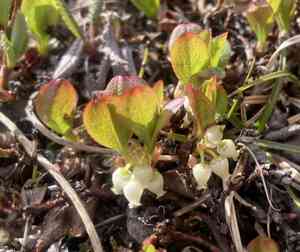
Red fruit bearberry (Arctostaphylos rubra)
Also known as: Red Manzanita, Alpine Bearberry
Bearberry (Arctostaphylos uva-ursi) is a small, low-growing shrub perfectly suited to arctic and subarctic environments. Its name reflects its popularity with bears, who are fond of its red berries that look similar to cranberries. Historical documentation of bearberry goes back to the 13th century.
In This Article
Attributes of Red fruit bearberry
Lifespan
Perennial
Plant Type
Shrub
Plant Height
3 cm to 15 cm
Spread
90 cm to 1.8 m
Leaf Color
Green
Flower Size
Approximately 0.5 cm (0.2 inches)
Flower Color
White
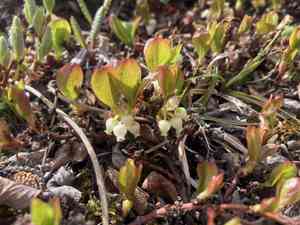
Images of Red fruit bearberry
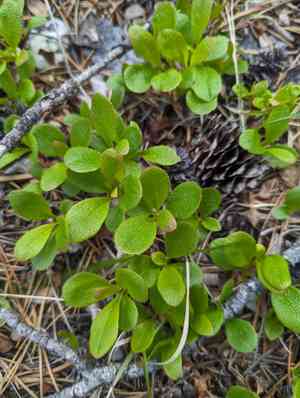
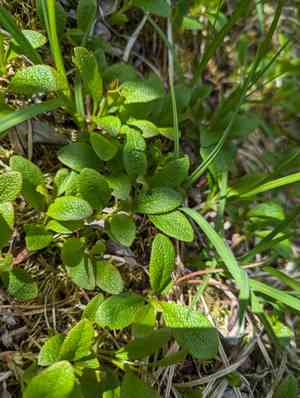
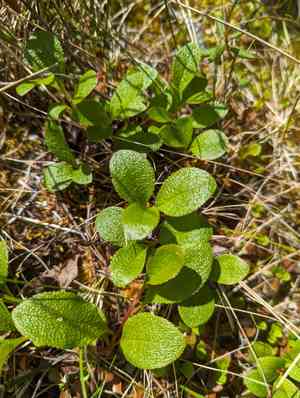
Quickly Identify Red fruit bearberry
1
Arctostaphylos rubra can be identified by its low, ground-hugging growth habit, small and leathery leaves, and distinctive red berries. The leaves are typically evergreen, elliptical, and have a smooth margin. The plant grows in a mat-like structure, spreading across the ground.
Scientific Classification of Red fruit bearberry
Phylum
Vascular plants
Class
Dicotyledons
Order
Ericales
Family
Heath
Genus
Arctostaphylos
Species
Red fruit bearberry
Planting and Growing of Red fruit bearberry
Care Difficulty
Easy
Watering Schedule
Every 3 days
Sunlight Requirements
Full sun
Sunshine Duration
4-8 hours
Ideal Temperature
55-65℉
Soil Type
Potting Mix, Peat Mix
Soil pH
4.5-6
Fertilizer Type
Balanced
Pruning Season
Spring, Summer
Pruning Area
Branches, Leaves
Pruning Frequency
2 times a year
Repotting Season
Spring
Pot Type
Plastic, Ceramic
 How to Water Red fruit bearberry?
Arctostaphylos rubra, commonly known as Red Bearberry, requires a balance in watering. Aim to provide approximately 500 milliliters per watering session. The soil should be moist, but not soggy, allowing the top layer to dry out slightly between waterings to prevent root rot.
What are the symptoms of an underwatered Red fruit bearberry?
›
What should I do if my Red fruit bearberry is not getting enough water?
›
What are the symptoms of an overwatered Red fruit bearberry?
›
How to save an overwatered Red fruit bearberry?
›
 What Are the Sunlight Requirements for Red fruit bearberry?
For best performance, this plant should be placed in areas with partial to full sun exposure. Ideal lighting ensures vigorous growth, colorful foliage, and resilience against pests and diseases.
Optimal Light Exposure
›
Solution for Ideal Light
›
Benefits of Optimal Light
›
 What Is the Ideal Temperature Range for Red fruit bearberry?
What is the ideal temperature range for Arctostaphylos rubra? The ideal temperature range for Arctostaphylos rubra is typically between 55°F to 65°F. These temperatures enable optimal growth and physiological functions in these plants. This range facilitates effective photosynthesis and nutrient uptake, ensuring that the plant remains healthy and vibrant. Keeping the temperature within this range can help prevent stress and disease, promoting robust development.
 What Soil is Best for Red fruit bearberry?
Arctostaphylos rubra thrives in well-drained soil that prevents water from stagnating around the roots. This improves oxygen availability and reduces root rot risks. This plant does well in relatively nutrient-poor soil environments, making it suitable for areas where other plants might struggle. This leads to less competition for nutrients. Arctostaphylos rubra prefers slightly acidic soil conditions. This pH level ensures optimal nutrient uptake and metabolic processes.
 How to Fertilize Red fruit bearberry?
When fertilizing Arctostaphylos rubra, it's crucial to use a balanced approach. For liquid fertilizers, apply at a quarter strength diluted solution once a month during the growing season. For granular fertilizers, a light hand is needed—approximately one tablespoon per square foot of soil is generally adequate to support healthy growth without overwhelming the plant.
 How to Prune Red fruit bearberry?
Begin by identifying and removing any dead or diseased branches. Use sharp and clean pruning shears to make precise cuts just above a healthy leaf bud or branch. Ensure you prune in an outward direction to encourage a natural shape. Trim back any branches that are crossing or rubbing against each other to prevent damage and disease. For shaping, retain the natural structure of the plant while thinning out the interior to allow light and air circulation. Regular light pruning is preferred over heavy cutting, allowing the plant to recover quickly and maintain continuous growth.
More About Pruning Techniques→
 How to Propagate Red fruit bearberry plant?
1
To propagate Arctostaphylos rubra through seeds, start by soaking the seeds in warm water for 24 hours to enhance germination. This step helps to break seed dormancy and make germination more successful.
2
In early spring, select healthy stems and make cuttings about 10 cm in length using disinfected pruning shears. Remove the leaves from the lower half to reduce moisture loss and encourage root development.
3
For layering, choose a low branch and slightly wound it to stimulate root growth. Cover the wounded section with soil, ensuring it stays in contact with the soil, and use a small stone or pin to keep it in place.
 How to Repot Red fruit bearberry plant?
1
Repot Arctostaphylos rubra when you notice roots emerging from the drainage holes or when the soil appears compacted. Spring is ideal for repotting as the plant is entering a period of active growth, allowing it to quickly adapt to its new environment.
2
Select a pot that is only slightly larger than the current one, providing enough room for root expansion without causing excessive water retention. A clay pot with a drainage hole is ideal, promoting moisture regulation and preventing root rot.
3
Opt for a well-drained sandy soil mix to ensure proper aeration and drainage. This is crucial for preventing root rot and simulating the plant's natural habitat, which is typically well-drained, acidic soils.



