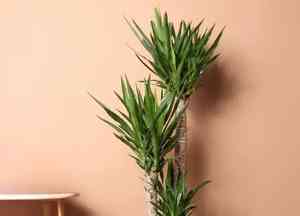
Yucca gigantea (Yucca gigantea)
Also known as: Spineless yucca, Giant yucca
Yucca gigantea, commonly known as the Giant Yucca or Spineless Yucca, is an evergreen shrub native to Mexico and Central America. It is known for its sturdy, drought-tolerant nature and can grow up to 30 feet tall. It has a thick trunk topped with rosettes of long, sword-shaped leaves.
In This Article
Plant Comprehensive Care Guide: Beginner's Introduction and Key Details
Perfect for beginners starting their plant care journey
→
10 Secrets to Making Yucca gigantea Grow Faster (A Must-Read for Beginners)
Advanced tips to accelerate your plant's growth
→
Care "Black Tech": 10 Little-Known Highly Effective Maintenance Tips
Expert-level techniques for optimal plant care
→
Attributes of Yucca gigantea
Lifespan
Yucca gigantea is a perennial plant.
Plant Height
Up to 30 feet (9 meters)
Spread
Up to 15 feet (4.5 meters)
Leaf Color
Green
Flower Size
Up to 2.5 inches (6.35 cm)
Flower Color
White or cream
Images of Yucca gigantea
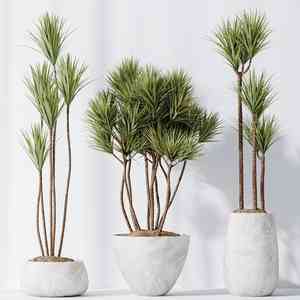
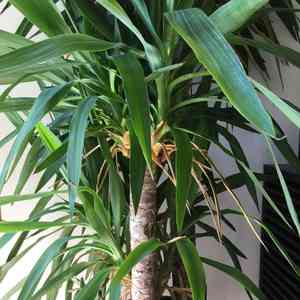
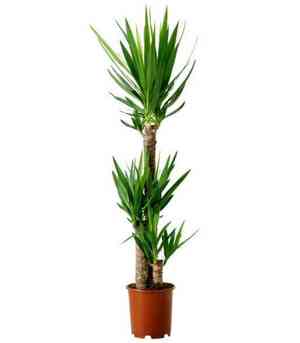
Quickly Identify Yucca gigantea
1
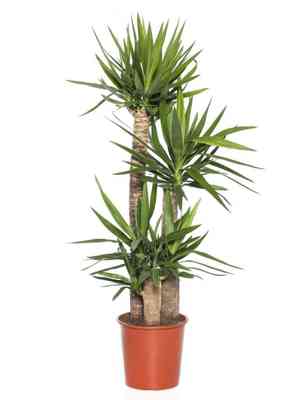
Identify Yucca gigantea by its tall, sturdy trunk and rosettes of long, sword-like leaves that lack the sharp spines typical of other Yucca species. The plant often produces clusters of white, bell-shaped flowers.
Scientific Classification of Yucca gigantea
Phylum
Magnoliophyta
Class
Liliopsida
Order
Asparagales
Family
Asparagaceae
Genus
Yucca
Planting and Growing of Yucca gigantea
Care Difficulty
Easy
Watering Schedule
Every 2 days
Sunlight Requirements
Full sun
Sunshine Duration
6-8 hours
Ideal Temperature
65-75℉
Soil Type
Potting Mix, Peat Mix
Soil pH
6.5-7.5
Fertilizer Type
Balanced
Pruning Season
Spring, Summer
Pruning Area
Branches, Leaves
Pruning Frequency
2 times a year
Repotting Season
Spring
Pot Type
Plastic, Ceramic
 How to Water Yucca gigantea?
For Yucca gigantea, it is crucial to allow the soil to dry out between waterings. The plant requires about 500 ml of water per session, ensuring the soil is moistened thoroughly but not waterlogged. Ideally, water until you see drainage, discouraging root rot.
More About Watering Techniques→
What are the symptoms of an underwatered Yucca gigantea?
›
What should I do if my Yucca gigantea is not getting enough water?
›
What are the symptoms of an overwatered Yucca gigantea?
›
How to save an overwatered Yucca gigantea?
›
 What Are the Sunlight Requirements for Yucca gigantea?
Yucca gigantea favors a range of partial to full sunlight, approximately 6 to 8 hours. Receiving ideal light benefits its growth cycle, enhancing health and reducing pest susceptibility.
More About Sunlight Requirements Techniques→
What is the optimal sunlight condition for Yucca gigantea?
›
What solutions exist to provide ideal lighting?
›
What are the benefits of achieving ideal light conditions?
›
 What Is the Ideal Temperature Range for Yucca gigantea?
The ideal temperature range for Yucca gigantea, commonly known as the Spineless Yucca or Giant Yucca, is between 65°F to 75°F. This range provides optimal conditions for growth and development, ensuring the plant can perform photosynthesis effectively and maintain its health. Within this moderate temperature range, Yucca plants thrive, showing vibrant green leaves and robust growth.
 What Soil is Best for Yucca gigantea?
Yucca gigantea thrives best in well-draining soil, as it prevents waterlogging which can lead to root rot. This requirement ensures that the plant's roots receive the right balance of moisture and air, enabling healthy growth and reducing the risk of root diseases. This plant is remarkably tolerant of nutrient-poor soils, which means it doesn't require heavy fertilization. Having such soil allows the yucca to develop resilience and adapt to varying environmental conditions, making it ideal for areas with less fertile land. Yucca gigantea can tolerate a range of soil pH, from slightly acidic to neutral. This flexibility makes it easier to find suitable soil in naturally occurring environments, and it helps the plant efficiently absorb nutrients when grown within this pH range.
More About Soil→
 How to Fertilize Yucca gigantea?
For Yucca gigantea, it's important to use a balanced fertilizer. Apply approximately 1/4 strength of a complete liquid fertilizer during the growing season. Ensure not to over-fertilize as this plant is adapted to nutrient-poor environments.
More About Fertilizing Techniques→
 How to Prune Yucca gigantea?
Look for stems that are overgrown or have become too tall. Identify where the offshoots or branches originate, and trim at the base of these stems to encourage compact, healthier growth. Cut offshoots that appear at the base or along the main stem. This encourages the main plant to grow stronger and can also help prevent an overly crowded appearance.
More About Pruning Techniques→
 How to Propagate Yucca gigantea plant?
1
Choose a healthy stem from the Yucca gigantea that is at least 10-15 cm long. Ensure the stem is disease-free and preferably not flowering. This will promote better rooting and ensure the vitality of the new plant.
2
Once you've selected the right stem, use sterilized pruning shears to make a clean cut just below a node. Remove any leaves from the lower section of the cutting to focus energy on root development and dip the cut end into rooting hormone powder.
3
Plant the prepared cutting in a well-draining potting mix, burying it to a depth that covers the bottom sets of the nodes. Lightly water to settle the soil but avoid over-watering to prevent rot.
 How to Repot Yucca gigantea plant?
1
Yucca gigantea needs repotting when you notice its roots growing out of the drainage holes or the plant appears too top-heavy for its pot. This usually indicates that the roots have outgrown their space, necessitating a new pot for adequate growth.
2
Select a pot that is one size larger and has good drainage holes. A slightly larger pot allows for healthy root expansion while preventing water from accumulating, which can lead to root rot. Terra cotta pots are a great choice due to their breathability.
3
Opt for a well-draining cactus mix to repot your Yucca gigantea. This soil type is ideal because it mimics the plant's natural environment, providing quick drainage and reducing the risk of overwatering, which can cause root rot.
Toxicity
NA
WARNING
The judgment on toxicity and danger is for reference only. We DO NOT GUARANTEE any accuracy of such judgment. Therefore, you SHALL NOT rely on such judgment. It is IMPORTANT TO SEEK PROFESSIONAL ADVICE in advance when necessary.



