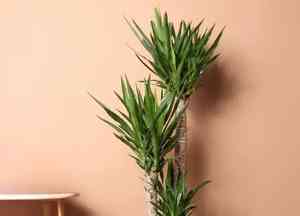
Optimal Soil for Growing Yucca gigantea: What You Need to Know
1
Spineless yucca flourishes in soil that is mildly alkaline to neutral, with a pH ranging from 6.5 to 7.5.
2
Incorporating perlite and sand improves the soil's ability to drain, thereby protecting Spineless yucca from root decay.
3
Pre-treating soil prior to planting helps remove detrimental pathogens and unwanted organisms.
What Type of Growing Medium Does Spineless Yucca Prefer?
Optimal Substrate Composition
The Spineless yucca flourishes best in a growing medium that is porous and somewhat coarse. Ideally, the substrate should be a blend of sand and rich earth, which assists in facilitating superior water evacuation while retaining necessary moisture and nutrients. The soil makeup should mirror the plant’s native dry and semi-arid environments, providing both efficient drainage and sufficient sustenance to foster development.
Significance of Well-Draining Substrate
Properly draining soil is vital for Spineless yucca as it prevents water accumulation around the root system, which can lead to decay. The roots of this plant favor remaining relatively arid, and excessive dampness can stress the plant or even cause its demise. To optimize substrate permeability, it's crucial that the soil is light and airy, enabling surplus water to exit effectively.
Soil pH Level
For prime development, the substrate's pH level for Spineless yucca should range between 6.5 and 7.5. This slightly alkaline to neutral spectrum is perfect for nutrient uptake. Testing your soil's pH can be achieved with home kits readily available at most garden centers. Should the pH fall outside this range, you can amend the soil with lime to increase alkalinity or sulfur to boost acidity.
How to Enhance Soil Drainage for Spineless Yucca
Incorporating Perlite and Sand
Integrating perlite and sand into your growing medium can significantly improve its drainage capacity. Perlite is a lightweight volcanic glass that helps maintain an open and well-aerated soil structure. Adding sand, particularly coarse sand, also contributes to improved drainage and prevents substrate compaction. A suitable blend might involve adding one part perlite and one part sand to two parts of your existing soil.
Utilizing Potting Substrates
For individuals who prefer the ease of commercially prepared solutions, cactus or succulent potting mixes are often perfectly suited for Spineless yucca. These formulations are designed for efficient drainage and typically contain elements like sand, perlite, and bark that prevent water retention. Be sure to examine the label to confirm the mix contains components appropriate for yuccas.
Preventing Soil Compaction
Substrate compaction can severely impede drainage and root growth for Spineless yucca. To avoid this, never overwater the plant and ensure the soil remains loose and friable. Additionally, it can be beneficial to occasionally aerate the soil manually by gently poking holes in it to enhance airflow around the root system.
How to Prepare Growing Medium for Planting Spineless Yucca
Selecting the Appropriate Site
When preparing the substrate for planting Spineless yucca, choosing the correct location is essential. Opt for a spot that receives ample sunlight throughout the day. Yuccas can withstand partial shade but prefer full sun for optimal development. Confirm the ground where you intend to plant has excellent drainage, either naturally or achieved through soil modifications.
Soil Amendments
To ready the growing medium, consider incorporating organic matter such as compost. This not only supplies vital nutrients but also aids in improving soil structure. Furthermore, integrating materials like gravel or small stones can further boost drainage. Balancing these additions correctly ensures your Spineless yucca has everything it requires to flourish.
Sterilizing Substrate
Sterilizing the growing medium helps eradicate detrimental pathogens and pests that could harm your Spineless yucca. You can sterilize soil by baking it in an oven at 180°F (82°C) for approximately 30 minutes. Alternatively, you can employ commercial soil sterilants or solarize the substrate by covering it with clear plastic and exposing it to direct sunlight for several weeks, effectively eliminating undesirable organisms.
Can You Use Commercial Growing Medium for Spineless Yucca?
Top Commercial Substrate Blends
Pre-packaged soil mixes labeled for cacti and succulents are typically a good match for Spineless yucca. These blends offer superior drainage and often possess the ideal balance of sand, perlite, and organic material that yucca plants favor. Specific brands provide premium cactus mixes that include supplementary nutrients to support your plant's development.
Custom Substrate Blend Recipes
If you prefer a more customized approach, you can formulate your own growing medium blend. A common recipe involves combining two parts rich earth, one part coarse sand, and one part perlite. This mixture guarantees excellent drainage while providing sufficient substance to support the plant. Adjust the proportions as needed based on your local climate and substrate conditions.
Advantages and Disadvantages of Commercial Substrate
Utilizing store-bought growing medium presents both benefits and drawbacks. On the positive side, these mixes are convenient and specifically formulated to address the requirements of plants like Spineless yucca. They frequently include added nutrients that can stimulate plant growth. However, they can be more costly than creating your own blend, and sometimes they might contain undesirable additives or pests. Always thoroughly read the labels to ensure you are acquiring a high-quality product tailored for succulents and yuccas.



