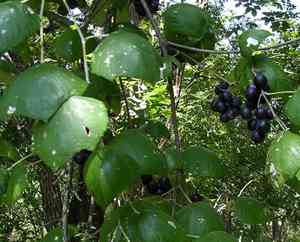
Mustang grape (Vitis mustangensis)
Also known as: Mustang Grape
The Mustang grape (*Vitis mustangensis*) is a grapevine known for its distinctive leaves, which have a white, satiny texture on their underside. The grapes from this vine are commonly used in home-brewed wines, making them a popular choice for winemaking enthusiasts.
Attributes of Mustang grape
Images of Mustang grape
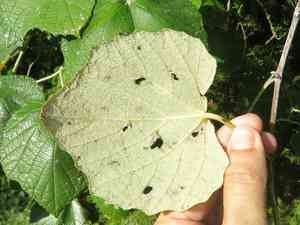
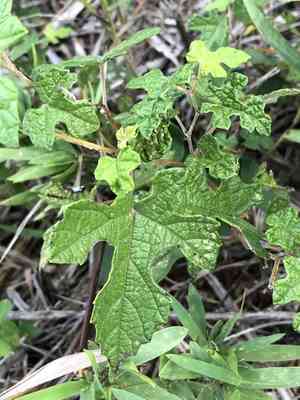
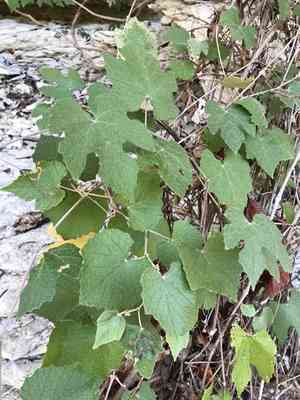
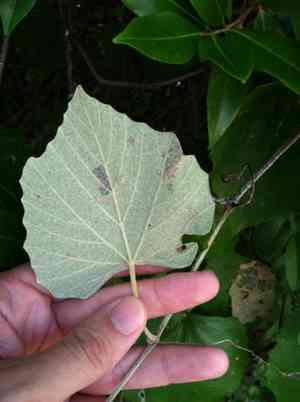
Quickly Identify Mustang grape
Scientific Classification of Mustang grape
Planting and Growing of Mustang grape
 How to Water Mustang grape?
 What Are the Sunlight Requirements for Mustang grape?
 What Is the Ideal Temperature Range for Mustang grape?
 What Soil is Best for Mustang grape?
 How to Fertilize Mustang grape?
 How to Prune Mustang grape?
 How to Propagate Mustang grape plant?
 How to Repot Mustang grape plant?
Toxicity of Mustang grape
Is Mustang grape toxic to cat?
The mustang grape plant presents a moderate risk of toxicity to felines. If a cat consumes the fruits of the mustang grape, poisoning may ensue. The poisoning generally occurs through the ingestion of these hazardous components. Symptoms may include physical distress such as vomiting or diarrhea, which indicate the cat's adverse reaction to the toxins found in the fruits. Due to the gravity of this issue, it is essential for cat owners to swiftly seek medical attention from a veterinary clinic to safeguard their pet's well-being.
Is Mustang grape toxic to dog?
The plant species known as mustang grape is regarded as having a moderate toxicity risk for dogs. Ingestion is the primary route through which dogs can become poisoned by this plant. The toxic elements of mustang grape are its berries, which, if ingested, can result in detrimental health effects in dogs. Possible symptoms indicative of poisoning may encompass gastrointestinal distress, vomiting, diarrhea, and potentially more severe reactions depending on the volume consumed and the individual dog's tolerance. It is vital for dog owners to prevent their pets from gaining access to the mustang grape fruits, and if dogs have ingested any portion of this plant, it is essential to seek prompt veterinary assistance to ensure appropriate treatment and management of the symptoms.



