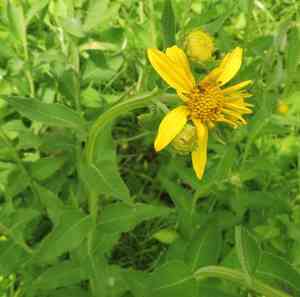
Gravelweed (Verbesina helianthoides)
Also known as: Bare-stemmed Sunflower
Verbesina helianthoides stands out as a tall, leafy perennial that begins flowering earlier in the year compared to other Verbesina species it coexists with. It produces yellow flowers from spring through fall, giving it a longer blooming period.
In This Article
Attributes of Gravelweed
Lifespan
Perennial
Plant Type
Herb
Plant Height
61 cm to 91 cm
Spread
1 to 2 feet
Leaf Color
Green
Flower Size
1.5 to 2.5 inches
Flower Color
Yellow
Images of Gravelweed
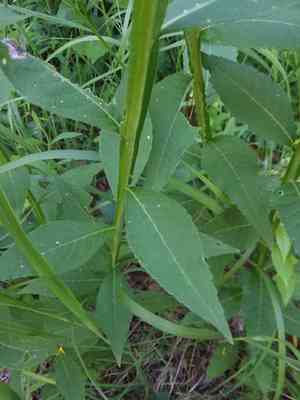
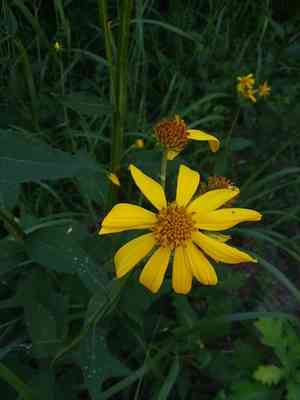
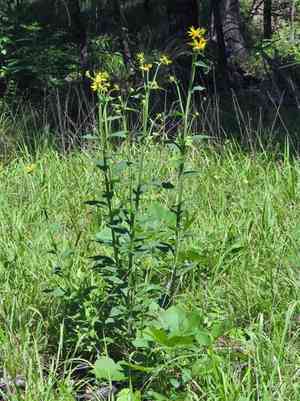
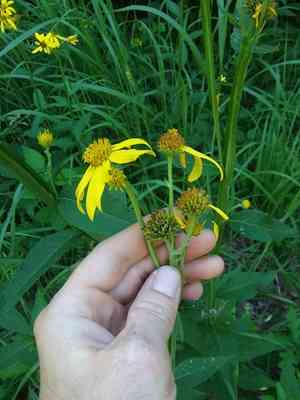
Quickly Identify Gravelweed
1
Identifiable by its tall, erect stems which can grow up to several feet high, and its bright, yellow, daisy-like flowers. The leaves are lance-shaped and arranged alternately along the stem.
Scientific Classification of Gravelweed
Phylum
Vascular plants
Class
Dicotyledons
Order
Asterales
Family
Daisy
Genus
Crownbeard
Species
Gravelweed
Planting and Growing of Gravelweed
Care Difficulty
Easy
Watering Schedule
Every 3 days
Sunlight Requirements
Full sun
Sunshine Duration
4-6 hours
Ideal Temperature
65-75℉
Soil Type
Potting Mix, Peat Mix
Soil pH
6.5-7.5
Fertilizer Type
Balanced
Pruning Season
Spring, Summer
Pruning Area
Branches, Leaves
Pruning Frequency
2 times a year
Repotting Season
Spring
Pot Type
Plastic, Ceramic
 How to Water Gravelweed?
Verbesina helianthoides requires watering up to the point where the soil is evenly moist. Aim for about 500 ml each time, ensuring the entire root system is reached without over-saturating the soil. This practice supports healthy root growth and prevents waterlogging issues.
What are the symptoms of an underwatered Gravelweed?
›
What should I do if my Gravelweed is not getting enough water?
›
What are the symptoms of an overwatered Gravelweed?
›
How to save an overwatered Gravelweed?
›
 What Are the Sunlight Requirements for Gravelweed?
Verbesina helianthoides prefers 6 to 8 hours of full to partial sun. Proper lighting enhances photosynthesis, bloom production, and cultivates stronger, disease-resistant plants.
What is the ideal lighting for Verbesina helianthoides?
›
How to achieve the ideal lighting for Verbesina helianthoides?
›
Benefits of providing ideal lighting for Verbesina helianthoides
›
 What Is the Ideal Temperature Range for Gravelweed?
Verbesina helianthoides thrive best within the temperature range of 65°F to 75°F. This range provides the optimal conditions for photosynthesis and enzymatic activities, ensuring healthy and vigorous growth of the plant.
 What Soil is Best for Gravelweed?
Verbesina helianthoides thrives in well-drained soil, which helps prevent root rot by ensuring excess water doesn’t clinge around the roots. Good drainage ensures that the plant receives proper aeration, promoting healthy root development and vigorous growth. This plant prefers moderately fertile soil, which provides sufficient nutrients without the risk of overfertilization. A balance of essential nutrients supports robust growth and a lush display of this plant’s characteristic blooms. Maintaining a soil pH between 6.5 and 7.5 ensures optimal nutrient availability for Verbesina helianthoides. It prevents nutrient lockout, helping the plant absorb necessary elements like phosphorus and potassium for optimal health.
 How to Fertilize Gravelweed?
For Verbesina helianthoides, it is important to provide moderate amounts of fertilizer. During the growing season, apply a balanced water-soluble fertilizer at half the recommended strength to avoid nutrient burn and support healthy growth.
 How to Prune Gravelweed?
Begin by removing any dead or damaged stems to allow the plant to focus energy on healthy growth. Trim just above a leaf node to encourage branching. Cut back overgrown stems by a third of their length to promote a bushier growth habit. This helps the plant maintain a compact and attractive form. If the plant becomes too large, prune it back to a manageable size. This is especially important in smaller gardens where space is limited.
 How to Propagate Gravelweed plant?
1
Prepare the seeds of Verbesina helianthoides by soaking them in water overnight to soften the seed coat. This can aid in faster germination. After soaking, plant them in a seed tray filled with seed-starting mix.
2
Select a healthy stem from Verbesina helianthoides, ideally in the early morning when the plant is fully turgid. Cut a 4-6 inch stem below a node with a pair of pruning shears to maximize rooting potential.
3
Carefully dig up the plant in the late spring. Gently separate the roots into smaller clumps, ensuring each division has a healthy root system. Replant these divisions at the same depth they were originally growing.
 How to Repot Gravelweed plant?
1
You'll know it's time to repot Verbesina helianthoides when its roots start circling around the pot's bottom, the plant looks stunted or top-heavy, or when the soil seems compacted. Repot in early spring to give the plant a fresh start before the growing season.
2
Select a pot that is one size larger than the current one. Ensure it has adequate drainage holes to prevent waterlogging and root rot, which the plant is susceptible to. A terracotta pot is ideal as it provides stability and breathability for the roots.
3
Opt for a well-draining, fertile soil mix containing equal parts loam, peat, and perlite. This composition ensures ample nutrition for Verbesina helianthoides while preventing water stagnation. Such soil supports healthy root growth and helps with aeration.
Learn More About Gravelweed Diseases
Anthracnose
Bacterial Leaf Spot
Bacterial Wilt
Black Spot
Chemical Injury
Crown Gall
Damping-off
Downy Mildew
Drought Stress
Fusarium Wilt
Gray Mold
Leaf Curl
Leaf Spot
Mosaic
Nutrient Deficiency
Nutrient Toxicity
Powdery Mildew
Root Rot
Root-knot Nematode
Rusts
Sooty Mold
Spider Mites
Temperature Stress
Thrips Damage
White Mold



