The Gravelweed Plant Advantage: Maximizing Home and Office Appeal and Wellness
1
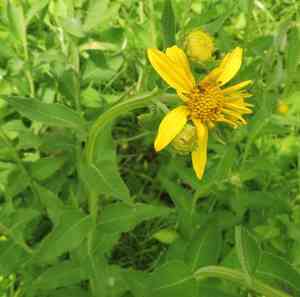
Gravelweed draws in helpful pollinators, boosting ecological variety.
2
Its extensive root structure aids in preventing soil degradation.
3
This plant flourishes in infertile ground, offering flexibility for your garden.
How Does Gravelweed Attract Beneficial Pollinators?
A Magnet for Bees and Butterflies
A primary reason to incorporate Gravelweed into your garden is its capacity to draw in helpful pollinators, such as bees and butterflies. The plant produces vivid yellow blossoms that are not only visually appealing but also rich in nectar. This nectar serves as a vital food source for pollinators, which, in turn, aid in the fertilization of other plants in your garden. By attracting these advantageous insects, Gravelweed fosters a healthier and more vibrant garden environment.
Supporting Pollinator Populations
Pollinators are essential for the reproduction of over 75% of flowering plants. By cultivating Gravelweed, you can help bolster declining pollinator populations. This is particularly significant in urban and suburban areas, where natural habitats are often fragmented or reduced. The presence of Gravelweed can establish a much-needed sanctuary for these invaluable insects, contributing to the stability of local ecosystems.
Can Gravelweed Help Control Soil Erosion?
An Excellent Ground Cover
Gravelweed is highly effective in mitigating soil erosion, thanks to its robust root system. The plant's roots penetrate deeply into the soil, helping to bind it together and prevent erosion caused by wind and water. This makes Gravelweed especially valuable in areas susceptible to soil degradation, such as slopes and embankments. By stabilizing the soil, Gravelweed not only prevents erosion but also improves soil quality over time.
Water Retention Benefits
Beyond preventing soil erosion, Gravelweed assists in water retention. Its root system helps to maintain soil structure, allowing water to permeate and be stored more efficiently. This can be particularly advantageous in drought-prone regions or during dry periods, as it helps to ensure that your garden remains hydrated for extended durations.
Can Gravelweed Thrive in Poors Soil Conditions?
Adaptability to Various Soil Types
Gravelweed is remarkably adaptable concerning soil conditions. It can flourish in a range of soil types, including poor and sandy soils where many other plants struggle to survive. This versatility makes Gravelweed a dependable choice for gardeners facing challenging soil conditions. Once established, this plant requires minimal upkeep, making it an excellent low-maintenance addition to any garden.
Improving Soil Health
Despite its ability to grow in infertile soils, Gravelweed can also contribute to soil health. The plant adds organic matter to the soil as its leaves and other parts decompose. This organic matter enriches the soil, enhancing its texture and fertility over time. By improving soil quality, Gravelweed not only benefits itself but also creates a more hospitable environment for other plants.
How Can Gravelweed Contribute to Biodiversity?
Creating Diverse Habitats
Gravelweed plays a crucial role in promoting biodiversity within your garden. By providing sustenance and shelter for a variety of pollinators and other beneficial insects, it helps to establish a more balanced and diverse ecosystem. This diversity is vital for the health and resilience of your garden, as it ensures that a wide array of species can flourish.
Supporting Native Species
In many parts of its indigenous range, Gravelweed supports local flora and fauna. Introducing Gravelweed into your garden can help to reestablish native plant species, which in turn support native wildlife. This creates a mutually beneficial relationship that enhances the overall health and sustainability of local ecosystems.



