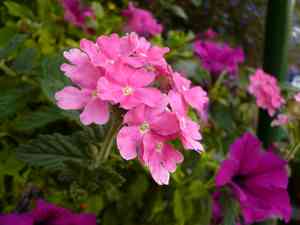
Brazilian vervain (Verbena litoralis)
Also known as: Blue vervain
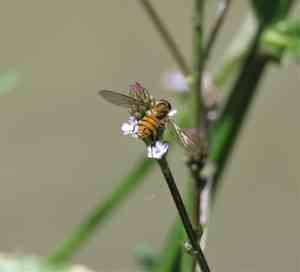
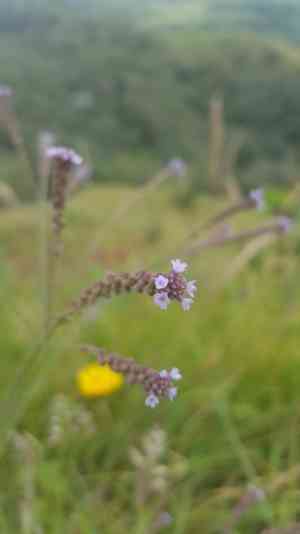
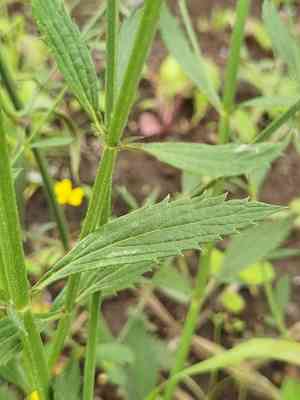
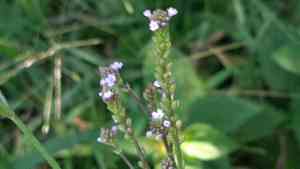
This perennial herb features one or more upright stems that are either hairless or slightly bristly, reaching heights from 40 cm to over 1 m. The leaves are rough-haired, somewhat lance-shaped, and have serrated edges, with blades up to 10 cm long. The inflorescence consists of one to eleven vertical spikes, densely packed with flowers at the top and more loosely arranged toward the base. Each small tubular flower has a purple corolla approximately 5 mm wide.
In This Article
Attributes of Brazilian vervain
Lifespan
Perennial
Plant Type
Herb
Plant Height
40 cm to 1 m
Spread
Varies, generally not wide
Leaf Color
Green
Flower Size
4 cm to 12 cm
Flower Color
White Pink Purple
Images of Brazilian vervain
Quickly Identify Brazilian vervain
1
Look for slender, branching stems that can grow up to 1-2 meters tall. The leaves are opposite, oblong to lanceolate, and often have serrated edges. The small flowers are grouped in spikes and are typically violet to purple in color.
Scientific Classification of Brazilian vervain
Phylum
Vascular plants
Class
Dicotyledons
Order
Lamiales
Family
Verbena
Genus
Vervains
Species
Brazilian vervain
Planting and Growing of Brazilian vervain
Care Difficulty
Easy
Watering Schedule
Every 8 days
Sunlight Requirements
Full sun
Sunshine Duration
6-10 hours
Ideal Temperature
65-75℉
Soil Type
Potting Mix, Peat Mix
Soil pH
6.5-7.5
Fertilizer Type
Balanced
Pruning Season
Spring, Summer
Pruning Area
Branches, Leaves
Pruning Frequency
2 times a year
Repotting Season
Spring
Pot Type
Plastic, Ceramic
 How to Water Brazilian vervain?
Verbena litoralis thrives when its soil is kept consistently moist but not waterlogged. Ideally, you should water the plant until the top inch of soil feels moist to the touch. Be cautious not to let water pool at the bottom of the pot, as this can lead to root rot.
What are the symptoms of an underwatered Brazilian vervain?
›
What should I do if my Brazilian vervain is not getting enough water?
›
What are the symptoms of an overwatered Brazilian vervain?
›
How to save an overwatered Brazilian vervain?
›
 What Are the Sunlight Requirements for Brazilian vervain?
Verbena litoralis prefers full sun, benefiting from daily exposure to 6-8 hours of sunlight. This light range ensures healthy growth, prolific blooming, and fosters strong plant structures, crucial for its long-term health.
More About Sunlight Requirements Techniques→
What is the best lighting condition for Verbena litoralis?
›
How can I ensure Verbena litoralis receives ideal sunlight?
›
What benefits does ideal sunlight offer Verbena litoralis?
›
 What Is the Ideal Temperature Range for Brazilian vervain?
The ideal temperature range for Verbena litoralis is between 65°F to 75°F. This range provides optimal conditions for growth and flowering. Within this temperature window, the plant can efficiently perform metabolic activities, such as photosynthesis, leading to healthier and more vibrant foliage.
 What Soil is Best for Brazilian vervain?
Verbena litoralis thrives in well-drained soil, which prevents waterlogging and root rot. This helps ensure that the roots receive adequate oxygen and reduces the risk of diseases that can stunt growth or kill the plant. Nutrient availability is crucial for Verbena litoralis, as it supports healthy growth and vibrant blooming. Incorporating organic matter like compost can enhance the soil's fertility, boosting the plant’s vigor and flowering capacity. While too much moisture can be detrimental, Verbena litoralis prefers soil that retains some moisture without being soggy. This balance ensures continuous nutrient uptake and photosynthetic activity for optimal growth.
 How to Fertilize Brazilian vervain?
For Verbena litoralis, it's best to apply liquid fertilizer at half the usual strength to avoid overwhelming the plant. A dose of approximately 1 teaspoon per gallon of water is appropriate. For slow-release fertilizers, use about a tablespoon per plant, distributing it evenly around the soil area.
 How to Prune Brazilian vervain?
Begin by examining the plant for dead, diseased, or damaged stems. These should be removed first to improve airflow and reduce the risk of infection. After identifying and removing damaged stems, focus on flowering stems that have already bloomed. Trim these back to encourage new growth and to promote a second blooming cycle. To shape the plant, prune the outer stems slightly more than the inner ones. This helps maintain a compact and aesthetically pleasing shape, encouraging denser growth.
More About Pruning Techniques→
 How to Propagate Brazilian vervain plant?
1
Collect seeds from mature Verbena litoralis plants, ensuring they are fully dried. Store them in a cool, dry place until planting. Soak seeds in warm water for 24 hours before sowing to enhance germination.
2
Select healthy stems and cut 4-6 inch sections with at least two nodes. Remove lower leaves and allow the cut end to dry for a few hours before planting in a well-draining mix. Maintain humidity by covering with plastic.
3
In spring, dig up clumps of Verbena litoralis and separate them into smaller sections, each with roots and shoots. Replant these divisions in prepared soil, water thoroughly, and mulch to conserve moisture.
 How to Repot Brazilian vervain plant?
1
Verbena litoralis needs repotting when you notice roots emerging from the drainage holes or the soil starts to dry out faster than usual. These signs indicate that the plant is root-bound and requires a larger pot to continue thriving.
2
Select a pot that is 2-3 inches wider and deeper than the current one. This extra space allows room for root growth, encouraging stronger, healthier development and preventing the plant from becoming root-bound again too quickly.
3
Opt for a well-draining, sandy loam soil mixture. This composition provides excellent drainage and aeration, preventing waterlogging and root rot, while giving the roots the breathing space they need for optimal nutrient absorption.
Learn More About Brazilian vervain Diseases
Anthracnose
Bacterial Leaf Spot
Bacterial Wilt
Crown Gall
Cyst Nematode
Damping-off
Downy Mildew
Drought Stress
Fusarium Wilt
Gray Mold
Leaf Curl
Leaf Spot
Mosaic
Nutrient Deficiency
Nutrient Toxicity
Powdery Mildew
Root Rot
Root-knot Nematode
Rusts
Sooty Mold
Spider Mites
Temperature Stress
Thrips Damage
White Mold



