
Cranberry (Vaccinium oxycoccos)
Also known as: Small cranberry, Marsh whortleberry
The cranberry (Vaccinium oxycoccos) is a small shrub known for its tart red berries, which are often sweetened for use in sauces or dried snacks. It naturally grows in Europe, Asia, and North America, particularly in acidic bogs and wetlands. This species is notably present in Britain.
In This Article
Attributes of Cranberry
Lifespan
Perennial
Plant Type
Shrub
Plant Height
5 cm to 10 cm
Spread
45 cm
Leaf Color
Green
Flower Size
2.5 cm
Flower Color
White Pink Purple
Images of Cranberry
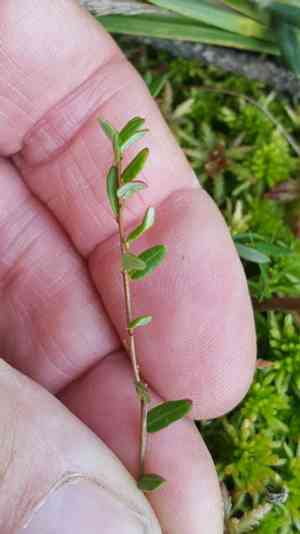
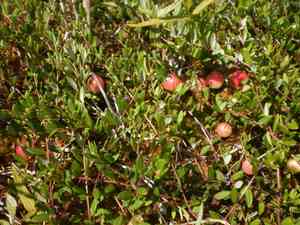
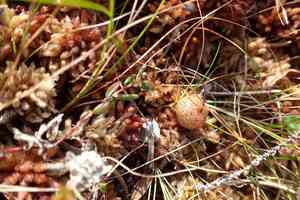
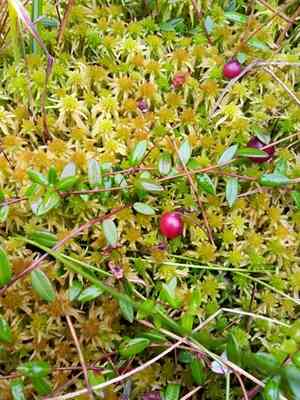
Quickly Identify Cranberry
1
Identify Vaccinium oxycoccos by its trailing vine-like stems, small and elliptical dark green leaves, and pink, star-shaped flowers. The berries are small, round, and bright red.
Scientific Classification of Cranberry
Phylum
Vascular plants
Class
Dicotyledons
Order
Ericales
Family
Heath
Genus
Blueberries
Species
Cranberry
Planting and Growing of Cranberry
Care Difficulty
Hard
Watering Schedule
Every 3 days
Sunlight Requirements
Partial sun
Sunshine Duration
4-8 hours
Ideal Temperature
60-75℉
Soil Type
Potting Mix, Peat Mix
Soil pH
3-5
Fertilizer Type
Balanced
Pruning Season
Spring, Summer
Pruning Area
Branches, Leaves
Pruning Frequency
2 times a year
Repotting Season
Spring
Pot Type
Plastic, Ceramic
 How to Water Cranberry?
Vaccinium oxycoccos, commonly known as small cranberry, thrives in wet, boggy conditions. When watering, ensure the soil is thoroughly moist but not waterlogged. Aim for about 250 ml each time, and allow the top layer of soil to dry slightly before watering again.
What are the symptoms of an underwatered Cranberry?
›
What should I do if my Cranberry is not getting enough water?
›
What are the symptoms of an overwatered Cranberry?
›
How to save an overwatered Cranberry?
›
 What Are the Sunlight Requirements for Cranberry?
Partial sun is ideal for Vaccinium oxycoccos, balancing sun exposure with protection from harsh rays. This condition supports optimal leaf and berry health, contributing to beautiful foliage and abundant yield.
More About Sunlight Requirements Techniques→
How much sunlight does Vaccinium oxycoccos ideally need?
›
What solutions can help Vaccinium oxycoccos achieve ideal light conditions?
›
What benefits do ideal lighting conditions offer Vaccinium oxycoccos?
›
 What Is the Ideal Temperature Range for Cranberry?
For the optimal growth of Vaccinium oxycoccos, maintaining temperatures between 60°F and 75°F is recommended. This range provides the necessary warmth to promote healthy plant development while avoiding stress from excessive heat. Consistent exposure to these temperatures helps ensure proper photosynthesis, nutrient uptake, and overall well-being of the plant.
 What Soil is Best for Cranberry?
Vaccinium oxycoccos thrives in soils that retain moisture well, like peat soil, which provides the wet conditions the plant naturally enjoys. This helps to ensure steady growth and berry production by maintaining adequate hydration. The plant demands acidic soil with a pH ranging from 3.0 to 5.0. It enables essential nutrient absorption and prevents disease, providing the proper environment for root health and vibrant foliage. A nutrient-rich soil boosts the plant's development, offering an abundance of organic matter. Peat soils, rich in nutrients, cater to this requirement, promoting lush growth and plentiful fruit.
 How to Fertilize Cranberry?
For Vaccinium oxycoccos, the amount of fertilizer should be carefully measured to prevent over-fertilization. Typically, a half-strength solution of liquid fertilizer is applied during the growing season. For slow-release fertilizers, a small scoop is sufficient to cover the nutrient needs for an extended period.
 How to Prune Cranberry?
Begin by sterilizing your tools to prevent disease spread. Identify any dead, diseased, or damaged wood and remove it. Focus next on thinning out crowded branches to improve air circulation. Shape the plant by cutting back long shoots just above a leaf node, ensuring an even distribution of branches.
More About Pruning Techniques→
 How to Propagate Cranberry plant?
1
To propagate using seeds, collect them from mature Vaccinium oxycoccos berries in autumn. Clean and dry the seeds properly before storing them in a cool, dry place until spring.
2
Select a healthy branch from a mature plant for cuttings. Cut at a 45-degree angle, and ensure each cutting is about 15 cm long with at least two leaf nodes for successful rooting.
3
Division involves separating a mature Vaccinium oxycoccos plant into smaller sections. Choose a plant with multiple crowns and use a sharp spade to divide it carefully without damaging the roots.
 How to Repot Cranberry plant?
1
Vaccinium oxycoccos should be repotted when it shows signs of being root-bound, or when the soil has degraded and compacted over time. This usually happens every couple of years. Other indicators include stunted growth, yellowing leaves, or water that pools at the surface instead of being absorbed.
2
Select a pot that is slightly larger than the previous one, ideally with good drainage holes to prevent waterlogging. A ceramic or terracotta pot is beneficial as it allows moisture to evaporate and prevents the roots from sitting in a wet environment. This encourages healthier root growth and helps prevent root rot.
3
Vaccinium oxycoccos thrives in acidic, well-drained soils rich in organic matter. A peat-based mix is ideal, as it mimics the plant's natural boggy habitat, providing the necessary acidity and moisture retention without being waterlogged. This promotes healthy root development and robust growth.



