
Elliott's blueberry (Vaccinium elliottii)
Also known as: Mayberry
Elliott's blueberry (Vaccinium elliottii) produces berries that are about 1.3 centimeters in diameter. This species, known for its fuchsia-colored flowers, thrives in the coastal plains of the southeastern United States.
In This Article
Attributes of Elliott's blueberry
Lifespan
Perennial
Plant Type
Shrub
Plant Height
1.2 m to 2 m
Spread
90 cm to 3 m
Leaf Color
Green Blue Red Bronze
Flower Size
2.5 cm
Flower Color
White Pink
Images of Elliott's blueberry
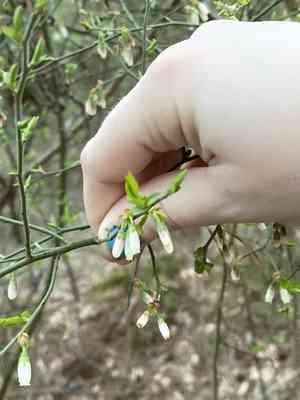
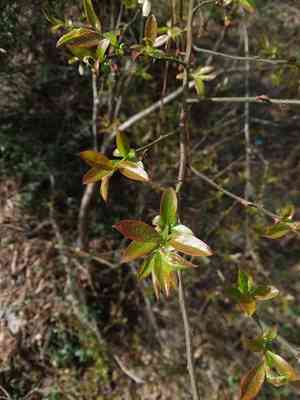
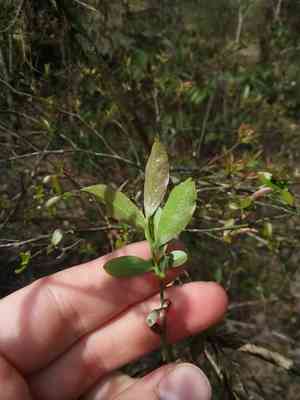
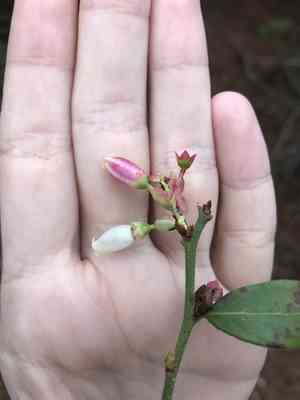
Quickly Identify Elliott's blueberry
1
2-3 inch (5-7.5 cm) long, elliptical leaves with shiny, dark green color and serrated margins.
2
Slender, green stem with smooth texture, branching, and vibrant green color in young shoots.
3
Elongated bell-shaped flowers in white or pink, 0.5-0.75 inches (1.3-1.9 cm) long.
4
Seasonal berries progressing from green to glossy black, small, spherical with bumpy texture.
5
Deep reddish-brown exfoliating bark, with rough texture and distinctive patchy appearance.
Scientific Classification of Elliott's blueberry
Phylum
Vascular plants
Class
Dicotyledons
Order
Ericales
Family
Heath
Genus
Blueberries
Species
Elliott's blueberry
Planting and Growing of Elliott's blueberry
Care Difficulty
Easy
Watering Schedule
Every 8 days
Sunlight Requirements
Partial sun
Sunshine Duration
4-8 hours
Ideal Temperature
60-75℉
Soil Type
Potting Mix, Peat Mix
Soil pH
4.5-5.5
Fertilizer Type
Balanced
Pruning Season
Spring, Summer
Pruning Area
Branches, Leaves
Pruning Frequency
2 times a year
Repotting Season
Spring
Pot Type
Terracotta, Plastic
 How to Water Elliott's blueberry?
Vaccinium elliottii requires moderate watering to maintain healthy growth. Aim to water each plant with approximately 250 ml of water per session to ensure soil is moist but not waterlogged. Follow the principle of checking the top inch of soil for dryness before additional watering. The goal is to provide the plant with enough moisture to support its growth without suffocating the roots.
What are the symptoms of an underwatered Elliott's blueberry?
›
What should I do if my Elliott's blueberry is not getting enough water?
›
What are the symptoms of an overwatered Elliott's blueberry?
›
How to save an overwatered Elliott's blueberry?
›
 What Are the Sunlight Requirements for Elliott's blueberry?
Partial sun exposure provides the best balance, ensuring the plant receives enough light without the extremes of intense sunlight. This optimal range supports vigorous growth and abundant fruiting.
More About Sunlight Requirements Techniques→
Best Time of Day for Sunlight
›
Solutions for Optimal Lighting
›
Benefits of Ideal Lighting
›
 What Is the Ideal Temperature Range for Elliott's blueberry?
Vaccinium elliottii thrives best in temperatures ranging from 60°F to 75°F. These temperatures simulate the plant's natural growing conditions, which promote optimal photosynthesis and growth. Maintaining such a temperature range ensures robust plant health, vigorous growth, and abundant fruiting, paralleling what it would experience in its native habitats.
 What Soil is Best for Elliott's blueberry?
Vaccinium elliottii thrives in well-drained soil that prevents waterlogging. This reduces root rot risk, ensuring robust plant growth. Moderate moisture retention is crucial. It maintains consistent soil moisture, preventing stress from drought and promoting healthy fruiting. Rich in organic matter, the soil promotes nutrient availability, enhancing plant vigor and productivity.
 How to Fertilize Elliott's blueberry?
For Vaccinium elliottii, apply liquid fertilizer at a rate of 1/4 to 1/2 teaspoon per gallon of water. This helps in providing a steady nutrient supply. For slow-release fertilizers, use approximately 1 tablespoon per square foot, ensuring nutrients are slowly released over time.
 How to Prune Elliott's blueberry?
Remove any branches that appear dead, diseased, or damaged. This prevents the spread of disease and creates space for new growth. Cut out some of the older, less productive stems to improve air circulation and sunlight exposure, enhancing the health of the plant. Prune the plant to maintain a balanced shape. Trim back any excessively long shoots to keep the bush’s form compact and visually appealing.
More About Pruning Techniques→
 How to Propagate Elliott's blueberry plant?
1
Harvest seeds from ripe berries, usually after the fruit has matured. Ensure the berries are fresh and free from disease for healthy seed collection.
2
Choose healthy, non-flowering shoots. Cut a 4-6 inch section just below a leaf node and remove the lower leaves to expose the stem.
3
Select a low-growing branch, bend it to soil level and cover part of it with earth while keeping the tip exposed. Secure it to encourage root growth at the contact point.
 How to Repot Elliott's blueberry plant?
1
Observe for signs of distress like stunted growth or roots poking out of the drainage holes. These signs indicate it's time for a larger pot to allow for optimal root expansion and health.
2
Select a pot with excellent drainage properties, ideally made of breathable materials like clay or terracotta. This prevents waterlogging, promoting healthy root development and reducing the risk of root rot.
3
Opt for acidic, well-draining soil with a blend of organic matter. This composition mimics the plant's natural habitat, enhancing nutrient availability and ensuring that excess water flows away efficiently.
Learn More About Elliott's blueberry Diseases
Anthracnose
Bacterial Leaf Spot
Bacterial Wilt
Crown Gall
Cyst Nematode
Damping-off
Downy Mildew
Drought Stress
Fusarium Wilt
Gray Mold
Leaf Spot
Mosaic
Nutrient Deficiency
Nutrient Toxicity
Powdery Mildew
Root Rot
Root-knot Nematode
Rusts
Sooty Mold
Spider Mites
Temperature Stress
Thrips Damage
White Mold



