How to Prune Elliott's blueberry?
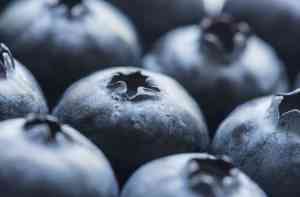
This leaf-shedding bush, celebrated for its delicious fruit and brilliant autumn leaves, flourishes with proper attention. For elliott's blueberry, essential trimming methods involve reducing older stalks to foster fresh development and eliminating intersecting or compromised limbs to preserve the plant's well-being. The ideal time for pruning is in late winter to early spring, prior to the emergence of new shoots. Trimming boosts berry yield and air movement, which are vital for the plant's robustness and protection against ailments in this variety.
What Are the Benefits of Pruning Elliott's Blueberry?
What Are the Benefits of Pruning Elliott's Blueberry?
Trimming elliott's blueberry is crucial for promoting robust development and maintaining its desired form. Strategic cuts encourage fruit production, lessen disease, and improve appearance, ensuring elliott's blueberry's health and output.
What Is the Best Time for Pruning Elliott's Blueberry?
What Is the Best Time for Pruning Elliott's Blueberry?
Pruning elliott's blueberry in late winter or early spring is considered ideal as it coincides with the plantâs dormant phase before new growth starts. This timing allows gardeners to easily view the plant's structure without leaf obstruction, enabling better decisions on which branches to remove. It also minimizes disease infection risk and stress on elliott's blueberry, as cuts heal before the active growing season. Pruning at this time is vital for maintaining elliott's blueberry's health and vigor, as it stimulates strong new shoots that will bear fruit in subsequent seasons. Furthermore, removing dead or diseased wood before the plantâs energy is directed towards spring growth helps ensure efficient resource use, contributing to a robust flowering and fruiting period.
What Tools Do I Need to Prune Elliott's Blueberry?
Hand Pruners
Perfect for cutting elliott's blueberry's shoots and slender branches. Hand pruners deliver precise cuts and are easy to manage, minimizing plant harm.
Loppers
Useful for larger elliott's blueberry branches that hand pruners cannot manage due to their thickness. Loppers extend reach and leverage, making pruning less strenuous.
Pruning Saw
Required for the thickest elliott's blueberry branches too large for hand pruners or loppers. A pruning saw helps make accurate cuts without tearing the bark.
Pruning Shears
Beneficial for shaping and maintaining elliott's blueberry's overall structure, especially during dormancy when thinning dense growth.
Gloves
Protect the gardener's hands from sharp branches and twigs when pruning elliott's blueberry. Durable gloves are recommended for safety and comfort.
Disinfectant
Used for cleaning tools before and after pruning elliott's blueberry to prevent disease spread. A diluted bleach solution or rubbing alcohol works effectively.
How to Prune Elliott's Blueberry
Step1: Inspect Plant for Old and Diseased Wood
Examine elliott's blueberry before pruning. Identify old wood by its thicker, rougher texture and darker color compared to newer, smoother, lighter green canes. Also, look for diseased wood, which may show signs of fungal infection or rot, and any broken stems damaged by weather, pests, or physical injury.
Step2: Sanitize Pruning Tools to Prevent Disease Spread
Sanitize your pruning tools before starting and between cuts if diseased wood is present. Use a solution of 1 part bleach to 9 parts water to prevent disease spread among elliott's blueberry plants.
Step3: Remove Diseased and Broken Stems First
Begin by removing any diseased or broken stems first. Make clean cuts with sharp pruning shears, cutting back to a point just above a healthy bud or lateral branch. Dispose of diseased material properly, away from healthy plants.
Step4: Cut Old Wood to Promote New Vigorous Growth
Prune old wood to rejuvenate elliott's blueberry and encourage new growth, which will be more productive. Identify canes older than four years and cut them at the base of the plant. These are typically less fruitful and can be removed to direct energy to younger, more vigorous canes.
Step5: Thin Plant for Better Air Circulation and Light
Thin elliott's blueberry to maintain an open, vase-like shape. This improves air circulation and light penetration, crucial for plant health and berry production. Remove any canes that are rubbing against each other, are too close, or are growing towards the plant's center.
Step6: Prune to Outward-Facing Buds for Open Structure
Cut the remaining old wood down to a healthy outward-facing bud or lateral branch. This promotes better branching and a more open structure. Always make cuts at a 45-degree angle to prevent water buildup on the cut surface, which can lead to rot.
Step7: Dispose of Pruned Material to Avoid Pest Issues
After completing cuts, clear all pruned material from around elliott's blueberry's base to prevent pest and disease spread. Composting healthy pruned material is acceptable, while diseased parts should be destroyed or disposed of as advised by local regulations.
Step8: Fertilize After Pruning for Nutrient Support
Finish by applying a balanced fertilizer to elliott's blueberry in early spring to support new growth. Follow local extension service recommendations for the appropriate type and amount of fertilizer for elliott's blueberry.
Step9: Monitor Plant for Stress and Maintain Moisture
Monitor elliott's blueberry for stress signs after pruning and continue to provide adequate water and mulch to maintain soil moisture and reduce stress risk, which can make elliott's blueberry more susceptible to disease.
Post-Pruning Care for Elliott's Blueberry
Post-Pruning Care for Elliott's Blueberry
After pruning elliott's blueberry, water immediately to hydrate and settle the soil. Manage environmental conditions by ensuring partial shade to avoid sunscald and maintain humidity around 50-60%. Keep temperatures between 60-75°F. Apply a balanced, slow-release fertilizer to aid recovery, avoiding high nitrogen concentrations. Monitor elliott's blueberry for wilt or discolored leaves, indicating stress or infection, and treat promptly with appropriate fungicides or pest control methods if necessary.
Common Pruning Mistakes with Elliott's Blueberry
Over-Pruning Old Wood Reduces Yield
Cutting too much old wood can decrease the current season's yield, as elliott's blueberry bears fruit on old wood.
Aggressive Pruning Can Shock Plant
Pruning too aggressively and removing too many canes at once can shock the plant and hinder its growth.
Ignoring Diseased Wood Risks Health
Neglecting to remove diseased or damaged wood, which can lead to poor air circulation and foster disease.
Common Pruning Tips for Elliott's Blueberry
Prune Old Canes Gradually for Fruitfulness
Remove only about one-quarter to one-third of the oldest canes each year, allowing elliott's blueberry to maintain fruitful branches.
Thin Canopy for Better Sunlight and Air
Focus on thinning the canopy to improve sunlight penetration and air circulation, which are crucial for elliott's blueberry's health.
Remove Twiggy Growth for Stronger Branches
Prune out any twiggy growth to direct the plant's energy towards producing larger, healthier berries on stronger branches.
Use Sharp Tools for Clean Cuts
Always use clean, sharp pruning tools to make clean cuts that elliott's blueberry can heal quickly from, reducing disease risk.



