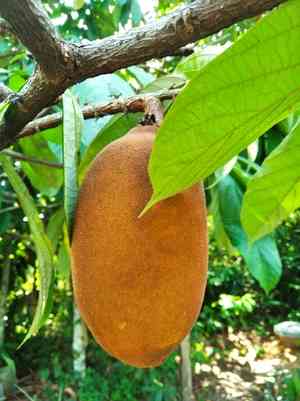
Theobroma (Theobroma grandiflorum)
Also known as: Cupuassu, Large-flowered cocoa
A popular tropical fruit tree found in Brazil, the flesh of the theobroma fruit is edible and the flesh is commonly consumed plain or made into ice cream or jam. The seeds are used to make cacao butter and powder. The wood of the tree is also harvested for making cabinets and the internal structure of walls.
In This Article
Attributes of Theobroma
Lifespan
Perennial
Plant Type
Tree
Plant Height
10-20 meters
Spread
5-8 meters
Leaf Color
Dark green
Flower Size
2-3 cm
Flower Color
White Red
Images of Theobroma
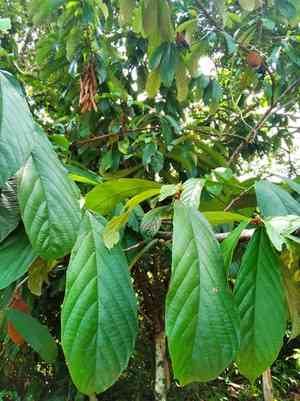
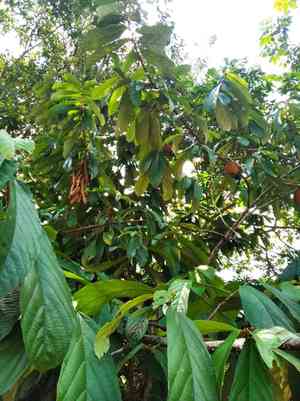
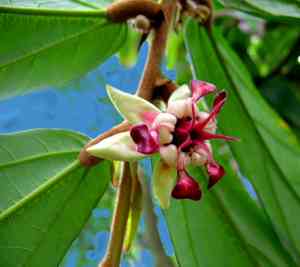
Quickly Identify Theobroma
1
Theobroma grandiflorum can be identified by its large, oblong leaves, up to 30-40 cm in length, and its large flowers, which are about 2-3 cm in diameter with a white or pinkish hue. The fruit is large and oblong, with a thick rind and a creamy pulp inside.
Scientific Classification of Theobroma
Phylum
Vascular plants
Class
Dicotyledons
Order
Malvales
Family
Mallow
Genus
Theobroma
Species
Theobroma
Planting and Growing of Theobroma
Care Difficulty
Hard
Watering Schedule
Every 4 days
Sunlight Requirements
Partial sun
Sunshine Duration
6-10 hours
Ideal Temperature
70-90℉
Soil Type
Potting Mix, Peat Mix
Soil pH
6.5-7.5
Fertilizer Type
Balanced
Pruning Season
Spring, Summer
Pruning Area
Branches, Leaves
Pruning Frequency
2 times a year
Repotting Season
Spring
Pot Type
Plastic, Ceramic
 How to Water Theobroma?
Theobroma grandiflorum, also known as cupuaçu, thrives with deep but infrequent watering. Each session should provide around 500 ml, ensuring moisture reaches the root depth without oversaturating the soil. The key is to maintain a balance where the soil remains lightly moist but never waterlogged, mimicking the tropical environment it naturally grows in.
What are the symptoms of an underwatered Theobroma?
›
What should I do if my Theobroma is not getting enough water?
›
What are the symptoms of an overwatered Theobroma?
›
How to save an overwatered Theobroma?
›
 What Are the Sunlight Requirements for Theobroma?
Partial sun ensures optimal health for Theobroma grandiflorum. This range allows it to photosynthesize effectively while avoiding the risks of excessive light, promoting vigorous growth and fruit production.
More About Sunlight Requirements Techniques→
What is the ideal light for Theobroma grandiflorum?
›
How to achieve ideal light conditions for Theobroma grandiflorum?
›
Benefits of ideal lighting for Theobroma grandiflorum?
›
 What Is the Ideal Temperature Range for Theobroma?
Theobroma grandiflorum thrives best in warm climates with temperatures ranging from 70°F to 90°F. This range ensures optimal metabolic processes and growth. Maintaining this temperature range helps the plant produce its characteristic fruit efficiently and boosts photosynthetic activity. Any temperature outside this range may lead to suboptimal growth and stress the plant.
 What Soil is Best for Theobroma?
Theobroma grandiflorum thrives in well-drained soils that allow excess water to flow away easily, preventing root rot and encouraging healthy root systems. This plant benefits from soils rich in organic matter, which provides essential nutrients and improves soil structure, aiding in robust growth. Theobroma grandiflorum prefers slightly acidic to neutral pH levels, optimizing nutrient availability and ensuring a balanced uptake for optimal plant health.
 How to Fertilize Theobroma?
For Theobroma grandiflorum, a balanced fertilizer such as 10-10-10 NPK is recommended. Use approximately 250 grams for mature trees and 100 grams for young plants. Apply evenly around the root zone and ensure thorough watering after application to prevent root burn.
 How to Prune Theobroma?
Begin pruning by removing any dead, diseased, or damaged branches. Use clean and sharp pruning shears to make smooth cuts close to the main stem. Focus on thinning out congested areas to improve airflow. Avoid cutting too close to the main trunk to prevent damage, aiming for a clean finish that promotes new growth.
 How to Propagate Theobroma plant?
1
Ensure the seeds are ripe and disease-free. Soak them in water for 24 hours to aid in breaking dormancy and enhancing germination rates. This step is particularly important for tough seed coats.
2
Select healthy, disease-free branches during the early part of the day when they are full of moisture. Cut just below a node using clean, sharp scissors to prevent damage and disease entry.
3
For both seeds and cuttings, plant them in well-draining soil mix. Keep the soil consistently moist and place in a warm, bright, but indirect sunlight location to prevent drying out and sunburn.
 How to Repot Theobroma plant?
1
Repot Theobroma grandiflorum when you notice roots crowding the pot or growing out of drainage holes. A clear signal is when the plant's growth seems stunted or it requires frequent watering. Typically, this occurs every 2-3 years during its active growth period.
2
Choose a pot that is only slightly larger than the current one. Opt for a container with adequate drainage to prevent waterlogging. Using a correctly sized pot ensures stability for the plant while avoiding excess soil that can lead to root rot.
3
Select a well-draining soil mix rich in organic material. A mixture containing peat, sand, and compost is ideal. This kind of soil provides the necessary nutrients while ensuring that excess water drains away, preventing root rot and encouraging healthy growth.
Learn More About Theobroma Diseases
Anthracnose
Bacterial Leaf Spot
Bacterial Soft Rot
Bacterial Wilt
Black Spot
Chemical Injury
Crown Gall
Damping-off
Downy Mildew
Drought Stress
Fusarium Wilt
Gray Mold
Leaf Curl
Leaf Spot
Mosaic
Nutrient Deficiency
Nutrient Toxicity
Powdery Mildew
Root Rot
Root-knot Nematode
Rusts
Sooty Mold
Spider Mites
Temperature Stress
Thrips Damage
White Mold



