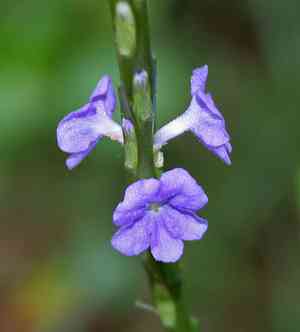
Blue porterweed (Stachytarpheta jamaicensis)
Also known as: Light-blue snakeweed, Bastard vervain, Joee
Blue porterweed originates from the Caribbean. In regions beyond its native habitat, it is frequently regarded as an invasive species.
In This Article
Attributes of Blue porterweed
Lifespan
Perennial, Annual
Plant Type
Herb
Plant Height
60 cm to 2 m
Spread
1.2 m to 2.5 m
Leaf Color
Green Blue
Flower Size
2.5 cm
Flower Color
Purple Blue
Images of Blue porterweed
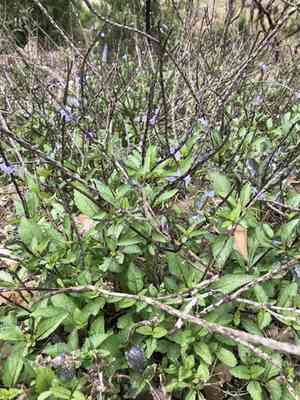
Quickly Identify Blue porterweed
1
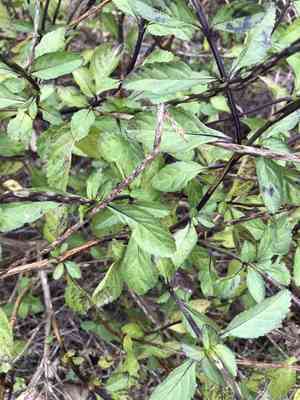
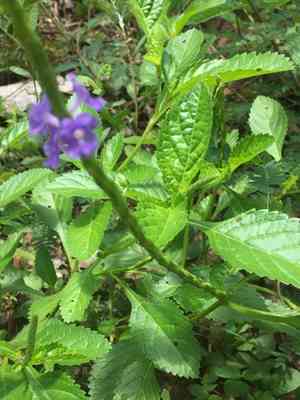
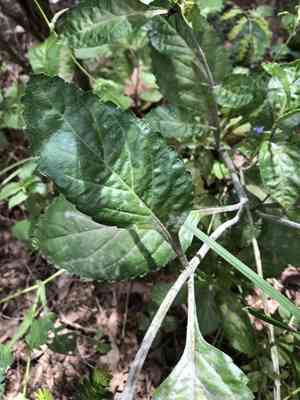
This plant can be identified by its slender spikes of blue to purple flowers, opposite and serrated leaves, and a bushy growth habit. It often produces long, thin spikes that hold the flowers above the foliage.
Scientific Classification of Blue porterweed
Phylum
Vascular plants
Class
Dicotyledons
Order
Lamiales
Family
Verbena
Genus
Porterweeds
Species
Blue porterweed
Planting and Growing of Blue porterweed
Care Difficulty
Easy
Watering Schedule
Every 6 days
Sunlight Requirements
Full sun
Sunshine Duration
6-10 hours
Ideal Temperature
75-85℉
Soil Type
Potting Mix, Peat Mix
Soil pH
6.5-7.5
Fertilizer Type
Balanced
Pruning Season
Spring, Summer
Pruning Area
Branches, Leaves
Pruning Frequency
2 times a year
Repotting Season
Spring
Pot Type
Plastic, Ceramic
 How to Water Blue porterweed?
When watering Stachytarpheta jamaicensis, ensure the soil is evenly moist but not waterlogged. Aim for about 500 ml per watering session to reach the root zone, promoting healthy growth without drowning the roots. Check that water has seeped to a depth of about 6 inches by poking your finger into the soil. Remember, the soil should be just damp, resembling a wrung-out sponge.
What are the symptoms of an underwatered Blue porterweed?
›
What should I do if my Blue porterweed is not getting enough water?
›
What are the symptoms of an overwatered Blue porterweed?
›
How to save an overwatered Blue porterweed?
›
 What Are the Sunlight Requirements for Blue porterweed?
Stachytarpheta jamaicensis thrives best under full sun to partial sun conditions. Ideally, it should receive six to eight hours of sunlight daily, helping to reach maximum flowering and foliage potential.
Optimal Sunlight Exposure
›
Adjusting Sunlight for Growth
›
Enhancing Plant Health
›
 What Is the Ideal Temperature Range for Blue porterweed?
The ideal temperature range for Stachytarpheta jamaicensis is between 75°F and 85°F. This tropical plant thrives in warm conditions. Providing this range helps ensure healthy growth and vibrant blooms, promoting optimal physiological processes like photosynthesis and respiration.
 What Soil is Best for Blue porterweed?
Stachytarpheta jamaicensis thrives in well-drained soil conditions to prevent waterlogging, which benefits by promoting healthy root development and preventing root rot. Requiring moderate nutrient levels means that the plant can grow well without excessive fertilization, preventing nutrient burn and promoting balanced growth. While the soil should be well-drained, it should also retain some moisture to sustain the plant, providing the right balance for healthy growth and vibrant blooming.
 How to Fertilize Blue porterweed?
For Stachytarpheta jamaicensis, use a balanced fertilizer with an N-P-K ratio of 10-10-10. When applying liquid fertilizer, dilute it to half the recommended strength to avoid root burn. A typical application would be one tablespoon of the diluted mixture per gallon of water.
 How to Prune Blue porterweed?
Start by identifying which stems need to be pruned. Focus on those that are either dead, diseased, or growing out of the desired shape. A balanced approach is key to maintaining a neat and healthy appearance. Use sharp, sterilized shears to make clean cuts on the stems you wish to trim. Cutting at a 45-degree angle just above a leaf node encourages new growth and prevents water from accumulating on the cut surfaces, reducing the risk of disease. As you prune, shape the plant to your desired form. Removing stems that crowd others helps ensure that sunlight and air reach the inner parts of the plant, which can prevent fungus and promote healthier growth.
 How to Propagate Blue porterweed plant?
1
Use a well-draining potting mix for seeds or cuttings. Ensure the soil is moist but not waterlogged to promote optimal root growth.
2
Sow seeds evenly on the soil surface, then lightly cover them with a thin layer of soil. Mist gently with water to avoid disturbing the seeds.
3
Select a healthy stem and cut a segment about 4-6 inches long. Remove lower leaves and dip the cut end in rooting hormone before planting.
 How to Repot Blue porterweed plant?
1
Repot when roots outgrow the pot or when growth slows. It's time for a new pot when you notice roots circling the surface or poking through the drainage holes. These signs indicate the plant needs more room for healthy growth and access to fresh soil nutrients.
2
Select a pot slightly larger than the current one, with drainage holes to prevent water logging. A terracotta pot can be beneficial as it allows air to circulate to the roots, reducing the risk of rot and promoting a healthy environment for root growth.
3
Opt for a well-draining soil mix, one that retains moisture but still allows excess water to escape. This prevents root rot and ensures the plant has the right balance of moisture and aeration, crucial for robust growth and health.
Learn More About Blue porterweed Diseases
Anthracnose
Bacterial Leaf Spot
Bacterial Wilt
Chemical Injury
Crown Gall
Cyst Nematode
Damping-off
Downy Mildew
Drought Stress
Fusarium Wilt
Gray Mold
Leaf Spot
Mosaic
Nutrient Deficiency
Nutrient Toxicity
Powdery Mildew
Root Rot
Root-knot Nematode
Rusts
Sooty Mold
Spider Mites
Temperature Stress
Thrips Damage
White Mold



