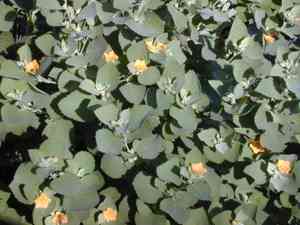
Yellow ‘ilima (Sida fallax)
Also known as: Yellow 'ilima
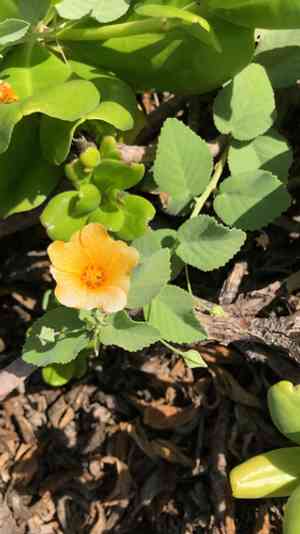
The yellow 'ilima is an indigenous Hawaiian flower known for its year-round blooming and edible flowers. Designated as the official flower of Oahu, its vibrant yellow to reddish blossoms are traditionally used to craft culturally significant leis in Hawaii.
In This Article
Attributes of Yellow ‘ilima
Lifespan
Perennial
Plant Type
Shrub
Plant Height
30 cm to 3 m
Spread
1 to 2 meters (3.3 to 6.6 feet)
Leaf Color
Green
Flower Size
2 to 5 centimeters (0.8 to 2 inches)
Flower Color
Yellow
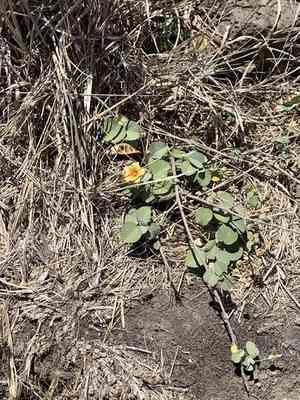
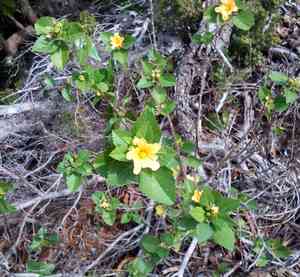
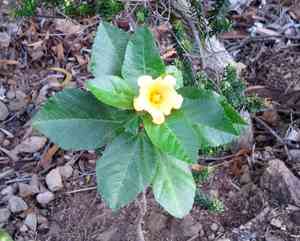
Images of Yellow ‘ilima
Quickly Identify Yellow ‘ilima
1
Sida fallax can be identified by its woody base, oval-shaped leaves, and bright yellow, hibiscus-like flowers. The undersides of the leaves are usually hairy, and the plant often forms dense thickets in its natural habitat.
Scientific Classification of Yellow ‘ilima
Phylum
Vascular plants
Class
Dicotyledons
Order
Malvales
Family
Mallow
Genus
Fanpetals
Species
Yellow ‘ilima
Planting and Growing of Yellow ‘ilima
Care Difficulty
Moderate
Watering Schedule
Every 4 days
Sunlight Requirements
Full sun
Sunshine Duration
6-10 hours
Ideal Temperature
65-80℉
Soil Type
Potting Mix, Peat Mix
Soil pH
6.5-7.5
Fertilizer Type
Balanced
Pruning Season
Spring, Summer
Pruning Area
Branches, Leaves
Pruning Frequency
2 times a year
Repotting Season
Spring
Pot Type
Plastic, Ceramic
 How to Water Yellow ‘ilima?
Sida fallax prefers its soil to be kept evenly moist but not waterlogged. When watering, aim to thoroughly moisten the soil without leaving it soaked. A rule of thumb is to provide around 250 milliliters of water per session, ensuring that the top 1-2 inches of soil are adequately dampened.
What are the symptoms of an underwatered Yellow ‘ilima?
›
What should I do if my Yellow ‘ilima is not getting enough water?
›
What are the symptoms of an overwatered Yellow ‘ilima?
›
How to save an overwatered Yellow ‘ilima?
›
 What Are the Sunlight Requirements for Yellow ‘ilima?
4-6 hours of full sun is optimal. Sida fallax benefits from such light exposure by optimizing photosynthesis, enhancing growth, and encouraging plentiful flowering.
What is the best light for Sida fallax?
›
What are the solutions to achieve ideal lighting?
›
What are the benefits of receiving ideal light?
›
 What Is the Ideal Temperature Range for Yellow ‘ilima?
The ideal temperature range for cultivating Sida fallax is between 65°F and 80°F. This range is optimal as it mimics the plant’s native environment, ensuring robust growth and flowering. Temperature stability within this range allows the plant to efficiently perform photosynthesis and other metabolic processes.
 What Soil is Best for Yellow ‘ilima?
Sida fallax thrives in soil with excellent drainage as it prevents root rot and other moisture-related issues. Well-drained soil ensures that the plant can absorb the nutrients it needs without the risk of oversaturation. This plant prefers moderate nutrient levels, typical of sandy loams. It doesn't require highly fertile soil, making it easy to maintain even in less nutrient-rich environments, ensuring steady and controlled growth. The soil should allow air to circulate freely around the roots, promoting healthy root development. This is crucial for nutrient uptake and for the overall health and vigor of Sida fallax.
 How to Fertilize Yellow ‘ilima?
For Sida fallax, apply a balanced fertilizer at a rate of 2 grams per square foot. If using a liquid type, dilute it to half the recommended strength. The nutrients should be balanced among nitrogen, phosphorus, and potassium to support lush growth and healthy flowering.
 How to Prune Yellow ‘ilima?
Always clean your pruning tools before and after use to prevent the spread of disease. Wear gloves to protect your hands from any rough branches or potential allergens. Be mindful not to prune too late in autumn, as new growth might not have enough time to establish before winter, potentially weakening the plant.
More About Pruning Techniques→
 How to Propagate Yellow ‘ilima plant?
1
Use a well-draining potting mix to fill seed trays or small pots. Loosen the soil to ensure adequate aeration, improving both moisture retention and drainage. Avoid compacting the soil to promote root growth.
2
Scatter the seeds over the soil surface, lightly covering them with a thin layer of soil. Ensure even distribution and do not bury seeds too deeply as this can hinder germination. Water gently to keep the soil moist.
3
Select healthy, non-flowering stems and cut sections about 4-6 inches long. Remove leaves from the lower part of the cutting to reduce moisture loss. Dip the cut end in rooting hormone to encourage rooting.
 How to Repot Yellow ‘ilima plant?
1
Look for signals such as roots growing out of the pot's drainage holes, or a noticeable slowdown in growth rate. These signs indicate the need for repotting. Ideally, plan to repot during growth periods in spring or autumn, which allows the plant to recover more swiftly.
2
Select a pot that is 1-2 inches larger in diameter than the current one. This size allows for root growth without overwhelming the plant. Ensure it has ample drainage holes to prevent waterlogging and root rot. A terracotta pot is beneficial as it helps with moisture regulation.
3
Opt for a well-draining, sandy potting mix. This type of soil mimics the plant's natural habitat and prevents water retention, which can cause root diseases. A blend with perlite or pumice is excellent to improve aeration and drainage.
Learn More About Yellow ‘ilima Diseases
Anthracnose
Bacterial Leaf Spot
Bacterial Wilt
Black Spot
Chemical Injury
Crown Gall
Cyst Nematode
Damping-off
Downy Mildew
Drought Stress
Fusarium Wilt
Gray Mold
Leaf Curl
Leaf Spot
Mosaic
Nutrient Deficiency
Nutrient Toxicity
Powdery Mildew
Root Rot
Root-knot Nematode
Rusts
Sooty Mold
Spider Mites
Temperature Stress
Thrips Damage
White Mold



