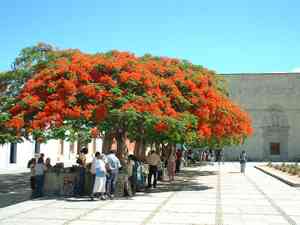
Argentine senna (Senna corymbosa)
Also known as: Argentina senna, Texas flowery senna, Autumn cassia
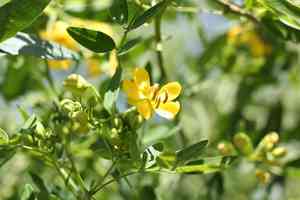
Argentine senna (Senna corymbosa) is an evergreen shrub that can reach heights of 2.5 to 3 meters. It produces striking yellow flowers in the spring. For optimal growth, it requires full sun and well-drained soil. This plant is both heat and drought-tolerant, making it ideal for warm climates. It can be used effectively as a hedge or border plant. However, it’s important to note that in some regions, it may become invasive. Regular pruning can help manage its growth and promote flowering.
In This Article
Attributes of Argentine senna
Lifespan
Perennial
Plant Type
Tree, Shrub
Plant Height
1 m
Spread
1.2 m to 1.8 m
Leaf Color
Green
Flower Size
2.5 cm
Flower Color
Yellow
Images of Argentine senna
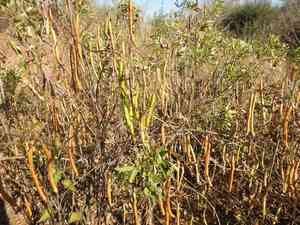
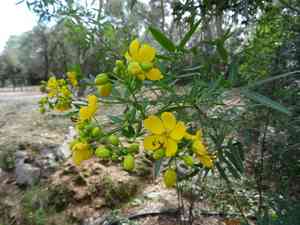
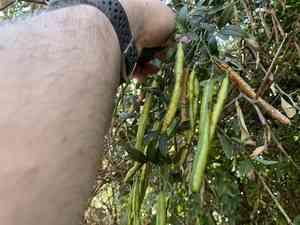
Quickly Identify Argentine senna
1
Look for bright yellow flowers arranged in clusters, bipinnate leaves with 4-6 pairs of leaflets, and an overall shrubby or small tree form that can grow up to 2-3 meters tall.
Scientific Classification of Argentine senna
Phylum
Vascular plants
Class
Dicotyledons
Order
Fabales
Family
Legume
Genus
Sennas
Species
Argentine senna
Planting and Growing of Argentine senna
Care Difficulty
Easy
Watering Schedule
Every 2 days
Sunlight Requirements
Full sun
Sunshine Duration
4-8 hours
Ideal Temperature
65-75℉
Soil Type
Potting Mix, Peat Mix
Soil pH
6.5-7.5
Fertilizer Type
Balanced
Pruning Season
Spring, Summer
Pruning Area
Branches, Leaves
Pruning Frequency
2 times a year
Repotting Season
Spring
Pot Type
Plastic, Ceramic
 How to Water Argentine senna?
When watering Senna corymbosa, aim to moisten the soil thoroughly until water begins to drain from the bottom of the pot. This ensures that the entire root system receives adequate moisture, preventing dry pockets that can stress the plant. The soil should be evenly moist but not saturated between waterings.
What are the symptoms of an underwatered Argentine senna?
›
What should I do if my Argentine senna is not getting enough water?
›
What are the symptoms of an overwatered Argentine senna?
›
How to save an overwatered Argentine senna?
›
 What Are the Sunlight Requirements for Argentine senna?
Senna corymbosa flourishes best under full sun to partial sun conditions. In this ideal light range, the plant can maximize photosynthetic activity, resulting in vigorous growth, more blooms, and enhanced vibrancy, making it an attractive addition to any garden.
More About Sunlight Requirements Techniques→
Question: What are the best light conditions for Senna corymbosa?
›
Solution: How can I provide the ideal lighting for my Senna corymbosa?
›
Benefits: What are the benefits of providing ideal light conditions for this plant?
›
 What Is the Ideal Temperature Range for Argentine senna?
Senna corymbosa thrives best in temperatures ranging from 65°F to 75°F. This range provides the optimal conditions for growth, promoting healthy leaf production and vibrant flowering. Maintaining this temperature range ensures that metabolic processes occur efficiently, and the plant can absorb nutrients effectively.
 What Soil is Best for Argentine senna?
Senna corymbosa thrives in soils with excellent drainage to prevent root rot and other water-related issues. Ensuring the soil doesn't retain excessive moisture is crucial for the plant's root health and overall vitality. This plant benefits from nutrient-rich soil, which provides essential minerals and nutrients for healthy growth and vibrant flowering. Regularly fertilizing the soil can help maintain its nutrient content and promote strong development. The soil should have moderate moisture retention to ensure the plant has enough water to sustain its growth, especially during dry periods. A balance between moisture retention and drainage is key to its successful cultivation.
 How to Fertilize Argentine senna?
Senna corymbosa benefits from balanced fertilization. Use a 10-10-10 liquid fertilizer and apply about 1 tablespoon per gallon of water. For slow-release granules, use 1 teaspoon per square foot if planted outdoors. Adjust amounts based on plant size and growth stage.
 How to Prune Argentine senna?
Start by removing any dead, diseased, or damaged branches. Use clean, sharp shears to make clean cuts. After addressing the unhealthy parts, proceed to trim back the longer branches to encourage a fuller shape. Aim to create an open center to allow sunlight to penetrate, which fosters healthier growth. Remember to step back occasionally to assess the plant's shape and ensure a balanced appearance. For older Senna corymbosa plants that have become woody or sparse, a more severe pruning might be necessary to rejuvenate them. This involves cutting back the older wood significantly, sometimes up to one-third of the plant. This process stimulates new growth and revitalizes the plant. However, take care not to remove too much at once; give the plant time to recover and regrow.
More About Pruning Techniques→
 How to Propagate Argentine senna plant?
1
Before planting, soak Senna corymbosa seeds in warm water for 24 hours to soften the seed coat. This process helps in breaking dormancy and improves germination rates.
2
Select healthy, non-flowering stems of Senna corymbosa for cuttings. Make a clean cut below the node with a sharp knife, and remove the lower leaves to reduce water loss.
3
Place the prepared seeds or cuttings into a well-draining potting mix. For seeds, cover lightly with soil, and for cuttings, insert them into the soil up to the node.
 How to Repot Argentine senna plant?
1
Repot when you notice roots emerging from the drainage holes or if the growth significantly slows down. Another indication is when the soil drains water too quickly, suggesting the plant has outgrown its current space. Opt to repot during the late spring or early summer when the plant is in its growing phase for the least shock.
2
Select a pot that's about one size larger than the current one. Ensure it has adequate drainage holes to prevent waterlogging. Using a slightly larger pot avoids excess soil that stays moist too long, which can lead to root rot. A clay or terracotta pot is preferred as it allows better air circulation and moisture evaporation.
3
Use a rich, well-draining soil mix to repot your Senna corymbosa. A blend containing loam, sand, and organic matter is ideal. The well-draining nature of the soil ensures the plant's roots receive adequate air, preventing root rot and promoting overall healthy root development.
Learn More About Argentine senna Diseases
Anthracnose
Bacterial Leaf Spot
Bacterial Soft Rot
Bacterial Wilt
Black Spot
Chemical Injury
Crown Gall
Cyst Nematode
Damping-off
Drought Stress
Fusarium Wilt
Gray Mold
Leaf Spot
Mosaic
Nutrient Deficiency
Nutrient Toxicity
Powdery Mildew
Root Rot
Root-knot Nematode
Rusts
Sooty Mold
Spider Mites
Temperature Stress
Thrips Damage
White Mold



