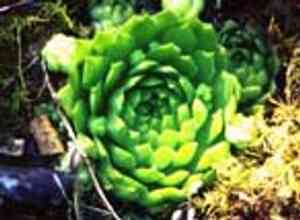
Woodland stonecrop (Sedum ternatum)
Also known as: Stonecrop, Iceland moss, Whorled stonecrop
Mayapple (Podophyllum peltatum) is a herbaceous flowering plant indigenous to the eastern and central United States. It naturally thrives in the shaded understories of forests and easily adjusts to garden settings. Mayapple is adept at retaining moisture, even in shallow soils.
In This Article
Attributes of Woodland stonecrop
Lifespan
Perennial
Plant Type
Succulent, Herb
Plant Height
7 cm to 15 cm
Spread
15 cm to 22 cm
Leaf Color
Green
Flower Size
2.5 cm
Flower Color
White
Images of Woodland stonecrop
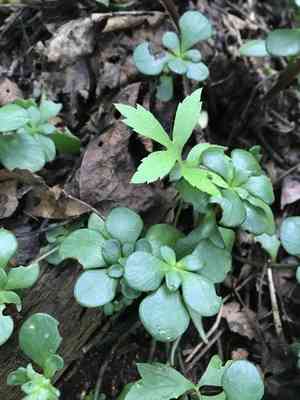
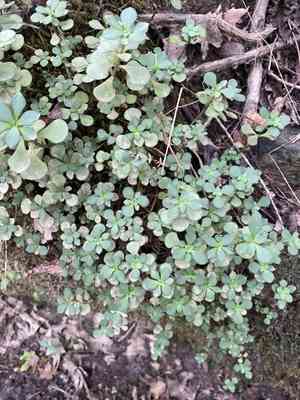
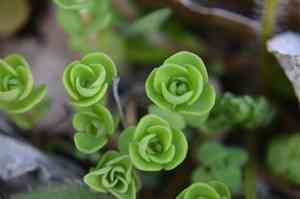
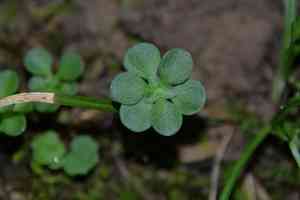
Quickly Identify Woodland stonecrop
1
Whorls of 3 shiny, bright green leaves, 0.5–1 inch (1.3–2.5 cm) long.
2
Low, spreading mat reaching 6 inches (15 cm) in height, sprawls to 12 inches (30 cm) wide.
3
Clusters of star-shaped, white flowers with delicate stems above foliage.
4
Flat or rounded medium green leaves in whorls of three, smooth texture.
5
Arching, slender stem 0.1-0.3 inches (0.25-0.75 cm) diameter, light green to reddish-brown.
Scientific Classification of Woodland stonecrop
Phylum
Vascular plants
Class
Dicotyledons
Order
Saxifragales
Family
Stonecrop
Genus
Stonecrops
Species
Woodland stonecrop
Planting and Growing of Woodland stonecrop
Care Difficulty
Easy
Watering Schedule
Every 2 days
Sunlight Requirements
Partial sun
Sunshine Duration
4-8 hours
Ideal Temperature
65-75℉
Soil Type
Potting Mix, Peat Mix
Soil pH
6.5-7.5
Fertilizer Type
Balanced
Pruning Season
Spring, Summer
Pruning Area
Branches, Leaves
Pruning Frequency
2 times a year
Repotting Season
Spring
Pot Type
Plastic, Ceramic
 How to Water Woodland stonecrop?
For Sedum ternatum, watering should be moderate. Ensure the soil is moist but never waterlogged. Typically, 250 ml should be adequate per session. The key is to ensure the water reaches the root zone without any pooling on the surface. A simple fingertip test can help guide you, ensuring the soil is damp but not overly soaked.
What are the symptoms of an underwatered Woodland stonecrop?
›
What should I do if my Woodland stonecrop is not getting enough water?
›
What are the symptoms of an overwatered Woodland stonecrop?
›
How to save an overwatered Woodland stonecrop?
›
 What Are the Sunlight Requirements for Woodland stonecrop?
Partial sun to full shade is ideal for Sedum ternatum. Proper light ensures lush growth and prevents common issues like leaf burn or etiolation, resulting in a healthier plant over time.
More About Sunlight Requirements Techniques→
What is the best light condition for Sedum ternatum?
›
How can I ensure Sedum ternatum receives its ideal light conditions?
›
What benefits does Sedum ternatum gain from ideal light conditions?
›
 What Is the Ideal Temperature Range for Woodland stonecrop?
The ideal temperature range for growing Sedum ternatum is between 65°F and 75°F. This range allows the plant to photosynthesize efficiently and maintain healthy growth. Temperatures that are too low can slow down growth, while excessively high temperatures can lead to dehydration and stress. Maintaining this range ensures that the plant can thrive and produce vibrant foliage.
 What Soil is Best for Woodland stonecrop?
Sedum ternatum thrives best in soils that offer excellent drainage. Ensuring the soil has good drainage prevents waterlogging, hence protecting root health and preventing rot. This characteristic is pivotal in maintaining the plant's robustness and vitality. While this plant is not highly demanding regarding soil fertility, a moderate level can indeed foster better growth. Organic matter integrated into the soil can supply necessary nutrients gradually, supporting the plant's needs without overwhelming it with fertility. Sedum ternatum prefers soils that can hold moisture without becoming soggy. A balance of moisture retention means the plant can access the water it needs without facing waterlogging, beneficial in maintaining steady hydration for healthy growth.
 How to Fertilize Woodland stonecrop?
For Sedum ternatum, use a dilute liquid fertilizer at 1/4 strength every two weeks during the growing season. This supports healthy growth without overwhelming the plant. For slow-release fertilizers, apply them thinly over the soil surface every four months to ensure balanced nutrient availability.
 How to Prune Woodland stonecrop?
Begin by assessing the plant for any damaged or dead stems, which should be removed first. Use clean, sharp scissors or pruning shears to make clean cuts. Trim back any overly long stems to maintain the desired shape and encourage denser growth. Aim to cut just above a set of leaves to promote new shoots. Always step back to review the plant's balance and adjust as needed. To propagate Sedum ternatum, select a healthy stem and cut approximately 3-4 inches. Allow the cut end to dry and callous over for a few days. Afterward, the cutting can be planted in a well-draining soil mix to root and grow into a new plant. This method is best performed during the growing seasons to increase success.
 How to Propagate Woodland stonecrop plant?
1
Identify a healthy stem from the parent plant, ideally 4 to 6 inches long, with no signs of disease or damage, to ensure the highest chance of survival.
2
Use sterilized pruning shears to cut below a node on the stem, ensuring a straight, clean cut to promote healthy root growth during propagation.
3
Dip the cut end of the stem in rooting hormone powder, gently tap off any excess and plant it in a mixture of peat and perlite, keeping it moist but not waterlogged.
 How to Repot Woodland stonecrop plant?
1
Sedum ternatum shows signs of needing repotting when its roots start growing out of the drainage holes, or if the plant looks too large for its pot. Ideally, you should consider repotting in early spring or summer, when the plant is gearing up for active growth, allowing it to settle well into its new environment.
2
Select a pot that is one size larger than the current one and has adequate drainage holes. This prevents water retention, which can lead to root rot. A breathable material like terra cotta is optimal as it allows for better air circulation around the plant roots.
3
An ideal soil mix for Sedum ternatum is well-draining, slightly acidic to neutral in pH. Incorporate perlite or coarse sand into the potting mix to improve aeration and prevent soil from becoming too compact, which is vital for the health of this succulent.



