The Woodland stonecrop Plant Advantage: Maximizing Home and Office Appeal and Wellness
1
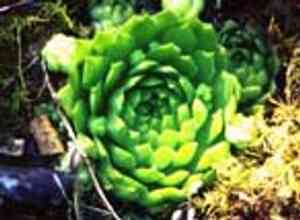
Woodland stonecrop serves as a superb, easy-to-care-for groundcover in shaded locations.
2
It provides lush foliage, attractive tiny blooms, and helps prevent soil erosion.
3
This plant draws in helpful insects, contributing to the local ecosystem's variety.
Why is Woodland Stonecrop an Ideal Groundcover?
Minimal Upkeep Needs
A primary reason Woodland stonecrop is highly favored as a groundcover is its low maintenance requirements. Once established, it thrives without extensive watering, fertilizing, or pruning, making it perfect for busy gardeners or those seeking to reduce garden upkeep. Its robust nature allows it to withstand drought and poor soil, effectively minimizing the need for frequent care and attention.
Visual Appeal
Woodland stonecrop is not only resilient but also aesthetically pleasing. It produces vibrant green foliage that forms a lush, carpet-like appearance. During its flowering season, it displays small, star-shaped white blooms that add a delicate yet striking visual element to any garden space. This blend of vivid greenery and charming flowers enhances the beauty of garden beds, borders, and shaded areas, offering year-round interest and charm.
Erosion Prevention
Gardeners often face challenges with soil erosion, especially in areas with poor soil structure or on sloped terrains. Woodland stonecrop serves as an effective natural solution for this issue. Its dense, spreading growth habit helps stabilize the soil, preventing erosion by anchoring the soil with its extensive root system. This makes it an invaluable asset for maintaining soil integrity and preserving the landscape's overall health.
How Does Woodland Stonecrop Support Local Biodiversity?
Attracting Beneficial Insects
One of the environmental advantages of cultivating Woodland stonecrop is its capacity to draw beneficial insects to the garden. During its blooming phase, it attracts pollinators like bees and butterflies, aiding in the pollination of other nearby plants. Additionally, it can provide refuge for beneficial predatory insects that help manage pest populations, fostering a healthier and more balanced garden ecosystem.
Creating Wildlife Habitats
Woodland stonecrop offers more than just aesthetic and ecological benefits; it also plays a crucial role in establishing habitats for small wildlife. Its dense foliage provides cover and shelter for various small creatures, including amphibians and insects. By supporting these forms of wildlife, Woodland stonecrop helps maintain local biodiversity, which is essential for the ecological balance and health of our environments.
What Are the Practical Applications of Woodland Stonecrop in Landscaping?
Versatile Garden Design Uses
Woodland stonecrop is incredibly adaptable and can be used in a multitude of garden design applications. Whether you aim to create lush undergrowth in a wooded setting, fill gaps between stepping stones, or provide groundcover for rock gardens, Woodland stonecrop can meet these needs with ease. Its versatility makes it a preferred choice for both amateur gardeners and professional landscapers looking to enhance various garden spaces.
Ecosystem Advantages
By incorporating Woodland stonecrop into your landscape, you're not only adding a beautiful and functional plant, but you're also contributing positively to the local ecosystem. As mentioned, it supports pollinators, controls erosion, and provides habitats for wildlife. These benefits collectively foster a healthier, more sustainable garden environment that can thrive with minimal human intervention.



