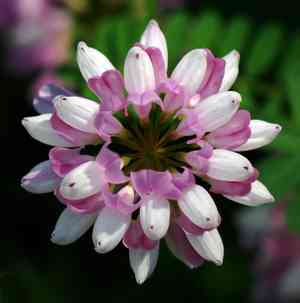
Securigera orientalis (Securigera orientalis)
Also known as: Crown vetch
**Mesquite** (genus *Prosopis*) is a hardy, drought-tolerant plant well-suited to arid environments. It typically grows as a tree or large shrub, featuring feathery, compound leaves. During late spring to early summer, mesquite trees bloom with clusters of yellow, pea-like flowers. These flowers not only add to the plant's visual appeal but also play a significant role in attracting pollinators. Mesquite's extensive root system contributes to its remarkable drought resistance, making it a resilient species in its native dry regions.
In This Article
Attributes of Securigera orientalis
Lifespan
Perennial
Plant Type
Herb
Plant Height
30-60 cm
Spread
Not generally applicable as it has a spreading growth habit
Leaf Color
Green
Flower Size
1-2 cm
Flower Color
Pink to purple
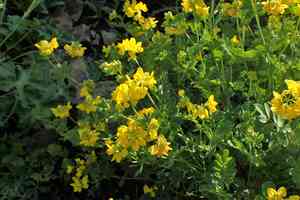
Images of Securigera orientalis
Quickly Identify Securigera orientalis
1
Securigera orientalis can be identified by its compound leaves made up of multiple leaflets, pink to purple flowers arranged in crown-like clusters, and its pod-like fruit.
Scientific Classification of Securigera orientalis
Phylum
Vascular plants
Class
Dicotyledons
Order
Fabales
Family
Legume
Genus
Crownvetch
Species
Securigera orientalis
Planting and Growing of Securigera orientalis
Care Difficulty
Easy
Watering Schedule
Every 4 days
Sunlight Requirements
Full sun
Sunshine Duration
4-8 hours
Ideal Temperature
60-75℉
Soil Type
Potting Mix, Peat Mix
Soil pH
6.5-7.5
Fertilizer Type
Balanced
Pruning Season
Spring, Summer
Pruning Area
Branches, Leaves
Pruning Frequency
2 times a year
Repotting Season
Spring
Pot Type
Terracotta, Plastic
 How to Water Securigera orientalis?
When watering Securigera orientalis, aim for about 500 ml of water each time. The amount should be enough to moisten the soil thoroughly without leaving it soggy. This ensures the roots receive adequate hydration while allowing excess water to drain away, preventing any waterlogging issues.
What are the symptoms of an underwatered Securigera orientalis?
›
What should I do if my Securigera orientalis is not getting enough water?
›
What are the symptoms of an overwatered Securigera orientalis?
›
How to save an overwatered Securigera orientalis?
›
 What Are the Sunlight Requirements for Securigera orientalis?
The ideal light range for Securigera orientalis is full to partial sun, requiring 6 to 8 hours of light daily. Consistent exposure to ideal lighting supports lush foliage, robust stem development, and an abundance of flowers, enhancing both aesthetic and biological health.
What is the best light for Securigera orientalis?
›
How can you achieve ideal light conditions for Securigera orientalis indoors?
›
Why is ideal lighting important for Securigera orientalis?
›
 What Is the Ideal Temperature Range for Securigera orientalis?
For optimal growth, Securigera orientalis thrives best when kept in temperatures between 60°F to 75°F. At these temperatures, the plant is able to efficiently carry out metabolic processes such as photosynthesis and respiration. In these conditions, it's more likely that the plant will flourish, showing healthy leaf development and vibrant blossoms, as the cellular functions are operating at peak efficiency.
 What Soil is Best for Securigera orientalis?
Securigera orientalis thrives in well-drained soils that prevent root rot and promote healthy growth. Proper drainage prevents waterlogging, crucial for the plant's root system health and ensures efficient nutrient uptake. This plant prefers soils with moderate fertility, which allow it to access essential nutrients without overwhelming its roots. Balanced fertility supports the lush growth and attractive foliage characteristic of Securigera orientalis. Aerated soil structure is important for Securigera orientalis, as it facilitates oxygen movement to the roots, promoting vigor and resilience. Such soil environments mitigate risks of compaction, ensuring healthy root penetration and stability.
 How to Fertilize Securigera orientalis?
For Securigera orientalis, the fertilizer amount should be moderate to ensure optimal growth. Use about half the recommended dosage indicated on the fertilizer package for liquid fertilizers, as this plant thrives in less nutrient-rich soils. Over-fertilizing can lead to salt build-up, causing damage.
 How to Prune Securigera orientalis?
Begin by identifying any overgrown or untidy branches that disrupt the plant's desired shape. Trim these branches back to a lateral bud or stem to control the size and maintain an attractive form. Be mindful of the overall balance of the plant to ensure it grows evenly. Inspect the plant for any dead or diseased foliage or stems and remove them promptly. This process not only enhances appearance but also prevents the spread of pathogens. Dispose of the cuttings carefully to avoid re-infection. Focus on cutting back any weak, spindly growth to encourage the development of stronger and more vigorous branches. This approach will lead to a fuller and healthier plant, enhancing both its beauty and resilience.
More About Pruning Techniques→
 How to Propagate Securigera orientalis plant?
1
Start by loosening the soil in your garden bed. Amend it with organic matter to improve drainage and nutrient availability. This step is crucial because proper soil conditions will encourage seed germination and healthy growth.
2
Scatter the seeds evenly over the prepared soil and lightly cover them with a thin layer of soil. Ensure the seeds are spaced adequately to allow for air circulation and reduce competition for resources as they grow.
3
Choose healthy, disease-free stems from the parent plant. With pruning shears, cut a segment of about 4-6 inches. Remove any lower leaves, leaving a few at the top to minimize moisture loss, aiding the rooting process.
 How to Repot Securigera orientalis plant?
1
Securigera orientalis, commonly known as the Oriental Crownvetch, needs repotting when its roots begin to outgrow the current container. This usually manifests as roots poking through the drainage holes or the soil drying out rapidly after watering. Such signs suggest it’s time for a roomier pot and fresh soil, usually during spring or early summer for optimal growth.
2
Choose a pot that is one size larger than the current one, with ample drainage holes at the bottom. The additional space allows for root growth, while drainage holes prevent water from accumulating, circumventing root rot, which is vital for the plant’s robust health.
3
Opt for well-draining, sandy loam soil to suit the plant's preference for airy and moist conditions. This type of soil mix prevents waterlogging while retaining just enough moisture and nutrients that cater to the plant's natural habitat, ensuring optimal growth and health.
Toxicity
ingestion
WARNING
The judgment on toxicity and danger is for reference only. We DO NOT GUARANTEE any accuracy of such judgment. Therefore, you SHALL NOT rely on such judgment. It is IMPORTANT TO SEEK PROFESSIONAL ADVICE in advance when necessary.
Learn More About Securigera orientalis Diseases
Anthracnose
Bacterial Leaf Spot
Bacterial Wilt
Crown Gall
Cyst Nematode
Damping-off
Downy Mildew
Drought Stress
Fusarium Wilt
Gray Mold
Leaf Spot
Mosaic
Nutrient Deficiency
Nutrient Toxicity
Powdery Mildew
Root Rot
Root-knot Nematode
Rusts
Sooty Mold
Spider Mites
Temperature Stress
Thrips Damage
White Mold



