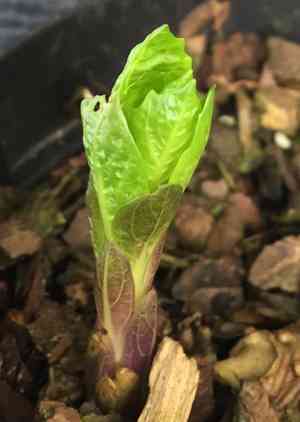
European scopolia (Scopolia carniolica)
Also known as: Nightshade-leaved henbane, Henbane bell
Lily of the Valley (Convallaria majalis) is a poisonous perennial that blooms in the spring, offering early seasonal interest. This plant thrives in shady environments, making it an excellent choice for ground cover and underplanting.
In This Article
Attributes of European scopolia
Lifespan
Perennial
Plant Type
Herb
Plant Height
60 cm
Spread
60 cm
Leaf Color
Green
Flower Size
Up to 2 cm
Flower Color
Purple Red Brown Yellow Green
Images of European scopolia
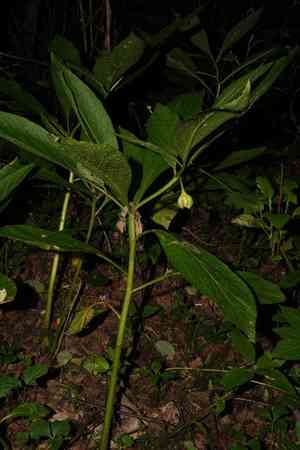
Quickly Identify European scopolia
1
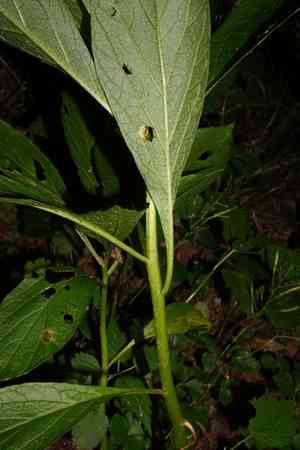
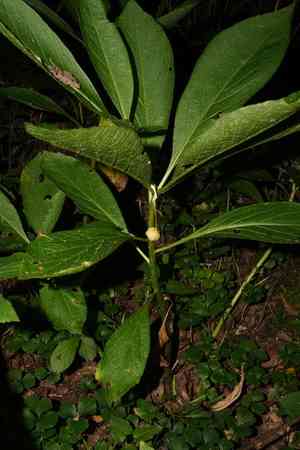
The plant can be recognized by its bell-shaped flowers, which are typically yellowish with purple veins. The leaves are broad and ovate, and the plant tends to grow in clusters.
Scientific Classification of European scopolia
Phylum
Vascular plants
Class
Dicotyledons
Order
Solanales
Family
Nightshade
Genus
Scopolia
Species
European scopolia
Planting and Growing of European scopolia
Care Difficulty
Moderate
Watering Schedule
Every 2 days
Sunlight Requirements
Partial sun
Sunshine Duration
6-8 hours
Ideal Temperature
60-75℉
Soil Type
Potting Mix, Peat Mix
Soil pH
6.5-7.5
Fertilizer Type
Balanced
Pruning Season
Spring, Summer
Pruning Area
Branches, Leaves
Pruning Frequency
2 times a year
Repotting Season
Spring
Pot Type
Plastic, Ceramic
 How to Water European scopolia?
Scopolia carniolica requires a balanced approach to watering, ensuring the soil is moist but not waterlogged. It's essential to provide 500 ml of water per session, allowing excess to drain to prevent root rot.
What are the symptoms of an underwatered European scopolia?
›
What should I do if my European scopolia is not getting enough water?
›
What are the symptoms of an overwatered European scopolia?
›
How to save an overwatered European scopolia?
›
 What Are the Sunlight Requirements for European scopolia?
Partial shade allows for filtered light, promoting lush growth and preventing burn. Ideal lighting bolsters vibrancy, resilience, and balanced development in Scopolia carniolica.
More About Sunlight Requirements Techniques→
How to achieve ideal lighting?
›
What are specific measures to ensure ideal lighting?
›
What benefits does ideal lighting offer?
›
 What Is the Ideal Temperature Range for European scopolia?
Scopolia carniolica thrives best when grown in temperatures ranging from 60°F to 75°F. This range provides the plant with the necessary warmth to support essential metabolic processes such as photosynthesis and nutrient uptake. In this temperature window, the plant can also maintain a healthy balance of moisture and nutrient usage, ensuring robust growth.
 What Soil is Best for European scopolia?
Scopolia carniolica thrives in well-drained soil that allows excess water to escape easily. This prevents the roots from getting waterlogged, ensuring that the plant remains healthy and vigorous. Soil rich in organic matter is ideal for Scopolia. It provides essential nutrients required for growth and enhances soil structure, improving aeration and water retention for the plant's roots. This plant prefers soil that retains consistent moisture, essential for its nutrient absorption and overall health. However, the soil shouldn't be soggy, maintaining a balance is key for optimal growth.
 How to Fertilize European scopolia?
For Scopolia carniolica, a balanced fertilizer like 10-10-10 or 20-20-20 can be used. Apply liquid fertilizers at a rate of about 1/4 to 1/2 teaspoon per gallon of water. For slow-release fertilizers, follow the label instructions based on pot size or garden area.
 How to Prune European scopolia?
Begin by examining the plant for any dead, diseased, or damaged stems. Remove these first by cutting back to where healthy tissue begins, encouraging new growth. Carefully thin out crowded areas to improve air circulation and light penetration. This not only enhances the plant's health but also its aesthetic appeal. Gently shape the plant by trimming back overgrown branches to maintain a balanced form. This also helps to keep the plant within its desired space.
More About Pruning Techniques→
 How to Propagate European scopolia plant?
1
Collect seeds from mature Scopolia carniolica plants in late summer. Ensure the seeds are completely dry before storing them in a cool, dry place until ready to be planted in early spring.
2
Use a well-draining potting mix or garden soil enriched with organic matter. This helps support root growth and provides necessary nutrients to the developing plants.
3
Choose healthy and young stems for cuttings, ideally in spring. Make a clean cut below a node with sterilized shears, and remove any leaves from the lower part of the cutting.
 How to Repot European scopolia plant?
1
Scopolia carniolica shows signs of needing repotting when its roots start circling the pot's bottom or bulging from the drainage holes. Additionally, a slowdown in growth and water retention can indicate it's time. Ideally, aim to repot during the growing season in spring when the plant is less stressed.
2
Opt for a pot that is one size larger than the current one, ensuring it has excellent drainage holes to prevent waterlogging. The added space allows roots to expand, supporting healthy growth, and good drainage minimizes root rot risks.
3
Choose a well-draining loamy soil that mimics the plant’s natural habitat. This type of soil ensures that excess moisture is not retained around the roots, aiding in preventing rot and promoting optimal nutrient uptake for the plant.
Toxicity
Ingestion, Skin contact
WARNING
The judgment on toxicity and danger is for reference only. We DO NOT GUARANTEE any accuracy of such judgment. Therefore, you SHALL NOT rely on such judgment. It is IMPORTANT TO SEEK PROFESSIONAL ADVICE in advance when necessary.
Learn More About European scopolia Diseases
Anthracnose
Bacterial Leaf Spot
Bacterial Soft Rot
Bacterial Wilt
Black Spot
Chemical Injury
Crown Gall
Cyst Nematode
Damping-off
Downy Mildew
Drought Stress
Fusarium Wilt
Gray Mold
Leaf Curl
Leaf Spot
Mosaic
Nutrient Deficiency
Nutrient Toxicity
Powdery Mildew
Root Rot
Root-knot Nematode
Rusts
Sooty Mold
Spider Mites
Temperature Stress
Thrips Damage
White Mold



