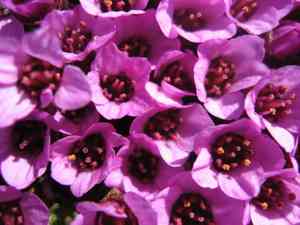
Nodding saxifrage (Saxifraga cernua)
Also known as: Bulblet saxifrage
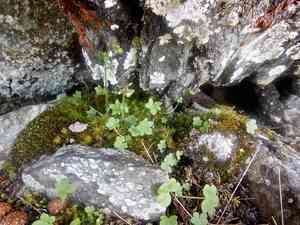
Nodding saxifrage (Saxifraga cernua) is a low-growing arctic plant that flourishes in habitats such as snow beds, cliffs, and rocky ledges. It is quite rare in certain regions and gained protection in the UK through the 1975 Conservation of Wild Creatures and Wild Plants Act.
In This Article
Attributes of Nodding saxifrage
Lifespan
Perennial
Plant Type
Herb
Plant Height
5-20 cm
Spread
10-30 cm
Leaf Color
Green
Flower Size
1-1.5 cm
Flower Color
White
Images of Nodding saxifrage
Quickly Identify Nodding saxifrage
1
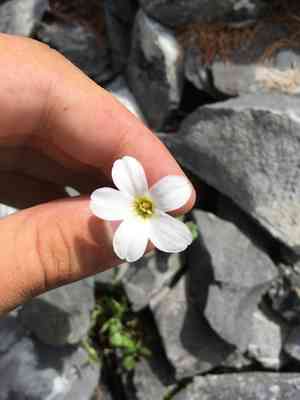
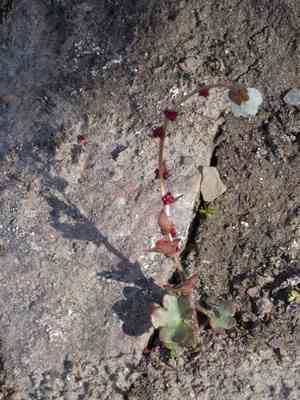
Saxifraga cernua can be identified by its nodding, white to pale pink flowers and its low-growing rosette of basal leaves. The leaves are usually rounded or heart-shaped and covered with glandular hairs.
Scientific Classification of Nodding saxifrage
Phylum
Vascular plants
Class
Dicotyledons
Order
Saxifragales
Family
Saxifrage
Genus
Saxifrages
Species
Nodding saxifrage
Planting and Growing of Nodding saxifrage
Care Difficulty
Easy
Watering Schedule
Every 2 days
Sunlight Requirements
Partial sun
Sunshine Duration
4-6 hours
Ideal Temperature
50-65℉
Soil Type
Potting Mix, Peat Mix
Soil pH
5.5-7.5
Fertilizer Type
Balanced
Pruning Season
Spring, Summer
Pruning Area
Branches, Leaves
Pruning Frequency
2 times a year
Repotting Season
Spring
Pot Type
Plastic, Ceramic
 How to Water Nodding saxifrage?
Saxifraga cernua requires thoughtful watering, ensuring the soil is kept moist but never waterlogged. About 100 ml of water per session should suffice, depending on the surrounding climate. You'll want to water enough to moisten the topsoil without allowing excess water to pool at the base.
What are the symptoms of an underwatered Nodding saxifrage?
›
What should I do if my Nodding saxifrage is not getting enough water?
›
What are the symptoms of an overwatered Nodding saxifrage?
›
How to save an overwatered Nodding saxifrage?
›
 What Are the Sunlight Requirements for Nodding saxifrage?
Partial sun conditions offer Saxifraga cernua the best balance, ensuring healthy growth and optimal blooming without the risk of sunburn or inadequate photosynthesis.
What is the best location for Saxifraga cernua?
›
How do I simulate ideal sunlight indoors?
›
What benefits does the right light offer to Saxifraga cernua?
›
 What Is the Ideal Temperature Range for Nodding saxifrage?
The ideal temperature range for Saxifraga cernua lies between 50°F and 65°F. This cool temperature range mimics its natural habitat in cold, mountainous regions. Maintaining these conditions ensures optimal growth and flowering. Keeping temperatures within this range helps in preventing stress and diseases, thereby promoting a healthy plant life cycle.
 What Soil is Best for Nodding saxifrage?
Saxifraga cernua thrives best in well-drained soil, ensuring its roots don't sit in water, preventing root rot and promoting healthy growth. The plant benefits from soil that's enriched with organic matter, which enhances nutrient content and moisture retention, leading to robust plant health. Preferring slightly acidic conditions, Saxifraga cernua develops better pigment and nutrient uptake, contributing to vibrant foliage and increased vitality.
 How to Fertilize Nodding saxifrage?
When fertilizing Saxifraga cernua, use a diluted liquid fertilizer, mixed at half strength to avoid root burn. Each time, apply approximately 100 ml per plant ensuring the soil is moist before application to allow proper nutrient absorption. Avoid using concentrated fertilizers as they might harm the plant's delicate root system.
 How to Prune Nodding saxifrage?
Begin by identifying and removing any dead or diseased leaves and stems. This process helps prevent the spread of disease and allows the plant to devote resources to healthy growth. Use your shears to carefully cut away these sections, ensuring a clean cut close to the base. After removing dead parts, focus on shaping the plant to your desired size and form. Trim back overgrown sections to encourage a neat, bushy appearance. This is especially important in spring and summer to accommodate new growth dynamics.
More About Pruning Techniques→
 How to Propagate Nodding saxifrage plant?
1
To propagate Saxifraga cernua by seeds, first collect mature seeds from the plant. Ensure the seeds are dry before storing them in a cool, dark place until planting.
2
When propagating by cuttings, select a healthy plant and cut a section of stem about 5-10 cm long. Remove lower leaves and dip the cut end in rooting hormone before planting.
3
For division propagation, dig up a mature Saxifraga cernua and carefully separate the root ball into smaller sections, making sure each section has roots attached.
 How to Repot Nodding saxifrage plant?
1
Look for signs like roots growing out of the drainage holes or the plant becoming top-heavy. These indicate that your Saxifraga cernua is ready for repotting. Ideal times are during its growing seasons, spring and autumn, when the plant can recover more swiftly from the stress.
2
Select a pot that is just slightly larger than the current one, no more than 1-2 inches wider in diameter. This prevents overwatering and supports root development. Draining holes are essential to ensure excess water can escape, keeping roots healthy and preventing rot.
3
Opt for a well-draining, gritty soil mix that mimics its natural rocky habitat. Adding components like perlite or coarse sand ensures that water does not linger around the roots, which helps to maintain the health and vigor of your plant.



