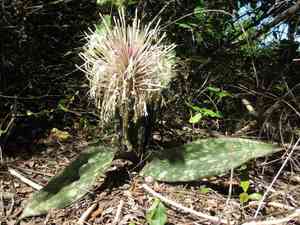
Star sansevieria (Sansevieria kirkii)
Also known as: Snake Plant, Kirk's Sansevieria
The Star Sansevieria (Sansevieria kirkii) is a low-growing relative of the popular Snake Plant. Originating from Tanzania's dry areas, it requires minimal watering and conserves moisture by closing its tiny pores during the daytime.
In This Article
Attributes of Star sansevieria
Lifespan
Perennial
Plant Type
Herb
Plant Height
60 cm
Spread
30 cm
Leaf Color
Dark green with light green mottling
Flower Size
Small, approximately 1 inch (2.5 cm)
Flower Color
White Purple
Images of Star sansevieria
Quickly Identify Star sansevieria
1
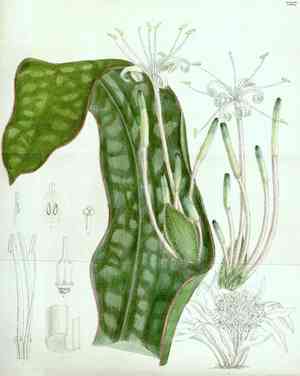
Sansevieria kirkii can be identified by its rigid, sword-shaped leaves that have a distinct mottled pattern. The leaves are typically dark green with light green spots and may have wavy edges.
Scientific Classification of Star sansevieria
Phylum
Vascular plants
Class
Monocotyledons
Order
Asparagus and allies
Family
Asparagus
Genus
Snake plants
Species
Star sansevieria
Planting and Growing of Star sansevieria
Care Difficulty
Easy
Watering Schedule
Every 2 days
Sunlight Requirements
Partial sun
Sunshine Duration
4-6 hours
Ideal Temperature
65-80℉
Soil Type
Potting Mix, Peat Mix
Soil pH
6.5-7.5
Fertilizer Type
Balanced
Pruning Season
Spring, Summer
Pruning Area
Branches, Leaves
Pruning Frequency
2 times a year
Repotting Season
Spring
Pot Type
Plastic, Ceramic
 How to Water Star sansevieria?
For Sansevieria kirkii, it's important to let the soil dry out completely between watering. Typically, 300 milliliters is sufficient to moisten the soil without causing waterlogging. The key is to ensure that the water reaches the roots without pooling.
What are the symptoms of an underwatered Star sansevieria?
›
What should I do if my Star sansevieria is not getting enough water?
›
What are the symptoms of an overwatered Star sansevieria?
›
How to save an overwatered Star sansevieria?
›
 What Are the Sunlight Requirements for Star sansevieria?
Sansevieria kirkii benefits from partial sun conditions. Ideal lighting encourages stable growth, maintains the plant's vibrant coloration, and supports overall health, helping it resist diseases and environmental stress better.
More About Sunlight Requirements Techniques→
What is the best lighting condition for Sansevieria kirkii?
›
How can you ensure optimal light for growth?
›
What are the benefits of ideal lighting?
›
 What Is the Ideal Temperature Range for Star sansevieria?
Sansevieria kirkii thrives best in temperatures ranging from 65°F to 80°F. This range provides an optimal environment for cellular functions, photosynthesis, and nutrient uptake, ensuring the plant remains healthy and growth is robust. In this temperature range, the plant can maintain metabolic processes efficiently.
 What Soil is Best for Star sansevieria?
Sansevieria kirkii prefers well-drained soils, as excess moisture can lead to root rot. This type of soil allows air to circulate around the roots, promoting healthy growth and preventing waterlogging. While it's a hardy plant, Sansevieria kirkii benefits from a nutrient-rich substrate to support its robust growth. Soils supplemented with organic matter like decomposed leaves or compost provide essential nutrients. A soil pH between 6.5 and 7.5 is ideal for Sansevieria kirkii, ensuring optimal nutrient availability. Maintaining this pH balance helps the plant uptake nutrients effectively, improving overall health.
 How to Fertilize Star sansevieria?
Sansevieria kirkii benefits from a light feeding regimen due to its adaptive, drought-resistant nature. A liquid fertilizer should be diluted to half its suggested strength and applied during active growth phases, typically in spring and summer. Avoid over-fertilizing to prevent root burn.
 How to Prune Star sansevieria?
Begin by identifying any dead, brown, or damaged leaves, as well as any leaves showing signs of disease. Using sharp scissors or pruning shears, cut them as close to the base as possible to ensure a neat look and promote new growth. If your Sansevieria kirkii appears bushy or overcrowded, carefully prune away excess leaves to open the plant up. This will enhance air circulation and light penetration, essential for photosynthesis and overall plant health. Be mindful not to remove too many leaves at once, as this can stress the plant. Maintain a balance by cutting back only one-third of the total foliage during any given pruning session to ensure continued growth and vitality.
 How to Propagate Star sansevieria plant?
1
Choose a healthy Sansevieria kirkii plant with strong foliage and no signs of disease. Picking a robust plant increases the chances of successful propagation, as it is more likely to produce healthy cuttings.
2
Use the sterilized sharp knife to take cuttings from the leaves or separate the rhizomes. Ensure each cutting is at least 4-6 inches long. This length provides enough surface area for suitable roots to develop.
3
Insert the cuttings into soil that is well-draining and slightly moist. The planting depth is important to provide stability and promote optimal root development.
 How to Repot Star sansevieria plant?
1
Sansevieria kirkii typically signals its need for repotting when its roots start to emerge from the bottom of the pot, or when growth appears stunted. The best time to perform this task is during the growing seasons of spring or summer when the plant can recover faster from any shock.
2
Select a pot that is only slightly larger than the current one to ensure the plant doesn't get overwhelmed by soil moisture. Ceramic or terracotta pots are ideal as they allow better air circulation and moisture control, preventing root rot.
3
Opt for a well-draining soil composition, such as a cactus mix, to prevent waterlogging and root rot. This type of soil ensures that excess water is quickly drained away, retaining just enough moisture for optimal root health.



