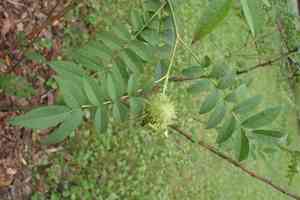
Chestnut rose (Rosa roxburghii)
Also known as: Small-leaved chinese rose
The chestnut rose (Rosa roxburghii) is recognized for its unique, spiny fruit that resembles a chestnut. This hardy shrub features lush green leaves and aromatic pink to white flowers that bloom in the spring. Adaptable to different soil types, the chestnut rose thrives in temperate climates, often growing into dense clusters that offer habitat and nourishment to various wildlife species.
In This Article
Attributes of Chestnut rose
Lifespan
Perennial
Plant Type
Shrub
Plant Height
1 m
Spread
80 cm
Leaf Color
Green
Flower Size
4-5 centimeters
Flower Color
Pink
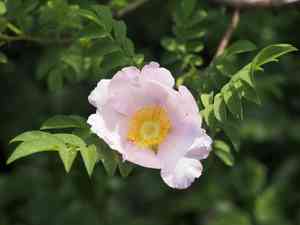
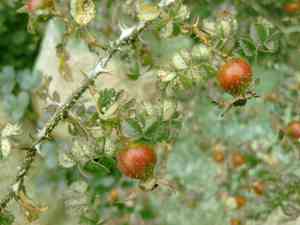
Images of Chestnut rose
Quickly Identify Chestnut rose
1
Rosa roxburghii can be identified by its distinctive spiny fruit, pinnately compound leaves with serrated edges, and solitary or clustered pink to pale pink flowers.
Scientific Classification of Chestnut rose
Phylum
Vascular plants
Class
Dicotyledons
Order
Roses, elms, figs, and allies
Family
Rose
Genus
Roses
Species
Chestnut rose
Planting and Growing of Chestnut rose
Care Difficulty
Moderate
Watering Schedule
Every 3 days
Sunlight Requirements
Full sun
Sunshine Duration
6-10 hours
Ideal Temperature
60-75℉
Soil Type
Potting Mix, Peat Mix
Soil pH
6.5-7.5
Fertilizer Type
Balanced
Pruning Season
Spring, Summer
Pruning Area
Branches, Leaves
Pruning Frequency
2 times a year
Repotting Season
Spring
Pot Type
Ceramic, Plastic
 How to Water Chestnut rose?
Rosa roxburghii appreciates a moderate amount of water, approximately 1000 milliliters per session. The goal is to moisten the soil thoroughly without waterlogging, allowing it to remain consistently moist but not soggy. Test the soil by sticking your finger 2 inches in – it should feel damp but not soaked.
What are the symptoms of an underwatered Chestnut rose?
›
What should I do if my Chestnut rose is not getting enough water?
›
What are the symptoms of an overwatered Chestnut rose?
›
How to save an overwatered Chestnut rose?
›
 What Are the Sunlight Requirements for Chestnut rose?
Full sun to partial sun provides the ideal light range for Rosa roxburghii. This exposure encourages robust growth, abundant blooms, and healthy foliage. Ensuring this lighting fosters resilience and vitality within the plant.
What is the ideal lighting condition for Rosa roxburghii?
›
How can I provide ideal lighting for Rosa roxburghii?
›
What benefits does Rosa roxburghii get from ideal lighting?
›
 What Is the Ideal Temperature Range for Chestnut rose?
For optimal growth and blooming of Rosa roxburghii, maintaining a temperature range between 60°F and 75°F is ideal. This range provides the best conditions for photosynthesis and stress-free growth, ensuring the plant remains healthy and vibrant throughout its growing season.
 What Soil is Best for Chestnut rose?
Rosa roxburghii thrives best in soils with excellent drainage. It prevents waterlogging, which can lead to root rot and other water-related diseases. The roots can access oxygen, leading to healthy growth and flowering. Being a nutrient-loving plant, it performs well in soils rich in organic matter. Organic-rich soils provide essential nutrients that promote vigorous growth and increase blooming potential. This plant enjoys soils that can retain moderate moisture without becoming waterlogged. Such conditions ensure the plant gets consistent water for healthy growth, while avoiding excess that could lead to plant diseases.
 How to Fertilize Chestnut rose?
For Rosa roxburghii, a common recommendation is to apply 2 ounces of balanced liquid fertilizer per plant. It should be diluted according to the package instructions, ensuring the concentration is suitable for regular use without risking root damage.
 How to Prune Chestnut rose?
Before pruning, gather clean, sharp pruning shears, gloves, and disinfectant to prevent disease spread. Check the plant for dead, diseased, or crossing branches as these should be removed first. Focus on cutting back dead, damaged, or crossing branches. Look for thin, weak, or inward-growing branches and remove them. Aim to keep an open center to let sunlight penetrate the plant more effectively. Make clean cuts just above a leaf bud at an angle to prevent water from sitting on the cut end, which can lead to rot. Avoid leaving stubs that can become an entrance for pests and diseases.
More About Pruning Techniques→
 How to Propagate Chestnut rose plant?
1
Choose a healthy parent plant for taking cuttings. Ensure it is disease-free and well-watered a day prior to starting the propagation process. This ensures the plant is in optimal condition for rooting.
2
Select a stem from current season growth, about 10-15 cm long. Make the cut below a node with a sharp knife or shears. Remove any flowers and excess leaves to minimize water loss.
3
Dip the cut end in rooting hormone and plant it in a well-draining potting mix. Make sure the cutting is planted deep enough to be stable but not buried too deeply as to prevent growth.
 How to Repot Chestnut rose plant?
1
Repot Rosa roxburghii when you notice roots circling the pot's bottom, reduced plant growth, or diminished flowering. These signs indicate that the plant may be root-bound or the soil has lost its nutrient value, making spring and autumn ideal due to moderate temperatures.
2
Select a pot slightly larger than the current one with excellent drainage holes. A terracotta pot is ideal as it allows extra moisture to evaporate, preventing root rot, while providing a sturdy base to support the plant's growth.
3
Choose a well-draining, nutrient-rich potting mix to facilitate root growth and moisture retention. The soil should include organic matter like compost to provide essential nutrients, enhancing the plant's development and health.
Learn More About Chestnut rose Diseases
Anthracnose
Bacterial Leaf Spot
Black Spot
Chemical Injury
Crown Gall
Damping-off
Downy Mildew
Drought Stress
Fusarium Wilt
Gray Mold
Leaf Curl
Leaf Spot
Mosaic
Nutrient Deficiency
Nutrient Toxicity
Powdery Mildew
Root Rot
Root-knot Nematode
Rusts
Sooty Mold
Spider Mites
Temperature Stress
Thrips Damage



