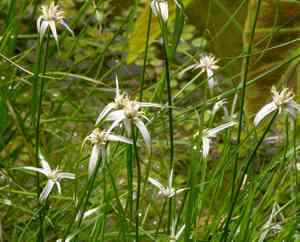
Starrush Whitetop (Rhynchospora colorata)
Also known as: Star Sedge, Star Rush
Lavender is a wonderful plant for attracting pollinators like butterflies and bees. Its vibrant, fragrant blooms make it a standout in summer gardens. Ideal for well-drained soils, lavender adds both beauty and a sweet scent to your landscape while supporting important pollinators.
In This Article
Attributes of Starrush Whitetop
Lifespan
Perennial
Plant Type
Herb
Plant Height
30 cm to 61 cm
Spread
60 cm to 90 cm
Leaf Color
Green
Flower Size
2.5 cm to 8 cm
Flower Color
White Green
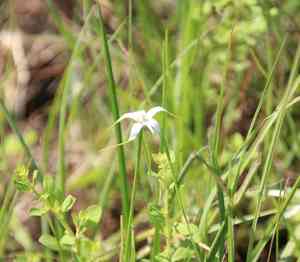
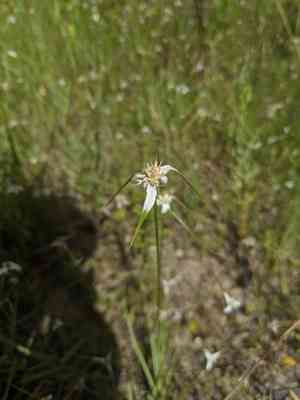
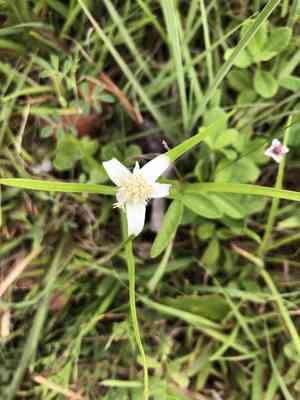
Images of Starrush Whitetop
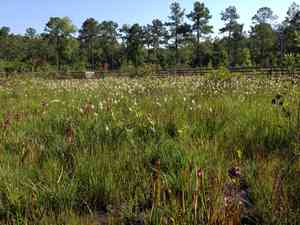
Quickly Identify Starrush Whitetop
1
Rosette of white bracts with green tips and sharp points.
2
Triangular or round stems supporting plant heights of 4 inches to 2 feet (10 cm to 60 cm).
3
Small white petal-like bracts surrounding greenish-brown spikelets in star-like display.
4
Tiny achenes with dark brown to black coloration and finely wrinkled surface texture.
5
Blooming primarily in summer, creating a visually striking display in moist, open areas.
Scientific Classification of Starrush Whitetop
Phylum
Vascular plants
Class
Monocotyledons
Order
Poales
Family
Sedge
Genus
Beak-rushes
Species
Starrush Whitetop
Planting and Growing of Starrush Whitetop
Care Difficulty
Easy
Watering Schedule
Every 3 days
Sunlight Requirements
Full sun
Sunshine Duration
6-10 hours
Ideal Temperature
68-86℉
Soil Type
Potting Mix, Peat Mix
Soil pH
5.5-7.5
Fertilizer Type
Balanced
Pruning Season
Spring, Summer
Pruning Area
Branches, Leaves
Pruning Frequency
2 times a year
Repotting Season
Spring
Pot Type
Plastic, Ceramic
 How to Water Starrush Whitetop?
Rhynchospora colorata, commonly known as Star Grass, requires a careful balance of moisture. Water it with about 200 milliliters each time, ensuring the soil is evenly moist but not waterlogged. The goal is to reach a moist consistency similar to a wrung-out sponge.
What are the symptoms of an underwatered Starrush Whitetop?
›
What should I do if my Starrush Whitetop is not getting enough water?
›
What are the symptoms of an overwatered Starrush Whitetop?
›
How to save an overwatered Starrush Whitetop?
›
 What Are the Sunlight Requirements for Starrush Whitetop?
Partial sunlight conditions, ideally between 6 to 8 hours, are essential for Rhynchospora colorata. Proper lighting ensures robust foliage, optimal growth, and enhances the plant's ornamental appeal and resilience.
More About Sunlight Requirements Techniques→
What is the ideal lighting for Rhynchospora colorata?
›
How to achieve optimal lighting conditions for Rhynchospora colorata?
›
What are the benefits of ideal lighting for Rhynchospora colorata?
›
 What Is the Ideal Temperature Range for Starrush Whitetop?
For Rhynchospora colorata, an optimal temperature range is from 68°F to 86°F. This range supports healthy growth and development, allowing the plant to thrive. Temperatures in this range assure that the plant's metabolic processes such as photosynthesis and respiration occur efficiently.
 What Soil is Best for Starrush Whitetop?
Rhynchospora colorata thrives in nutrient-rich soils that provide a steady supply of essential minerals. This type of soil enriches the plant's growth, ensuring vibrant foliage and robust flower spikes. A well-drained soil structure is crucial for preventing water logging, which can harm Rhynchospora colorata. Proper drainage allows roots to breathe and prevents root rot, promoting healthier growth. Maintaining moderate moisture retention is key for this plant, as it requires consistent moisture without being excessively wet. This balance ensures the plant gets enough water while avoiding sogginess.
 How to Fertilize Starrush Whitetop?
Rhynchospora colorata benefits from a light hand when it comes to fertilization. Use about half of the recommended dosage for liquid fertilizers. For slow-release granules, apply approximately one tablespoon per square foot. This ensures the plant receives enough nutrients without risking nutrient burn.
 How to Prune Starrush Whitetop?
Begin by identifying any dead or discolored leaves. These parts should be removed first to promote overall plant health and aesthetics. Carefully cut back any overgrown stems that disrupt the plant's overall shape. This encourages a more compact and bushy growth habit. Make your cuts just above a node or joint where new growth can emerge, encouraging fuller regrowth after pruning.
More About Pruning Techniques→
 How to Propagate Starrush Whitetop plant?
1
Start by preparing a potting mix that is rich in organic matter and offers good drainage. This is crucial for both seed and division propagation, as it helps provide the necessary nutrients and aeration the plants need to thrive.
2
When propagating from seed, plant the seeds lightly into the prepared seed tray, covering them with a thin layer of soil. Ensure that the soil is kept moderately moist but not waterlogged to promote germination.
3
For division propagation, carefully dig up a mature Rhynchospora colorata plant. Using a clean, sharp knife or spade, divide the plant into sections, making sure each section has a good amount of roots attached. Replant each division promptly to prevent the roots from drying out.
 How to Repot Starrush Whitetop plant?
1
Rhynchospora colorata typically needs repotting when you notice roots growing out of the drainage holes or the soil seems compacted and drains poorly. The best timing is during its active growing seasons—spring or summer, providing the plant ample time to recover and establish in the new pot.
2
Select a pot with sufficient drainage, ideally one size larger than the current pot. A wider base helps stabilize the plant and accommodates future growth, while good drainage prevents waterlogging, a critical factor for this moisture-sensitive species.
3
Opt for a well-draining peat mix to emulate its natural habitat. A light, airy mix helps retain the appropriate moisture level without becoming soggy. This ensures healthy root development and discourages root rot, promoting a robust and thriving plant.



