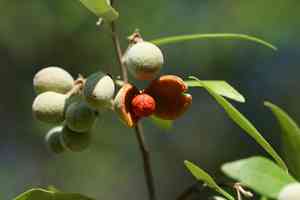
Hoary caper (Quadrella incana)
Also known as: Hoary Mustard, Wild Caper, Wild Mustard
The hoary caper, often a low-growing shrub with a bushy appearance, showcases silvery-gray leaves that shimmer in the sunlight, highlighting its drought-resistant nature. Its small yellow flowers, sparsely appearing from the leaf axils, provide a delicate contrast. Adapted to arid conditions, the hoary caper employs reflective leaves and efficient water conservation to endure harsh climates.
In This Article
Attributes of Hoary caper
Lifespan
Perennial
Plant Type
Shrub
Plant Height
1 to 3 feet
Spread
1 to 2 feet
Leaf Color
Gray-green
Flower Size
0.5 to 1 inch
Flower Color
White to yellow
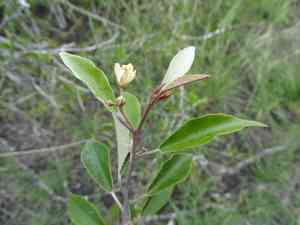
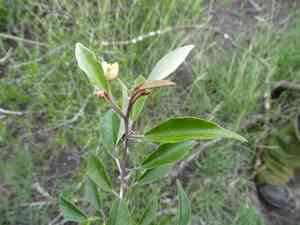
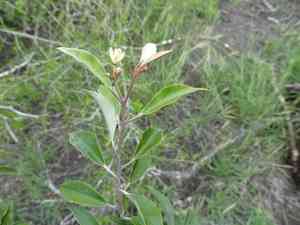
Images of Hoary caper
Quickly Identify Hoary caper
1
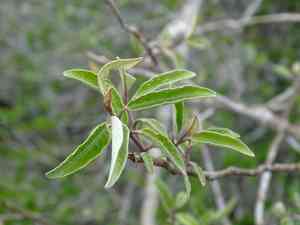
Quadrella incana can be identified by its grayish-green, hoary (covered in fine hairs) leaves, white to yellow flowers, and spiny stems. Look for elliptical or oblong leaves and cluster formation in flowers.
Scientific Classification of Hoary caper
Phylum
Vascular plants
Class
Dicotyledons
Order
Brassicales
Family
Capers
Genus
Quadrella
Species
Hoary caper
Planting and Growing of Hoary caper
Care Difficulty
Easy
Watering Schedule
Every 4 days
Sunlight Requirements
Full sun
Sunshine Duration
6-10 hours
Ideal Temperature
65-75℉
Soil Type
Potting Mix, Peat Mix
Soil pH
6.5-7.5
Fertilizer Type
Balanced
Pruning Season
Spring, Summer
Pruning Area
Branches, Leaves
Pruning Frequency
Once a year
Repotting Season
Spring
Pot Type
Plastic, Ceramic
 How to Water Hoary caper?
The watering amount for Quadrella incana should aim to thoroughly soak the soil without leaving it waterlogged. Aim to pour around 250 milliliters of water into the pot, ensuring the water reaches the root zone where it is most needed.
What are the symptoms of an underwatered Hoary caper?
›
What should I do if my Hoary caper is not getting enough water?
›
What are the symptoms of an overwatered Hoary caper?
›
How to save an overwatered Hoary caper?
›
 What Are the Sunlight Requirements for Hoary caper?
Quadrella incana thrives in environments with full sun to partial sun exposure. Ideal light ensures vibrant foliage, robust growth, and disease resistance, showcasing its beauty optimally.
What is the optimal location for lighting?
›
How to enhance sunlight exposure?
›
What are the benefits of receiving ideal lighting?
›
 What Is the Ideal Temperature Range for Hoary caper?
Quadrella incana thrives best in a warm environment with temperatures between 65°F and 75°F. This range supports optimal growth and keeps the plant in good health. During this temperature range, physiological activities like photosynthesis and nutrient uptake are efficiently performed. It mimics the natural conditions of its native habitats, promoting vibrant growth and resilience against pests.
 What Soil is Best for Hoary caper?
Quadrella incana thrives best in well-draining soil, preventing waterlogging which could harm the roots. Proper drainage ensures the roots have access to oxygen, promoting healthy growth and reducing the risk of fungal infections. This plant prefers soil with moderate organic matter content. Organic matter improves soil structure, enhances nutrient availability, and aids in retaining moisture, all key elements for the plant’s vigorous growth. A pH range from 6.5 to 7.5 is ideal, maintaining nutrient solubility while preventing toxic metal accumulation. This pH balance supports overall plant health and encourages robust blooming.
 How to Fertilize Hoary caper?
Quadrella incana prefers a balanced fertilizer application where the nutrients are evenly distributed. Use a general-purpose liquid fertilizer applied at half strength. Measure approximately 10 ml of liquid fertilizer mixed with 1 liter of water, ensuring even distribution over the root area for optimal absorption.
 How to Prune Hoary caper?
Over-pruning can stress Quadrella incana, leading to weakened growth. Always aim to remove no more than one-third of the plant's mass at any given time to maintain its vitality. After pruning, keep an eye out for any signs of pests or disease, as the open cuts can sometimes attract unwanted visitors.
More About Pruning Techniques→
 How to Propagate Hoary caper plant?
1
Begin by soaking the seeds in water for 24 hours to soften the seed coat, making germination easier. Ensure that the water is lukewarm and place the seeds in a dark, cool place.
2
Choose a healthy parent plant and cut a 4-6 inch section from a non-flowering shoot. Ensure each cutting has at least two nodes. Remove lower leaves to reduce fungal diseases and allow more energy for rooting.
3
For seeds, plant them in a prepared seedling tray and cover lightly with soil. For cuttings, dip the cut end in rooting hormone, then plant it in a potting mix, ensuring nodes are beneath the soil surface.
 How to Repot Hoary caper plant?
1
Quadrella incana shows clear signs when it needs repotting. Look for slow growth, roots coming out of the drainage holes, or soil that dries out quickly. These indications mean it's time to give it more space to thrive.
2
Opt for a pot that's about 2 inches larger in diameter than the current one. Ensure it has good drainage capabilities with adequate holes at the bottom. A properly sized pot allows the roots to spread out while preventing overwatering issues, leading to healthier growth.
3
Choose a well-draining sandy loam soil, which ensures excess water can easily escape, preventing root rot. This soil type balances moisture retention and drainage, providing the plant with ample growing conditions.
Learn More About Hoary caper Diseases
Anthracnose
Bacterial Leaf Spot
Bacterial Soft Rot
Bacterial Wilt
Black Spot
Chemical Injury
Crown Gall
Cyst Nematode
Damping-off
Downy Mildew
Drought Stress
Fusarium Wilt
Gray Mold
Leaf Curl
Leaf Spot
Mosaic
Nutrient Deficiency
Nutrient Toxicity
Powdery Mildew
Root Rot
Root-knot Nematode
Rusts
Sooty Mold
Spider Mites
Temperature Stress
Thrips Damage
White Mold



