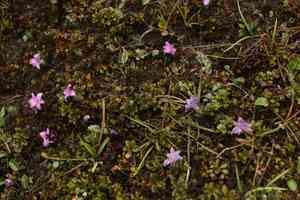
Polygonatum hookeri (Polygonatum hookeri)
Also known as: Hooker's Solomon's Seal
The scientific name "Polygonatum hookeri" comes from the ancient Greek words meaning "many joints," referring to the numerous nodes in its roots. The specific nickname "polygonatum hookeri" isn't definitively traced, but one hypothesis is that the plant's roots have depressions resembling royal seals, which could be linked to King Solomon from the Bible. Another theory suggests that the sliced roots resemble Hebrew letters, connecting the name to the significance of Solomon in Hebrew tradition.
In This Article
Attributes of Polygonatum hookeri
Lifespan
Perennial
Plant Height
10 cm
Spread
30 cm
Leaf Color
Green
Flower Size
1-2 cm
Flower Color
Pink
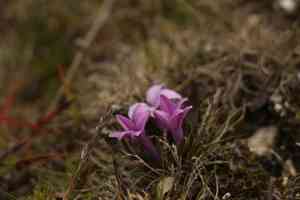
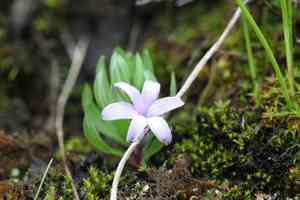
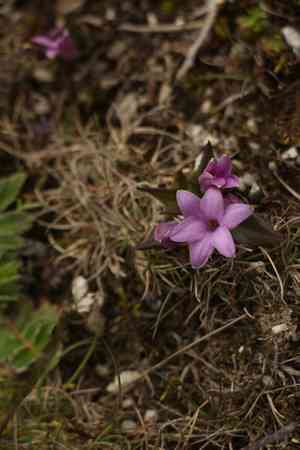
Images of Polygonatum hookeri
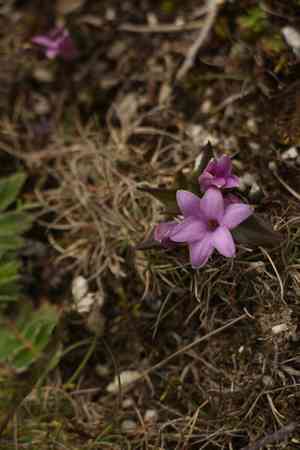
Quickly Identify Polygonatum hookeri
1
Leaves are elliptical and alternately arranged. The plant has small, pink to lavender bell-shaped flowers that hang from the leaf axils. Rhizomes are slender and creeping.
Scientific Classification of Polygonatum hookeri
Phylum
Vascular plants
Class
Monocotyledons
Order
Asparagus and allies
Family
Asparagus
Genus
Solomon's seal
Species
Polygonatum hookeri
Planting and Growing of Polygonatum hookeri
Care Difficulty
Moderate
Watering Schedule
Every 3 days
Sunlight Requirements
Partial sun
Sunshine Duration
6-10 hours
Ideal Temperature
60-70℉
Soil Type
Potting Mix, Peat Mix
Soil pH
6.5-7.5
Fertilizer Type
Balanced
Pruning Season
Spring, Summer
Pruning Area
Branches, Leaves
Pruning Frequency
2 times a year
Repotting Season
Spring
Pot Type
Plastic, Terracotta
 How to Water Polygonatum hookeri?
For Polygonatum hookeri, it's essential to keep the soil lightly moist but not waterlogged. Watering should provide 150ml per session, a balance that gives enough moisture yet allows the topsoil to dry before the next watering. This ensures the roots are neither drenched nor deprived.
What are the symptoms of an underwatered Polygonatum hookeri?
›
What should I do if my Polygonatum hookeri is not getting enough water?
›
What are the symptoms of an overwatered Polygonatum hookeri?
›
How to save an overwatered Polygonatum hookeri?
›
 What Are the Sunlight Requirements for Polygonatum hookeri?
Achieving an ideal light range, which involves partial sun, helps Polygonatum hookeri maintain its vivid foliage color and facilitates robust growth. Filtered light conditions mimic its natural environment, allowing it to thrive.
What is the ideal lighting condition for Polygonatum hookeri?
›
How can I ensure Polygonatum hookeri gets optimal light?
›
What are the benefits of providing ideal lighting to Polygonatum hookeri?
›
 What Is the Ideal Temperature Range for Polygonatum hookeri?
For optimal growth, Polygonatum hookeri thrives in temperatures between 60°F to 70°F. This range ensures the plant receives the warmth required for proper metabolic and physiological processes, while not being exposed to heat extremes that could stress the plant.
 What Soil is Best for Polygonatum hookeri?
Polygonatum hookeri thrives in soils with excellent drainage. Good drainage prevents water from stagnating around the roots, reducing the risk of root rot, thereby ensuring healthy root development. This requirement is essential for maintaining the plant's overall health and vigor. This plant prefers nutrient-rich soils that can support its growth and ornamental features. A well-balanced presence of essential nutrients encourages robust growth, lush foliage, and an abundance of blossoms, enhancing its visual appeal. While excellent drainage is crucial, the soil should also have moisture-retaining properties. This balance ensures that the plant has consistent access to water between watering sessions, which is particularly important in drier climates.
 How to Fertilize Polygonatum hookeri?
Polygonatum hookeri prefers a balanced approach to fertilization. Use a 10-10-10 NPK liquid fertilizer at half strength, to avoid overwhelming the roots. When using slow-release granules, apply around 50 grams per plant ensuring an even spread around the base.
 How to Prune Polygonatum hookeri?
The best time to prune Polygonatum hookeri is early in the spring before new growth starts, or in the autumn after the foliage begins to die back. This ensures that the plant has ample energy for regrowth and minimizes stress. Begin by sterilizing your pruning shears with a solution of one part bleach and nine parts water, to prevent the spread of disease. Carefully remove any damaged or dead stems down to the base to stimulate healthier growth. Clip back overly long stems to maintain a tidy appearance. Always make clean cuts to decrease the risk of infection.
More About Pruning Techniques→
 How to Propagate Polygonatum hookeri plant?
1
Collect seeds from mature Polygonatum hookeri plants. Clean the seeds to remove any pulp or plant residue and dry them properly. Store the seeds in a cool, dry place until you are ready to plant.
2
In early spring, dig up the plant carefully and separate healthy rhizomes with at least one growing bud. Use a sharp knife to make clean cuts. Plant the divided rhizomes in well-draining soil to prevent rot.
3
Fill seed trays with a mixture of peat and sand. Sow the seeds on the surface and lightly cover them with soil. Water gently and keep in a warm, shaded location to encourage germination.
 How to Repot Polygonatum hookeri plant?
1
Polygonatum hookeri shows signs of needing repotting when you notice roots growing out of the pot's drainage holes, the plant's growth becomes stunted, or the soil no longer retains moisture well. Ideally, repotting should be done in spring or autumn when the plant is not in active blooms, allowing it to focus its energy on root development.
2
Select a pot that is only slightly larger than the current one, as too much space can lead to water retention and root rot. Clay pots are ideal due to their breathability, which helps to wick away excess moisture. Ensure the pot has proper drainage holes to maintain optimal soil moisture levels, assisting in healthy root growth.
3
Opt for well-draining, loamy soil that retains some moisture but does not become waterlogged. A mix containing peat, perlite, and sand ensures good drainage and aeration while retaining the necessary nutrients. This balance will keep the roots healthy and prevent the plant from sitting in overly soggy conditions.
Learn More About Polygonatum hookeri Diseases
Anthracnose
Bacterial Leaf Spot
Bacterial Soft Rot
Bacterial Wilt
Crown Gall
Cyst Nematode
Damping-off
Downy Mildew
Drought Stress
Fusarium Wilt
Gray Mold
Leaf Spot
Mosaic
Nutrient Deficiency
Nutrient Toxicity
Powdery Mildew
Root Rot
Root-knot Nematode
Rusts
Sooty Mold
Spider Mites
Temperature Stress
Thrips Damage
White Mold



