How to Propagate Polygonatum hookeri?
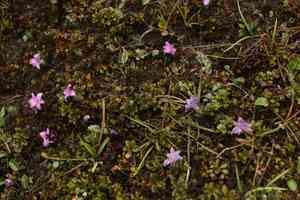
Polygonatum hookeri, a perennial herb distinguished by its distinctive bell-shaped blossoms and gracefully arching stalks, flourishes in adequately drained soil under partial shade. Reproduce polygonatum hookeri via division by gently detaching the rhizomes, making certain each segment possesses a minimum of one growth point. Place the rhizome portions in an identical setting to the original plant. Consistent irrigation and preserving soil dampness are vital for effective rooting.
Optimal Period for Propagating Polygonatum Hookeri
Propagation Method
Division
Propagation Period
Spring,Autumn
Tools Required for Polygonatum Hookeri Propagation
Garden Fork
A garden fork is crucial for gently lifting and loosening the earth surrounding the plant. This tool minimizes harm to the roots and rhizomes of polygonatum hookeri during division, facilitating extraction without damaging delicate parts.
Sharp Knife or Pruning Shears
A sharp knife or pruning shears are vital for cleanly separating the rhizomes of polygonatum hookeri. Clean cuts help prevent infection and encourage robust new growth. These instruments should be sterilized before use to avoid disease transmission.
Root Washing Station
A suitable area or apparatus for cleaning the roots is important to remove soil and thoroughly inspect the rhizomes of polygonatum hookeri. This allows for better assessment of health and any necessary trimming of damaged or diseased sections prior to replanting.
Hand Trowel
A hand trowel is useful for excavating planting holes when replanting the divided sections of polygonatum hookeri. It ensures precise placement and adequate covering of the roots at the correct depth, promoting stable growth and establishment of the divisions.
Rooting Hormone
While not always essential, rooting hormone can stimulate root development on divided rhizomes. This can be particularly advantageous for polygonatum hookeri if there are concerns about weak root growth or poor soil conditions.
Labeling Stakes
Labeling stakes are beneficial for marking newly planted divisions of polygonatum hookeri, especially when performing multiple divisions or working with various types. Clear labeling aids in tracking the progress and health of each division for improved garden management.
How to Propagate Polygonatum Hookeri?
Propagation Type
Easy
Caring for Your Newly Propagated Polygonatum Hookeri
Caring for Your Newly Propagated Polygonatum Hookeri
Following propagation, polygonatum hookeri needs specific care steps to ensure successful growth. Position the plants in an area with partial to full shade, as polygonatum hookeri prefers cooler, shaded environments. Maintain consistent soil moisture, avoiding both dryness and waterlogging. Regularly inspect for pests or diseases and address them promptly to keep the plants healthy. Apply mulch around the base to retain moisture and regulate soil temperature. With proper care, polygonatum hookeri will establish well and continue to flourish.
Common Errors to Avoid When Propagating Polygonatum Hookeri
Poor Soil Drainage
It's crucial to prevent waterlogged conditions, as they can lead to root rot, which severely hinders successful propagation.
Incorrect Depth of Planting
Burying the rhizomes too deeply can result in compromised growth, while planting them too shallowly can expose them to damage.
Overwatering
Excessive watering can suffocate the roots and encourage fungal diseases, leading to the failure of the propagation process.
Neglecting Pest Control
Pests like slugs and snails can harm young rhizomes and shoots, leading to stunted growth or the death of new plants.
Advice for Propagating Polygonatum Hookeri
Ensure Well-Draining Soil
Utilize soil that allows water to pass through easily to prevent waterlogging and root rot.
Properly Depth Planting
Plant the rhizomes at an appropriate depth, typically just below the surface, to protect them while allowing for optimal growth.
Controlled Watering
Maintain a balanced watering routine, keeping the soil moist but not waterlogged to promote healthy root development.
Pest Monitoring
Regularly check for and manage pests to protect new shoots and rhizomes, ensuring the young plants have a chance to thrive.



