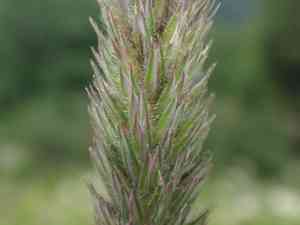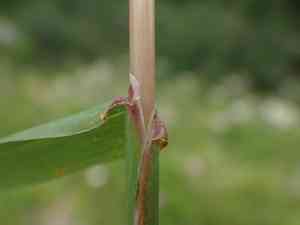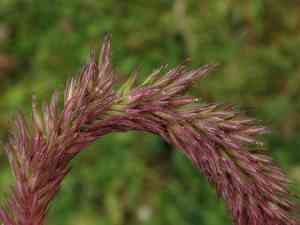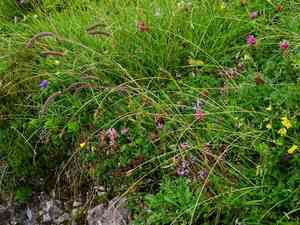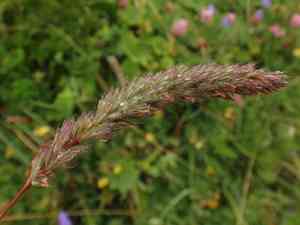
Phleum hirsutum(Phleum hirsutum)

Phleum hirsutum (Phleum hirsutum)

Also known as: Hairy Timothy, Woolly Timothy

Phleum hirsutum, also known as Alpine Timothy, is a perennial grass characterized by its distinctly hairy leaf sheaths and stems. It usually grows to a height of 30-60 cm and features narrow, flat leaves that often exhibit a hairy texture. The plant's flower spikes are dense and cylindrical, aiding in effective wind pollination.

In its native alpine and subalpine meadows, Phleum hirsutum adapts well to cold climates and nutrient-poor, well-drained soils. Its hairy leaves and stems help minimize water loss and provide protection against frost. The tufted growth habit and dense flower spikes are crucial for capturing pollen and ensuring seed dispersal in windy environments.

Attributes of Phleum hirsutum

Lifespan
Perennial
Plant Type
Grass
Plant Height
50-100 cm (20-40 inches)
Spread
30-45 cm (12-18 inches)
Leaf Color
Green
Flower Size
2-4 cm (0.8-1.6 inches)
Flower Color
Greenish or purplish

ForwardPlant - Identify plants with a snap

Identify and diagnose plants, get toxicity alerts, and explore safety guides for all types of fungi.

Try for Free

Images of Phleum hirsutum

Phleum hirsutum(Phleum hirsutum)

Quickly Identify Phleum hirsutum

1
To identify Phleum hirsutum, look for hairy leaf sheaths and stems, distinguishable by their woolly texture. The plant also features a cylindrical flower head and a dense spike.

Scientific Classification of Phleum hirsutum

Phylum
Vascular plants
Class
Monocotyledons
Order
Poales
Family
Grass
Genus
Timothy
Species
Phleum hirsutum

Planting and Growing of Phleum hirsutum

Care Difficulty
Easy
Watering Schedule
Every 3 days
Sunlight Requirements
Partial sun
Sunshine Duration
4-8 hours
Ideal Temperature
60-75℉
Soil Type
Potting Mix, Peat Mix
Soil pH
6-8
Fertilizer Type
Balanced
Pruning Season
Spring, Summer
Pruning Area
Branches, Leaves
Pruning Frequency
2 times a year
Repotting Season
Spring
Pot Type
Terracotta, Plastic

water icon How to Water Phleum hirsutum?

Phleum hirsutum thrives best when its soil is kept consistently moist but not waterlogged. Watering should be done until the top inch of soil has absorbed moisture and it feels damp to the touch. A general rule of thumb is about 200 ml per session, ensuring the soil retains some moisture but never overly saturated.
What are the symptoms of an underwatered Phleum hirsutum? ›
What should I do if my Phleum hirsutum is not getting enough water? ›
What are the symptoms of an overwatered Phleum hirsutum? ›
How to save an overwatered Phleum hirsutum? ›

sunlight icon What Are the Sunlight Requirements for Phleum hirsutum?

Sunlight Requirements: Partial sun
Duration of light: 4-6 hours
Phleum hirsutum requires partial sun exposure, benefiting immensely from filtered light. Ideal lighting supports vibrant foliage, balanced growth, and sustained photosynthesis, fostering a flourishing and resilient plant.
Optimal Sunlight for Growth ›
Balancing Light Exposure ›
Lighting Adjustments Across Seasons ›

temperature icon What Is the Ideal Temperature Range for Phleum hirsutum?

Ideal Temperature: 60 ~ 75℉
The ideal temperature range for Phleum hirsutum is between 60°F and 75°F. This range supports optimal growth and ensures the plant can carry out photosynthesis efficiently. Keeping the plant within these temperatures aids in maintaining healthy foliage and robust growth.

soil icon What Soil is Best for Phleum hirsutum?

Soil type: Sandy soil, Loam
Soil PH: 6 ~ 8
Phleum hirsutum thrives in nutrient-rich soil, which provides the essential elements for robust growth. Ensuring the soil is amended with organic matter can enhance fertility, making the plant more resilient and promoting lush foliage. This plant prefers well-drained soil to prevent root rot. Proper drainage avoids waterlogging, which can suffocate the roots and impede nutrient uptake, leading to healthier plants overall. Maintaining moderate moisture levels is crucial for Phleum hirsutum. Avoiding overly dry or saturated conditions helps in sustaining optimal growth and prevents stress-induced wilting or disease.

fertilize icon How to Fertilize Phleum hirsutum?

Fertilizer type: Balanced
For Phleum hirsutum, apply liquid fertilizer at a concentration of 200 ppm nitrogen. Ensure that the application is even across the root zone to avoid concentration spikes that might harm the plant. Carefully measure the fertilizer to prevent over-fertilization.

prune icon How to Prune Phleum hirsutum?

Pruning Time: Spring, Summer, Autumn
When pruning, be careful not to cut newly emerging shoots, as these are vital for the plant's growth. Focus on older, mature stems instead. Phleum hirsutum may be used by local wildlife as a habitat. Before starting your pruning session, check for nesting birds or other animals, and avoid disturbing them. After pruning, it’s crucial to clear away any plant debris to prevent decay and reduce the spread of diseases. Compost healthy clippings, but dispose of any diseased materials carefully. More About Pruning Techniques→

propagate icon How to Propagate Phleum hirsutum plant?

Propagate Time: Spring, Early summer
1
Prepare a seed tray with a quality potting mix. Scatter seeds evenly on the surface and cover lightly with soil. Water gently and maintain moisture levels while placing the tray in a well-lit area.
2
Choose a mature plant and dig around its base to gently lift it from the soil. Divide the clump into smaller sections, ensuring each has roots attached. Replant immediately into prepared soil.
3
After sowing or planting divisions, water the area thoroughly. Monitor for signs of growth and ensure plants receive adequate sunlight and nutrients as they establish.
More About Propagating Techniques→

repot icon How to Repot Phleum hirsutum plant?

Repotting frequency: Annually or Biennially
1
Phleum hirsutum shows the need for repotting when you observe roots poking out from the drainage holes, the plant becoming root-bound, or poor growth despite regular care. Springtime is ideal as it allows the plant to adjust and thrive with the onset of the growing season.
2
Choose a pot that is one size larger than the current one, offering ample space for growth and root expansion. The new pot should have sufficient drainage holes to prevent waterlogging, which can lead to root rot, ensuring a healthy environment for your plant.
3
Select a light, well-draining soil mix rich in organic matter. A mixture containing sand or perlite can boost drainage, preventing soil compaction and promoting robust root health, which is essential for the proper growth and vitality of Phleum hirsutum.

ForwardPlant - Identify plants with a snap

Find the best spots for them to optimize their health, simply using your phone.

Try for Free