
Lima bean (Phaseolus lunatus)
Also known as: Double bean, Butter beans, Dwarf bean, Garden bean
The lima bean plant is an annual herb that can be either bushy or vining. Its stems typically grow to lengths between 2 and 4 meters. The plant's petals are generally light green, with occasional purple hues.
In This Article
Attributes of Lima bean
Lifespan
Annual, Perennial, Biennial
Plant Type
Herb, Vine
Plant Height
4.5 m
Spread
1 m
Leaf Color
Green
Flower Size
2.5 cm
Flower Color
White Yellow Purple
Images of Lima bean

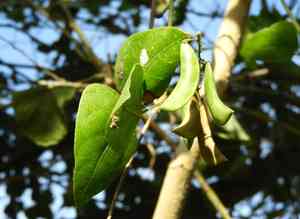
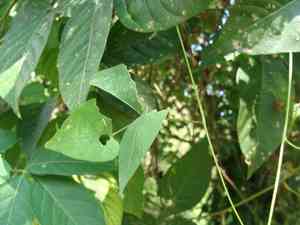
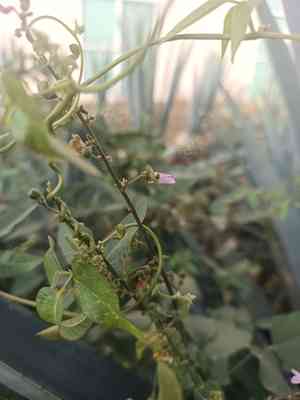
Quickly Identify Lima bean
1
Plump seeds with distinct patterns and lines from hilum
2
Varied hues of seeds enhancing identification
Scientific Classification of Lima bean
Phylum
Vascular plants
Class
Dicotyledons
Order
Fabales
Family
Legume
Genus
Beans
Species
Lima bean
Planting and Growing of Lima bean
Care Difficulty
Easy
Watering Schedule
Every 4 days
Sunlight Requirements
Full sun
Sunshine Duration
6-10 hours
Ideal Temperature
75-85℉
Soil Type
Potting Mix, Peat Mix
Soil pH
6-7.5
Fertilizer Type
Balanced
Pruning Season
Spring, Summer
Pruning Area
Branches, Leaves
Pruning Frequency
2 times a year
Repotting Season
Spring
Pot Type
Plastic, Ceramic
 How to Water Lima bean?
The watering amount for Phaseolus lunatus should be approximately 250 milliliters per session. It's essential to ensure the soil is evenly moist but not waterlogged. The principle is to water thoroughly so that moisture reaches the roots. An indicator of sufficient watering is when a small amount of water begins to drain from the bottom of the pot.
What are the symptoms of an underwatered Lima bean?
›
What should I do if my Lima bean is not getting enough water?
›
What are the symptoms of an overwatered Lima bean?
›
How to save an overwatered Lima bean?
›
 What Are the Sunlight Requirements for Lima bean?
Phaseolus lunatus flourishes with full to partial sun exposure, receiving about 6-8 hours of direct sunlight each day. This ideal range ensures robust growth and a plentiful pod harvest.
More About Sunlight Requirements Techniques→
What is the ideal light condition for Phaseolus lunatus?
›
How can you ensure these ideal lighting conditions?
›
What are the benefits of providing ideal light conditions to Phaseolus lunatus?
›
 What Is the Ideal Temperature Range for Lima bean?
The ideal temperature range for Phaseolus lunatus, commonly known as the lima bean, is between 75°F and 85°F. Within this range, the plant can efficiently carry out photosynthesis, ensuring healthy growth and development. Lima beans thrive best in warm climates, as this temperature range provides the ideal conditions for nutrient uptake and metabolism.
 What Soil is Best for Lima bean?
Phaseolus lunatus thrives in well-drained soil as it prevents waterlogging, which can lead to root rot. Well-drained soil allows excess moisture to escape, ensuring roots have access to sufficient oxygen. The plant requires nutrient-rich soil to support its growth. Nitrogen-rich soil is particularly beneficial for its leaf development and overall health. Using organic compost can enhance soil fertility naturally. A slightly acidic to neutral pH of 6.0 to 7.5 is ideal for Phaseolus lunatus, as it encourages optimal nutrient availability and uptake, ensuring the plant receives all necessary minerals for robust growth.
 How to Fertilize Lima bean?
When fertilizing Phaseolus lunatus, aim for 1/4 cup of balanced liquid fertilizer per plant every two weeks during the growing season. For solid fertilizers, use about 1 pound per 100 square feet of growing area, applied evenly.
 How to Prune Lima bean?
Start pruning when the plant is young and continue at regular intervals. Prune early in the growing season to encourage a strong framework, focusing on removing any weak or damaged stems. Identify crowded or crossing branches and trim them back to a main branch or the base. Remove any dead or diseased foliage to promote airflow and prevent fungal issues. Ensure you leave enough leaves to sustain photosynthesis.
More About Pruning Techniques→
 How to Propagate Lima bean plant?
1
Begin by filling your seed tray with potting soil, leaving a little space at the top. Plant the seeds about an inch deep, spacing them two inches apart. Water the soil gently to ensure it's uniformly moist without displacing the seeds.
2
Place the seeded tray in a warm location, ideally between 70-75°F (21-24°C). Lima beans require warmth for germination. Supplement natural light with grow lights if needed, aiming for about 12-16 hours of light daily.
3
Once the seedlings have a couple of true leaves and the threat of frost has passed, they can be transplanted outdoors. Choose a sunny spot with well-draining soil. Space the seedlings approximately 6 inches apart to allow for growth.
 How to Repot Lima bean plant?
1
Phaseolus lunatus, commonly known as Lima beans, should be repotted when you notice roots emerging from drainage holes, indicating they are root-bound. If the soil dries out much faster than usual, it's another sign that it's time to give them a fresh start in a bigger pot.
2
Choose a pot that is 1-2 inches larger in diameter than the current one. This allows enough room for root growth and prevents waterlogging by avoiding excess space. Always ensure the pot has drainage holes to prevent root rot.
3
Opt for a well-draining, nutrient-rich soil mix. This ensures that the plant receives adequate nourishment while preventing water from pooling around the roots. A mix containing organic matter like compost can enhance growth by retaining some moisture yet allowing excess to drain away.
Toxicity
Ingestion of raw beans, particularly those containing high levels of cyanogenic glycosides
WARNING
The judgment on toxicity and danger is for reference only. We DO NOT GUARANTEE any accuracy of such judgment. Therefore, you SHALL NOT rely on such judgment. It is IMPORTANT TO SEEK PROFESSIONAL ADVICE in advance when necessary.



