How to Prune Lima bean?
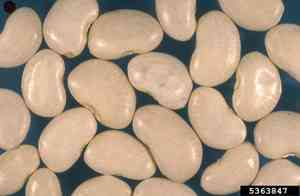
Hailing from South and Central America, the lima bean is a climbing legume characterized by abundant leaves and pods enclosing flattened seeds. Undertake trimming for vine control and plant well-being by eliminating deceased or compromised branches and nipping tips to encourage a denser form. The most suitable times for pruning coincide with periods of vigorous development, particularly from spring through autumn. Strategic pruning enhances air movement, diminishes the likelihood of illness, and stimulates plentiful yields. Refrain from making extensive cuts to safeguard the capacity for pod generation.
Advantages of Trimming Lima Bean
Advantages of Trimming Lima Bean
Trimming lima bean encourages robust development by reallocating the plant's resources towards new growth. Consistent pruning helps maintain its desired form and dimensions, ensuring lima bean remains manageable and visually appealing in the garden.
Optimal Time for Pruning Lima Bean
Optimal Time for Pruning Lima Bean
Pruning lima bean in Spring is ideal as the plant emerges from dormancy, making it easier to identify dead or damaged stems before new growth starts. Early Summer pruning is beneficial for shaping the plant and managing its size, promoting better air circulation crucial for healthy growth and reducing disease risk. Fall pruning is suitable after lima bean has finished fruiting, allowing the removal of old or diseased pods and foliage to prepare the plant for the next season. Pruning during these periods supports lima bean's natural growth cycle, encourages healthy yields, and maintains the plant's vitality.
Tools Required for Pruning Lima Bean
Bypass Pruners
Perfect for making clean cuts on lima bean without crushing stems, suitable for snipping individual beans or trimming small shoots.
Garden Scissors
Excellent for precise trimming and shaping of lima bean, helping maintain its preferred growth habit.
Pruning Saw
Generally not needed for lima bean unless dealing with old, woody stems, which is rare for this annual plant.
Gloves
Protects hands from cuts or scrapes while handling lima bean and its support structures.
Long-Handled Loppers
May be used to reach into dense foliage of lima bean if grown on trellises, though bypass pruners are usually sufficient.
How to Prune Lima Bean
Clean And Sterilize
Before beginning, clean and sterilize pruning tools to prevent the spread of diseases to lima bean.
Identify
Carefully inspect lima bean to locate all withered leaves that require removal. These are typically yellow or brown and may be dry or drooping.
Cut At Base
Using sharp pruning shears, cut the withered leaves at their base, close to the main stem of lima bean, ensuring no damage to new growth or healthy tissue.
Dispose
Discard withered leaves away from lima bean to prevent potential reinfestation or disease spread. Do not compost diseased material.
Monitor
After pruning, continue to regularly observe lima bean for signs of stress, pests, or disease, and remove any additional withered leaves as they appear to maintain plant health.
Common Pruning Errors with Lima Bean
Over-Pruning
Removing too much foliage at once can stress lima bean, hindering its ability to grow and produce pods effectively.
Imprecise Cuts
Making jagged or torn cuts instead of clean, angled ones can create entry points for disease and potentially damage lima bean's vines.
Pruning Productive Branches
Accidentally trimming branches that are flowering or bearing pods will reduce the yield of lima bean.
Ignoring Unhealthy Limbs
Failing to remove dead, diseased, or damaged limbs can lead to disease spread and drains energy from lima bean.
Not Sanitizing Tools
Using dirty pruning tools can introduce pathogens to lima bean, potentially causing disease.
Neglecting Plant Structure
Pruning without understanding lima bean's growth pattern can result in a poor harvest and potentially damage the plant's structural integrity.
General Pruning Advice for Lima Bean
Choose The Right Tool
Use sharp, clean pruning shears or scissors specifically designed for delicate plant work to make precise cuts without harming lima bean.
Target Specific Areas
Focus on thinning out dense foliage to improve air circulation and light penetration, which benefits lima bean's overall health.
Prune For Pod Access
Trim back overgrowth to facilitate better access for harvesting lima bean's pods, leading to a more bountiful and effortless harvest.
Healthy Maintenance
Regularly remove dead or yellowing leaves and non-productive branches to channel lima bean's energy into new growth and pod production.
Careful Shaping
Lightly shape lima bean to support its natural growth pattern while avoiding excessive removal of healthy foliage.
Post-Harvest Pruning
After the main harvest season, trim lima bean lightly to prepare it for the next growing phase, taking care not to prune excessively.



