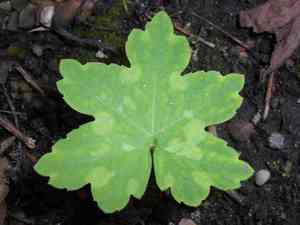
Mt. diablo phacelia (Phacelia phacelioides)
Also known as: Not applicable
Mt. Diablo phacelia (Phacelia phacelioides) is distinguished by its vibrant, violet-blue flowers and finely divided, fern-like leaves. This resilient annual plant flourishes in well-drained, rocky soils, particularly those derived from serpentine rock, and prefers open, sunny locations. Blooming primarily in the spring, its nectar-rich flowers are a magnet for a variety of pollinators such as bees and butterflies. Ecologically, Mt. Diablo phacelia is essential for supporting pollinator populations and maintaining the unique plant diversity of its native habitats.
In This Article
Attributes of Mt. diablo phacelia
Lifespan
Annual
Plant Type
Herb
Plant Height
0.3 to 0.6 meters
Spread
Not typically measured
Leaf Color
Green
Flower Size
1 to 2 centimeters
Flower Color
Blue, Violet
Images of Mt. diablo phacelia
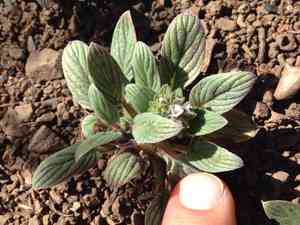
Quickly Identify Mt. diablo phacelia
1
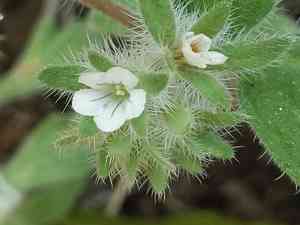
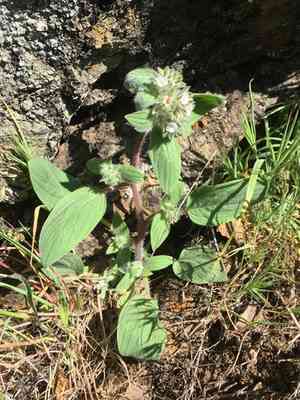
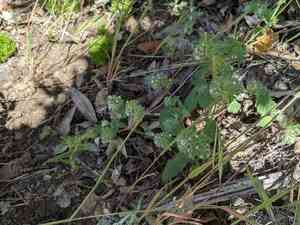
Phacelia phacelioides can be recognized by its lobed leaves and clusters of blue or violet flowers. The flowers often have five petals and are radial in symmetry.
Scientific Classification of Mt. diablo phacelia
Phylum
Vascular plants
Class
Dicotyledons
Order
Boraginales
Family
Waterleaf
Genus
Heliotrope
Species
Mt. diablo phacelia
Planting and Growing of Mt. diablo phacelia
Care Difficulty
Easy
Watering Schedule
Every 2 days
Sunlight Requirements
Partial sun
Sunshine Duration
4-8 hours
Ideal Temperature
60-70℉
Soil Type
Potting Mix, Peat Mix
Soil pH
6.5-7.5
Fertilizer Type
Balanced
Pruning Season
Spring, Summer
Pruning Area
Branches, Leaves
Pruning Frequency
2 times a year
Repotting Season
Spring
Pot Type
Plastic, Ceramic
 How to Water Mt. diablo phacelia?
When watering Phacelia phacelioides, ensure the soil is moistened to about 2 inches deep. This plant prefers well-drained soil, so be careful not to overdo it. Consistently hitting the right moisture level brings out the best in its blooms.
What are the symptoms of an underwatered Mt. diablo phacelia?
›
What should I do if my Mt. diablo phacelia is not getting enough water?
›
What are the symptoms of an overwatered Mt. diablo phacelia?
›
How to save an overwatered Mt. diablo phacelia?
›
 What Are the Sunlight Requirements for Mt. diablo phacelia?
Phacelia phacelioides ideally thrives in partial to full sun, translating to 4 to 6 hours of direct exposure daily. Proper light promotes healthier growth cycles and richer pigmentation on leaves.
What is the optimal light environment for Phacelia phacelioides?
›
How can I achieve the ideal light conditions for Phacelia phacelioides?
›
What benefits do ideal light conditions offer to Phacelia phacelioides?
›
 What Is the Ideal Temperature Range for Mt. diablo phacelia?
The ideal temperature range for Phacelia phacelioides falls between 60°F and 70°F. This range provides optimal conditions for growth and blooming by maintaining moderate warmth without risk of overheating or frost damage.
 What Soil is Best for Mt. diablo phacelia?
Phacelia phacelioides thrives in well-drained soil, which helps prevent root rot by ensuring excess water can flow away freely. This requirement is crucial for maintaining healthy roots, allowing them to access nutrients and air effectively. This plant benefits from a substrate rich in essential nutrients. By incorporating organic matter or compost, the soil becomes fertile enough to support the robust growth of Phacelia phacelioides, promoting vibrant blooms. Phacelia phacelioides prefers moderately dry conditions, meaning the soil should not retain too much moisture. This ensures that the plant doesn't suffer from waterlogged conditions, which can lead to weak growth or disease.
 How to Fertilize Mt. diablo phacelia?
Phacelia phacelioides thrives with a balanced nutrient supply. For liquid fertilizers, use a diluted mix at a strength of 1/4 of the recommended dose per gallon of water to avoid nutrient burn. For slow-release fertilizers, use approximately 1 ounce per square foot, applied evenly around the plant's base. This approach ensures the plant receives a steady nutrient supply without the risk of over-fertilization.
 How to Prune Mt. diablo phacelia?
Begin by examining the plant and identifying any old or dead stems that should be removed. These will often appear discolored or dry. Use clean, sharp pruners to make cuts close to the base, removing any impediments to new growth. Next, focus on shaping the plant for aesthetic appeal. Trim back overgrown or uneven sections to maintain a balanced and pleasing appearance. This not only enhances its visual appeal but also helps maintain structural integrity. For healthier and more abundant blooms, prune the plant lightly just above a node or leaf joint. This encourages branching and more blossoms. With careful pruning, Phacelia phacelioides can achieve a fuller, more vibrant display.
More About Pruning Techniques→
 How to Propagate Mt. diablo phacelia plant?
1
Start by filling seed trays with a well-draining potting mix. Sow the seeds on the surface and lightly cover them with soil. Ensure even spacing to promote healthy growth and limit competition for resources.
2
Gently spray the soil surface with water after sowing to provide adequate moisture. Cover the trays with a humid dome or plastic wrap to retain humidity. Keep the soil consistently moist but not waterlogged to prevent mold.
3
Place the trays in a warm, bright location out of direct sunlight. Check daily for signs of germination, which can take one to several weeks. Remove the humid dome gradually once seedlings appear to acclimate them to regular growing conditions.
 How to Repot Mt. diablo phacelia plant?
1
Phacelia phacelioides should be repotted when roots start emerging from the drainage holes, or the plant has outgrown its current pot size. Spring and autumn are the ideal seasons for this task as the plant is in active growth, ensuring it can recover swiftly from any root disturbance.
2
Select a pot that is 1-2 inches larger in diameter than the current one to give roots ample space to grow. Opt for pots with drainage holes to prevent waterlog, which might otherwise lead the roots to rot. The material can be clay or plastic, depending on preference; clay is breathable, and plastic retains moisture better.
3
Use a well-draining potting mix comprised of peat moss, perlite, and sand. This mix allows for excellent aeration and prevents waterlogging while retaining essential moisture and nutrients. Its light and fluffy texture provide an ideal setting for root expansion and plant health.
Learn More About Mt. diablo phacelia Diseases
Anthracnose
Bacterial Leaf Spot
Bacterial Wilt
Chemical Injury
Damping-off
Downy Mildew
Drought Stress
Fusarium Wilt
Gray Mold
Leaf Curl
Leaf Spot
Mosaic
Nutrient Deficiency
Nutrient Toxicity
Powdery Mildew
Root Rot
Root-knot Nematode
Rusts
Sooty Mold
Spider Mites
Temperature Stress
Thrips Damage
White Mold



