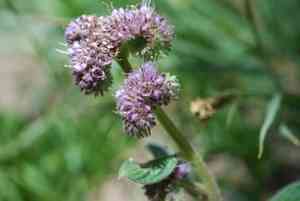
Changeable phacelia (Phacelia mutabilis)
Also known as: Phacelia
Changeable phacelia (Phacelia mutabilis) is recognizable by its distinctive, bell-shaped flowers that shift in hue from white to blue or purple as they age. This species is often found in disturbed areas such as roadsides, fields, and slopes, thriving in open, well-drained soils. The plant has pinnately divided leaves with a somewhat hairy texture and exhibits a branching, sprawling growth pattern. It flourishes under full sun and can adapt to partial shade, making it a resilient and attractive addition to its natural habitat.
In This Article
Attributes of Changeable phacelia
Lifespan
Annual
Plant Type
Herb
Plant Height
0.3 - 0.6 meters
Spread
0.1 - 0.2 meters
Leaf Color
Green
Flower Size
1 - 2 centimeters
Flower Color
Purple to blue
Images of Changeable phacelia
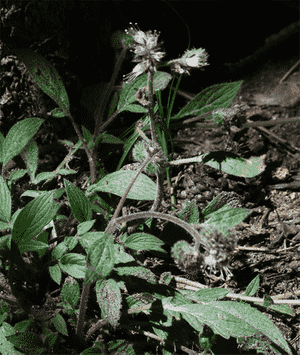
Quickly Identify Changeable phacelia
1
Phacelia mutabilis can be identified by its hairy leaves, purple to blue funnel-shaped flowers, and the branching pattern of its stems. Its flowers are typically arranged in a scorpioid cyme characteristic of the Boraginaceae family.
Scientific Classification of Changeable phacelia
Phylum
Vascular plants
Class
Dicotyledons
Order
Boraginales
Family
Waterleaf
Genus
Heliotrope
Species
Changeable phacelia
Planting and Growing of Changeable phacelia
Care Difficulty
Easy
Watering Schedule
Every 3 days
Sunlight Requirements
Partial sun
Sunshine Duration
4-8 hours
Ideal Temperature
60-75℉
Soil Type
Potting Mix, Peat Mix
Soil pH
6.5-7.5
Fertilizer Type
Balanced
Pruning Season
Spring, Summer
Pruning Area
Branches, Leaves
Pruning Frequency
2 times a year
Repotting Season
Spring
Pot Type
Plastic, Terracotta
 How to Water Changeable phacelia?
Phacelia mutabilis requires moderate watering, ensuring the soil remains consistently damp but not waterlogged. The ideal approach is to water the plant until you see moisture seeping out of the drainage holes. Generally, 300 ml per watering session should be adequate for a healthy moisture balance.
What are the symptoms of an underwatered Changeable phacelia?
›
What should I do if my Changeable phacelia is not getting enough water?
›
What are the symptoms of an overwatered Changeable phacelia?
›
How to save an overwatered Changeable phacelia?
›
 What Are the Sunlight Requirements for Changeable phacelia?
Phacelia mutabilis benefits from partial sun exposure. Ensuring proper light conditions encourages robust growth, proper nutrient synthesis, and enhanced flowering, ultimately leading to a healthier plant.
How much light does Phacelia mutabilis need daily?
›
What are optimal positioning strategies for Phacelia mutabilis?
›
What benefits does proper lighting offer this plant?
›
 What Is the Ideal Temperature Range for Changeable phacelia?
For optimal growth, Phacelia mutabilis thrives in conditions where temperatures range between 60°F and 75°F. This range is conducive to its metabolic activities, promoting healthy foliage and consistent flowering patterns. A stable environment within this temperature bracket ensures robust stress resistance and vitality.
 What Soil is Best for Changeable phacelia?
Phacelia mutabilis thrives in well-drained soils where excess water doesn't linger. Excellent drainage prevents root rot, allowing roots to access air and nutrients efficiently. Optimal growth occurs in nutrient-rich soils, promoting vigorous flowering. High organic content ensures continuous nutrient supply, supporting robust development. An aerated soil structure is crucial for Phacelia mutabilis as it promotes root respiration. Well-aerated soil allows roots to absorb water and minerals more effectively.
 How to Fertilize Changeable phacelia?
Phacelia mutabilis requires a balanced approach to fertilization. Use a balanced liquid fertilizer diluted to half the recommended strength to avoid over-fertilization. Apply around 50-60 ml per plant base. Regular yet moderate feeding will ensure healthy growth without risking nutrient burn.
 How to Prune Changeable phacelia?
Begin by inspecting Phacelia mutabilis for any dead, damaged, or diseased stems. Use clean, sharp scissors or pruning shears to remove these parts first. Next, shape the plant by cutting back overgrown branches, making the cuts just above a leaf node to encourage healthy growth. It's important to prune lightly if you want the plant to keep blooming through the active seasons. To prolong blooming, regularly deadhead spent flowers. This involves cutting off the faded blooms right below the spent flower head. This practice redirects energy back to producing new flowers, keeping the plant vibrant and full of blossoms.
More About Pruning Techniques→
 How to Propagate Changeable phacelia plant?
1
Begin by filling the seed tray with a well-draining seed starting mix. Moisten the soil lightly and scatter seeds evenly on the surface. Cover them with a thin layer of soil and mist gently.
2
Select healthy stems for cuttings, ideally taking them from the plant's new growth. Use pruning shears to make a clean cut just below a node, approximately 4 to 6 inches long.
3
Dip the cut end of the cutting into rooting hormone to encourage root development. Insert it into a pot filled with a sterile potting mix, and keep it in a warm, humid environment.
 How to Repot Changeable phacelia plant?
1
Phacelia mutabilis needs repotting when you notice roots emerging from the drainage holes or its growth has noticeably stalled, indicating it's root-bound. These signs typically appear as the growing season approaches, especially noticeable in spring.
2
Choose a pot that is slightly larger than the current one, with good drainage holes. This helps prevent waterlogging, which can lead to root rot, ensuring healthier plant growth.
3
Opt for a well-draining potting mix rich in organic matter. This prevents water retention, promotes root health, and provides nutrients essential for robust plant growth.



