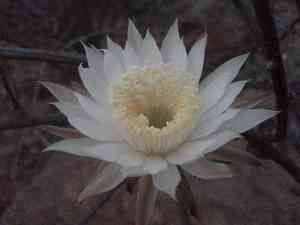
Gearstem cactus (Peniocereus striatus)
Also known as: Striped Peniocereus, Striped Cereus
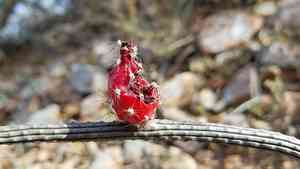
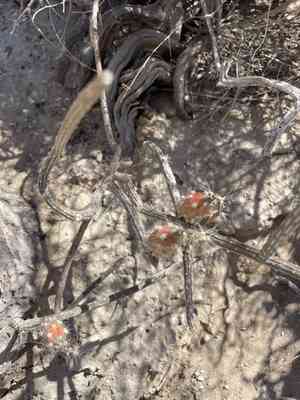
The cactus you're referring to is likely the Gearstem cactus. This slender cactus features tall, ribbed, vine-like stems and thrives in arid desert regions. It produces nocturnal white flowers that emit a sweet scent to attract pollinators, though these blooms are rare. When pollinated, the cactus develops red fruit. A notable adaptation is its large subterranean tuber, which aids in water storage in its harsh environment.
In This Article
Attributes of Gearstem cactus
Lifespan
Perennial
Plant Type
Succulent
Plant Height
1-3 meters
Spread
0.5-1 meter
Leaf Color
Leafless (stem is green with white striations)
Flower Size
10-15 centimeters
Flower Color
White or pale pink
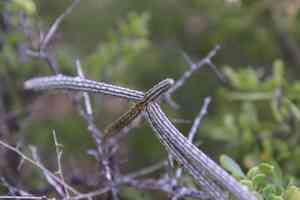
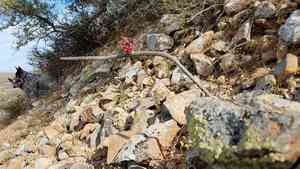
Images of Gearstem cactus
Quickly Identify Gearstem cactus
1
Look for thin, ribbed stems that are usually green with white striations. The flowers are large, fragrant, and open at night, displaying white or pale pink petals.
Scientific Classification of Gearstem cactus
Phylum
Vascular plants
Class
Dicotyledons
Order
Caryophyllales
Family
Cactuses
Genus
Queen of the night
Species
Gearstem cactus
Planting and Growing of Gearstem cactus
Care Difficulty
Hard
Watering Schedule
Every 2 days
Sunlight Requirements
Full sun
Sunshine Duration
4-8 hours
Ideal Temperature
65-85℉
Soil Type
Potting Mix, Peat Mix
Soil pH
6.5-7.5
Fertilizer Type
Balanced
Pruning Season
Spring, Summer
Pruning Area
Branches, Leaves
Pruning Frequency
2 times a year
Repotting Season
Spring
Pot Type
Plastic, Ceramic
 How to Water Gearstem cactus?
The Peniocereus striatus requires a moderate amount of water, around 100 ml per watering session. It prefers its soil to be completely dry between waterings. Ensure that the water is evenly distributed and the soil is moist but not saturated. Too much moisture can lead to root rot, so it's crucial not to overwater.
What are the symptoms of an underwatered Gearstem cactus?
›
What should I do if my Gearstem cactus is not getting enough water?
›
What are the symptoms of an overwatered Gearstem cactus?
›
How to save an overwatered Gearstem cactus?
›
 What Are the Sunlight Requirements for Gearstem cactus?
Peniocereus striatus prefers full to partial sun, benefiting significantly when positioned under the sun for about 5 to 8 hours daily. Ideal lighting enhances its health, leading to robust growth and an increase in flowering potential, providing a stronger, more vibrant plant.
How much sunlight does Peniocereus striatus need daily?
›
Where should I place my Peniocereus striatus for optimal sunlight?
›
What impact does optimal lighting have on Peniocereus striatus?
›
 What Is the Ideal Temperature Range for Gearstem cactus?
The optimal temperature range for growing Peniocereus striatus is between 65°F and 85°F. Within this range, the plant can maintain healthy growth and development. It aligns with its native environment, providing a warm and stable climate. Consistently maintaining this temperature range helps to mimic its natural habitat, ensuring the best chances for successful growth and flowering.
 What Soil is Best for Gearstem cactus?
Peniocereus striatus thrives in well-draining soil to prevent root rot. This cactus is accustomed to desert environments where quick water drainage is essential. Using a soil mix with coarse sand improves aeration and mimics its natural habitat. This facilitates healthy root growth and helps the cactus retain its vibrant health. Peniocereus striatus prefers nutrient-poor soils, as high nutrient levels can lead to excessive growth and weaken the plant. In its desert home, this cactus adapts to sparse conditions, making it vital to avoid overly rich soils. Using nutrient-poor substrates ensures the plant maintains its distinctive form. A pH level between 6.5 and 7.5 supports the optimal uptake of essential nutrients by Peniocereus striatus. This range matches its natural growth conditions, promoting healthy physiological processes. Monitoring and adjusting soil pH can significantly enhance the plant's growth efficiency.
 How to Fertilize Gearstem cactus?
Peniocereus striatus is a unique cactus that requires careful attention to fertilization. It is best to use a balanced liquid cactus fertilizer, diluted to half the recommended strength. Generally, about 1/4 teaspoon per gallon of water during growing season suffices.
 How to Prune Gearstem cactus?
Start the pruning process in the spring or early summer when the plant begins its active growth phase. Use sterilized, sharp pruning shears to prevent infections. Begin by removing any dead or damaged stems to encourage healthy growth. Focus on shaping the plant to maintain its natural form; avoid cutting healthy stems excessively to ensure no stress is put on the plant.
More About Pruning Techniques→
 How to Propagate Gearstem cactus plant?
1
Collect seeds from mature Peniocereus striatus fruits and gently clean them. Allow seeds to dry for a week at room temperature, which enhances germination rates when they are eventually planted.
2
Select a healthy branch from the plant, and cut a section about 10 cm long using a sterilized sharp knife. Remove any flowers or buds to focus the plant's energy on root development.
3
Choose a robust rootstock and make a diagonal cut on both the stock and scion. Align them carefully and bind with grafting tape, ensuring no gaps are present that could hinder the growth of the graft.
 How to Repot Gearstem cactus plant?
1
Peniocereus striatus signals it's time for a new pot when its roots become visible through the drainage holes or if you notice the growth has slowed despite good care. Often, the plant will simply outgrow its container, becoming top-heavy. Spring to early summer is the ideal time, as this coincides with its active growth period, allowing it to recover quickly.
2
Opt for a pot slightly larger than the current one. Ensure it has sufficient drainage holes to prevent waterlogging, which can lead to root rot. A breathable, unglazed terracotta pot can be beneficial as it allows excess moisture to evaporate, reducing the risk of overwatering.
3
Select a well-draining cactus mix, which replicates its natural environment. Such soil ensures proper air circulation to the roots and prevents the plant from sitting in water, reducing the likelihood of rot and promoting healthier growth.
Learn More About Gearstem cactus Diseases
Anthracnose
Bacterial Leaf Spot
Bacterial Soft Rot
Bacterial Wilt
Black Spot
Chemical Injury
Crown Gall
Damping-off
Drought Stress
Fusarium Wilt
Gray Mold
Leaf Spot
Mosaic
Nutrient Deficiency
Nutrient Toxicity
Powdery Mildew
Root Rot
Root-knot Nematode
Rusts
Sooty Mold
Spider Mites
Temperature Stress
Thrips Damage
White Mold



