Vasey's grass (Paspalum urvillei)
Also known as: Urville's Paspalum, Vasey Grass
Vasey's grass (Paspalum urvillei), originally from South America, has also spread to parts of North America and is recognized as an invasive species in Hawaii. It commonly grows in moist, poorly-drained soils and is sometimes used as a food source by small mammals and birds.
In This Article
Attributes of Vasey's grass
Lifespan
Perennial
Plant Type
Herb
Plant Height
2 m
Spread
N/A (grasses do not form crowns like trees or shrubs)
Leaf Color
Green
Flower Size
8 cm to 15 cm
Flower Color
Yellow Green Purple
Images of Vasey's grass
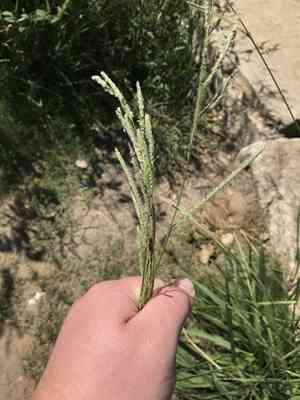
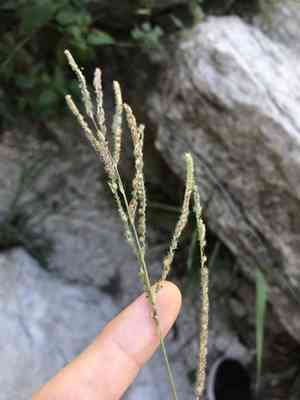
Quickly Identify Vasey's grass
1
Paspalum urvillei can be identified by its tall, erect stems which often exceed 1.5 meters in height. The leaves are long and narrow with a rich green color. Flowering can be identified by its inflorescence, which is composed of several racemes that are positioned alternately along the flowering stem. These racemes hold numerous spikelets arranged in a distinctive V-shape.
Scientific Classification of Vasey's grass
Phylum
Vascular plants
Class
Monocotyledons
Order
Poales
Family
Grass
Genus
Paspalum
Species
Vasey's grass
Planting and Growing of Vasey's grass
Care Difficulty
Easy
Watering Schedule
Every 8 days
Sunlight Requirements
Full sun
Sunshine Duration
4-6 hours
Ideal Temperature
68-86℉
Soil Type
Potting Mix, Peat Mix
Soil pH
5.5-7.5
Fertilizer Type
Balanced
Pruning Season
Spring, Summer
Pruning Area
Branches, Leaves
Pruning Frequency
2 times a year
Repotting Season
Spring
Pot Type
Plastic, Ceramic
 How to Water Vasey's grass?
Paspalum urvillei, commonly known as Vasey grass, requires a careful balance in watering. The goal is to provide about 500 ml of water, enough to moisten the soil to a depth of 6-8 inches. This allows the roots to absorb moisture without being waterlogged. The soil should feel damp but not soggy after watering.
What are the symptoms of an underwatered Vasey's grass?
›
What should I do if my Vasey's grass is not getting enough water?
›
What are the symptoms of an overwatered Vasey's grass?
›
How to save an overwatered Vasey's grass?
›
 What Are the Sunlight Requirements for Vasey's grass?
Paspalum urvillei thrives with partial to full sun exposure, ideally 6 to 8 hours daily. This optimal light range maximizes photosynthesis, promotes healthy leaf color, and encourages robust growth.
More About Sunlight Requirements Techniques→
What is the best light condition for Paspalum urvillei?
›
How to provide ideal lighting for Paspalum urvillei?
›
What are the benefits of ideal lighting for Paspalum urvillei?
›
 What Is the Ideal Temperature Range for Vasey's grass?
The ideal temperature range for Paspalum urvillei is between 68°F and 86°F. This range ensures optimal growth and development, as these temperatures support photosynthesis and nutrient uptake efficiently. It's crucial to maintain this range to allow the plant to flourish, particularly during its growing season. Maintaining consistent temperatures within this range will promote robust and healthy plant growth.
 What Soil is Best for Vasey's grass?
Paspalum urvillei thrives in nutrient-rich soil, ensuring robust growth and vibrant foliage. Adequate nutrients support the plant's development, enhancing its resilience against pests and diseases. This plant prefers well-draining soil to prevent root rot. Good drainage helps remove excess water, keeping the roots healthy and allowing them to access oxygen effectively. Ensuring consistently moist soil is essential for optimal growth of Paspalum urvillei. Moisture aids in nutrient absorption and maintains cell structure, promoting vigorous growth and lush appearance.
 How to Fertilize Vasey's grass?
For Paspalum urvillei, use a balanced all-purpose fertilizer. Apply liquid fertilizer at a rate of approximately 1 tablespoon per gallon of water, or according to label instructions, every watering. Slow-release granular fertilizers should be applied at a rate of 1 pound per 100 square feet of planting area.
 How to Prune Vasey's grass?
Use a sharp pair of garden shears or hedge trimmers to ensure clean cuts which promote faster healing and reduce stress on the plant. Trim Paspalum urvillei to about half its height. Focus on evenly reducing the height to maintain its lush appearance and control its spread. In early spring, clear out any dead or brown foliage to give way for new, healthy growth. This ensures that sunlight and nutrients reach the young shoots efficiently.
 How to Propagate Vasey's grass plant?
1
Begin by filling seed trays with a high-quality potting mix. Sow the seeds on the surface and cover lightly with soil. Maintain a warm and moist environment to facilitate germination, usually around 20-25°C. The seeds should germinate within 2-3 weeks.
2
Select clumps that are healthy and robust. Using a sharp knife or spade, carefully slice through the root ball to create smaller sections. Each section should have several shoots and a healthy root system. Replant immediately in nutrient-rich soil.
3
Once the seedlings have a few leaves and are sturdy enough to handle, transplant them into individual pots or a prepared garden bed. Ensure that the soil is well-drained but remains evenly moist to encourage growth.
 How to Repot Vasey's grass plant?
1
Paspalum urvillei needs repotting when its roots visibly outgrow the current pot or it becomes root-bound, making the plant water-logged. Repot during periods where active growth, like Spring or Summer, ensures a quicker recovery.
2
Opt for a pot that is 2-3 inches larger in diameter than the current one, with ample drainage holes. This ensures proper growth space and helps prevent water accumulation that can lead to root rot, crucial for a plant that thrives in well-drained conditions.
3
Select a loamy, well-draining soil mix with a balanced pH to enhance root aeration and prevent stagnation around the roots, giving Paspalum urvillei the best chance at vigorous growth and flourishing foliage.



