Witchgrass (Panicum capillare)
Also known as: Annual Witchgrass, Old Witch Grass, Panicgrass, Tumble Panic, Witches Hair
Witchgrass (Panicum capillare) disperses its seeds in a distinctive manner: the entire plant detaches from its base and rolls across the ground like a tumbleweed. As it tumbles, seeds are scattered over a broad area. Additionally, being a "panic grass," it is efficient at absorbing CO2, which accelerates its growth and increases its productivity compared to other plants.
In This Article
Attributes of Witchgrass
Lifespan
Annual, Biennial
Plant Type
Herb
Plant Height
15 cm to 1.02 m
Spread
30 cm to 60 cm
Leaf Color
Green Yellow
Flower Size
2 mm to 3 mm
Flower Color
Green Brown White Red
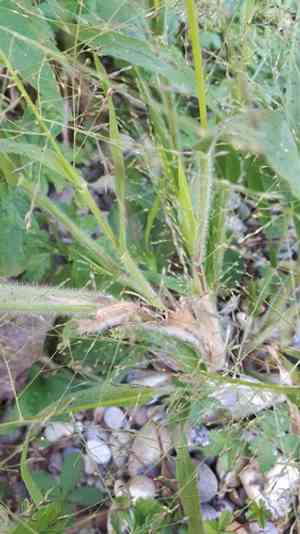
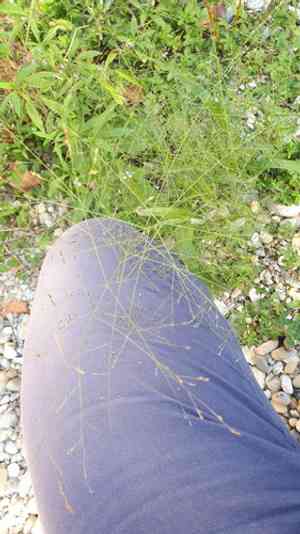
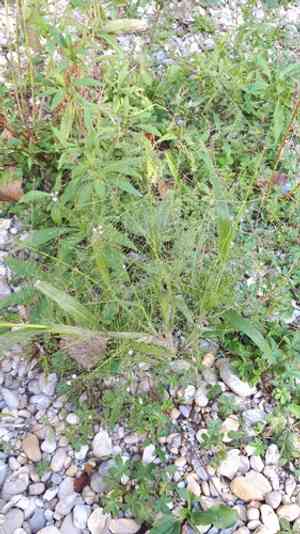
Images of Witchgrass

Quickly Identify Witchgrass
1
To identify Panicum capillare, look for its distinctive fine, hair-like leaves and its tendency to form a dense, bushy growth. The inflorescence is large and open, with delicate, long-haired spikelets.
Scientific Classification of Witchgrass
Phylum
Vascular plants
Class
Monocotyledons
Order
Poales
Family
Grass
Genus
Panicgrasses
Species
Witchgrass
Planting and Growing of Witchgrass
Care Difficulty
Easy
Watering Schedule
Every 2 days
Sunlight Requirements
Full sun
Sunshine Duration
6-10 hours
Ideal Temperature
65-75℉
Soil Type
Potting Mix, Peat Mix
Soil pH
6.5-7.5
Fertilizer Type
Balanced
Pruning Season
Spring, Summer
Pruning Area
Branches, Leaves
Pruning Frequency
2 times a year
Repotting Season
Spring
Pot Type
Plastic, Ceramic
 How to Water Witchgrass?
For Panicum capillare, the amount of water should ensure that the soil is evenly moist but not soggy. Aim for approximately 250 ml per session. Watering should penetrate deeply to allow the roots to access hydration while preventing waterlogging, which can cause root rot.
What are the symptoms of an underwatered Witchgrass?
›
What should I do if my Witchgrass is not getting enough water?
›
What are the symptoms of an overwatered Witchgrass?
›
How to save an overwatered Witchgrass?
›
 What Are the Sunlight Requirements for Witchgrass?
Panicum capillare prefers full sun to partial sun, ideally thriving with 4 to 6 hours of exposure. This range supports robust growth, seed development, and ecological interactions inherent to this grass species.
What is the best light exposure for Panicum capillare?
›
How can you achieve the ideal light conditions for witchgrass?
›
What are the benefits of providing ideal lighting for this plant?
›
 What Is the Ideal Temperature Range for Witchgrass?
The ideal temperature range for Panicum capillare is 65°F to 75°F. Within this range, the plant is able to photosynthesize efficiently, grow robustly, and exhibit its best aesthetic appearance. Providing conditions within this temperature band ensures optimal metabolic function and reduces the risk of temperature-induced stress.
 What Soil is Best for Witchgrass?
Panicum capillare thrives in soil that offers good drainage. This prevents waterlogging, which can lead to root rot, ensuring healthy root systems and optimal growth. Nutrient-rich soil ensures Panicum capillare receives the necessary minerals and vitamins for growth. Enriched soil promotes vibrant leaf color and robust plant development. Soil with moderate moisture retention ensures that Panicum capillare is neither too dry nor too wet, sustaining its water needs without drowning its roots.
 How to Fertilize Witchgrass?
Panicum capillare generally requires a modest amount of fertilizer to thrive. For liquid fertilizers, mix at a diluted concentration of 1:20 with water. Liquid fertilizer should be applied evenly to avoid any scorching. For solid fertilizers, use a granular type that releases nutrients slowly and ensure it's worked into the soil gently to prevent root damage.
 How to Prune Witchgrass?
Begin by removing any dead or diseased blades of the grass. These portions can hinder growth and become breeding grounds for pests and diseases. Cut them back to the base, ensuring you do not damage new growth. Check for sections where the grass is extremely dense. Carefully thin out these areas by selectively cutting a few blades at varying heights to promote air circulation and sunlight penetration, which will encourage healthier growth. If your Panicum capillare is part of a landscape design, consider shaping it to fit the aesthetic. Trim to create gentle slopes or flat tops, ensuring a consistent height for a neat and orderly appearance.
 How to Propagate Witchgrass plant?
1
Fill the seed tray with a well-draining potting mix, ensuring it is evenly moist but not waterlogged. This prepares a suitable environment for seed sowing.
2
Scatter Panicum capillare seeds thinly and evenly across the surface of the soil, lightly covering them with a thin layer of soil to provide necessary protection during germination.
3
Use the misting bottle to gently moisten the soil surface, providing enough water to maintain moisture without washing away the seeds, which is crucial for seed germination.
 How to Repot Witchgrass plant?
1
Panicum capillare should be repotted when you notice significant root-bound symptoms. This includes seeing roots protruding from the drainage holes or the plant becoming top-heavy and difficult to water. These are signs that the plant has outgrown its current pot.
2
Select a pot that is one size larger than the current one, with good drainage holes. A slightly larger pot ensures a balance between allowing new root growth and avoiding excess soil that can lead to waterlogging. Terra cotta pots are excellent as they allow moisture to evaporate, preventing overwatering issues.
3
Opt for a well-draining sandy loam to ensure Panicum capillare receives adequate drainage. This type of soil prevents water from sitting around the roots, reducing the risk of rot and promoting healthy root development, crucial for robust plant health.


